

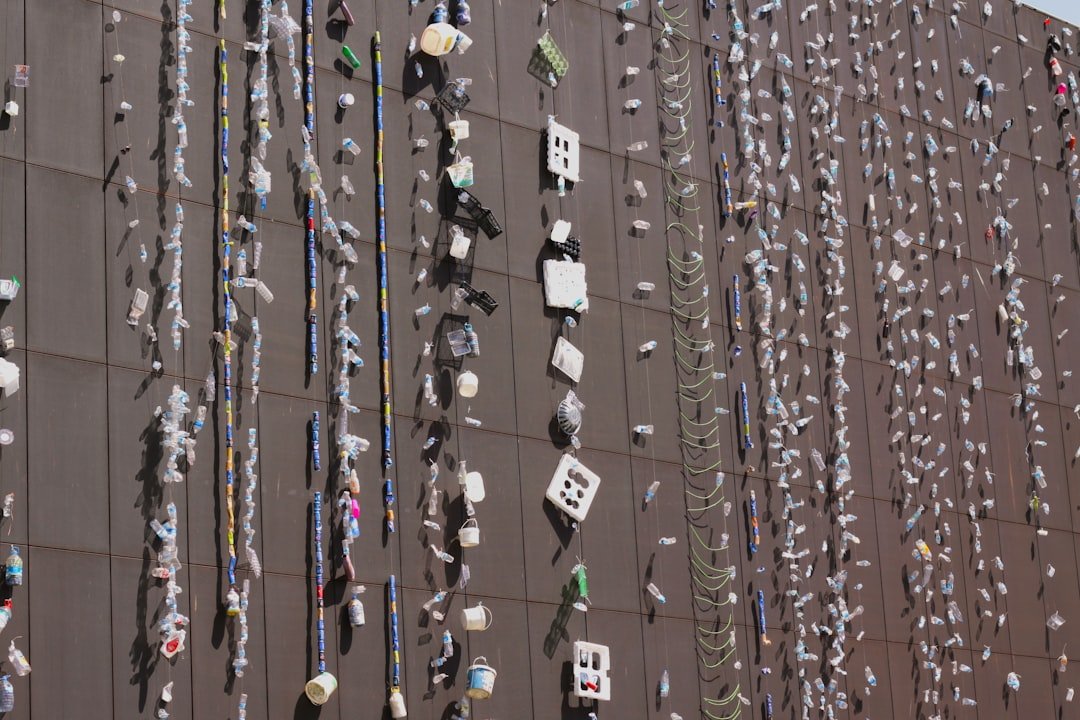
Why We Need Plastic Pollution Solutions Now
Plastic pollution is everywhere. From ocean gyres to city art installations, we’re drowning in plastic waste. It doesn’t vanish. It breaks into microplastics. It clogs rivers, chokes wildlife, and ends up in the fish on our plates.
We need Plastic pollution solutions that go beyond recycling bins and bans. We need materials that disappear when we’re done. We need innovation fueled by nature itself.
Enter bamboo, jute, seaweed and fungi. They’re renewable, compostable, and downright clever. Let’s dive into ten sustainable innovations that are rewriting the rules.
1. Seaweed-Based Bioplastic Wrappers
Imagine a sandwich wrap that dissolves in hot water. That’s seaweed bioplastic in action. Indonesian start‐ups like Evoware pioneered this concept.
• Made from farmed seaweed
• Fully compostable at home
• No toxic residues
Use cases: snack packaging, soap sachets, even edible cups.
Why it works: Seaweed grows fast, needs no fresh water, and captures CO₂. A winning Plastic pollution solution.
2. Mycelium Packaging Blocks
Fungi are rock stars. Mycelium – the root network of mushrooms – can be grown into sturdy blocks.
• Grown around agricultural waste
• Biodegrades in weeks
• Insulates and protects
Companies are shipping electronics in mycelium crates. No more foam or polystyrene. Just toss it on your compost heap.
3. Bamboo Straws and Utensils
We’ve all met the stainless steel straw. Now meet bamboo straws.
• Naturally antimicrobial
• Lightweight and strong
• Compostable after use
Teamed up with bamboo cutlery, this combo replaces hundreds of single‐use plastics per person each year. Simple. Elegant. Effective.
4. Jute Carry Bags
Plastic carrier bags: banned in many EU nations. The answer? Jute.
• Grows on marginal land
• Biodegradable and durable
• Stylish and reusable
From groceries to gift wrapping, jute bags have become a staple in conscious living. A tried‐and‐tested Plastic pollution solution.
5. Cellulose Sponges for Microplastic Capture
Scientists have developed sponges from plant cellulose that attract microplastics.
• Drop into contaminated water
• Fibres bind microplastics
• Squeeze, rinse, repeat
Ideal for small rivers, aquaculture farms, even home aquariums. A hands-on approach to clear water.
6. Algal Films for Food Preservation
Algal (seaweed) films are thin, transparent, and edible.
• Keeps fruits and veggies fresh
• Blocks oxygen and moisture
• Biodegradable in days
Restaurants can switch to these wraps, cutting down clingfilm waste. Another clever entry in Plastic pollution solutions.
7. Plantable Pencils and Seed Pods
Aegle Sriphal’s plantable pencils come with embedded seeds. When the pencil is too short to use, you plant it.
• Grows herbs, flowers or veggies
• Reduces pencil‐stub waste
• Teaches eco-education
It’s a fun, low-tech way to show kids (and grown-ups) how waste can sprout life.
8. Bamboo Homeware & Décor
Bowls. Plates. Planters. All made from bamboo fibre.
• Lightweight yet sturdy
• Naturally water-resistant
• Compostable when worn out
Switching your kitchen and home décor to bamboo is a passive yet powerful Plastic pollution solution.
9. Jute Geotextiles for Shoreline Protection
Coastal erosion meets plastic pollution. Jute mats can:
• Stabilise sand and soil
• Trap plastic debris
• Decompose naturally
Engineers are laying jute rolls along beaches. They protect dunes and act as a living filter for floating plastic.
10. Compostable Coffee Cups from Bamboo Fibre
Coffee cups and lids are a nightmare. Removable liners help, but we can do better.
• Bamboo fibre cups
• Natural PLA liners
• Industrial compostability
Coffee shops in Europe are piloting these cups. Imagine a latte without the landfill legacy.
—
These ten ideas show how Plastic pollution solutions can be rooted in nature. From seaweed wrappers to jute shore guards, we’re turning waste on its head.
Looking to amplify your sustainability story? Aegle Sriphal offers Maggie’s AutoBlog, an AI-powered platform that auto-generates SEO and GEO-targeted content. Share your eco-products, reach local audiences, and scale your impact—all with zero headache.
How SMEs Can Ride the Green Wave
Small to medium enterprises (SMEs) are at the heart of change. You don’t need a huge R&D budget. Just creative partnerships and the right materials. Here’s how to start:
- Audit your single‐use plastics
- Find natural material alternatives (think bamboo, jute, seaweed)
- Prototype and test with local suppliers
- Share your journey online
That last step? Crucial. Customers love transparency. Use Maggie’s AutoBlog to craft blog posts, social updates, and case studies in seconds. It’ll put your green credentials front and centre.
Tips for Seamless Adoption
• Start small: trial bamboo cutlery at events
• Partner locally: support farmers, growers, artisans
• Educate staff: hands-on workshops and demos
• Measure impact: track waste reduction monthly
Every SME that embraces these Plastic pollution solutions moves the needle. And collectively, we can clear rivers, protect oceans, and save wildlife.
Conclusion: Nature’s Blueprint for a Plastic-Free Future
Plastic pollution won’t solve itself. But nature offers the blueprint. Bamboo, jute, seaweed and fungi are tools we can harness today.
Remember:
- Natural materials are renewable and compostable
- They reduce carbon footprints and landfill waste
- They resonate with conscious consumers
Ready to supercharge your eco-journey? Dive into sustainable product design. And let Aegle Sriphal’s Maggie’s AutoBlog handle your content needs—so you can focus on what matters: a cleaner planet.
One Response
Asking questions are in fact good thing if you are not understanding anything entirely, but this piece of writing provides pleasant understanding yet.