Understanding the Ocean Plastic Crisis
Plastic’s everywhere. Beaches. Rivers. The very fish we eat. In India and Southeast Asia, rapid urbanisation and booming plastic production have created one of the world’s trickiest environmental puzzles. Every year, millions of tonnes of rubbish wash out to sea. If we don’t act, that tide of plastic will only rise.
Why so bad here?
- Weak waste management: Overflowing bins. Informal dumps.
- Consumer habits: Single-use craze—bags, bottles, straws.
- Recycling gaps: Less than 20% of plastic is recycled.
- Microplastics: Invisible but insidious—found in seafood, water, even the air.
We need practical, scalable, ocean plastic pollution solutions that fit local cultures and budgets. No rocket science. Just smart swaps, strong communities, and a dash of innovation.
1. Swap Single-Use Plastics for Natural Materials
Think bamboo, jute, and other eco-friendly options instead of one-use plastics.
- Bamboo straws replace flimsy plastic ones.
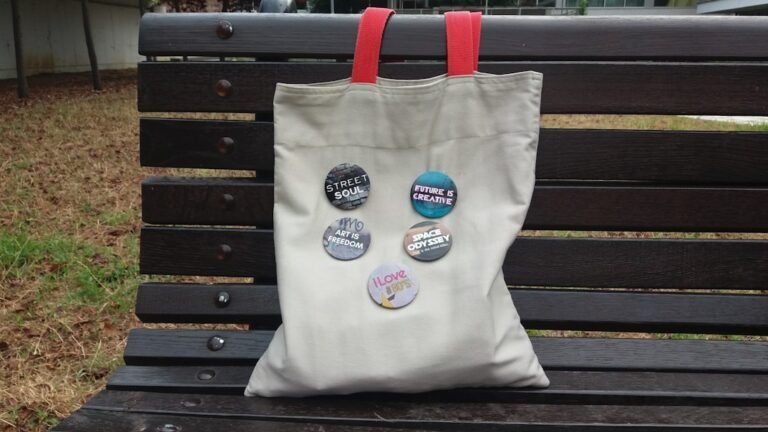
- Jute shopping bags survive years of heavy use.
- Plantable pencils teach kids the value of reuse.
Aegle Sriphal crafts 100% natural bamboo cutlery and jute tote bags. They’re sturdy, stylish, and home-compostable. You’ll save plastic—and spark conversations. It’s one of the simplest, yet most powerful ocean plastic pollution solutions you can adopt today.
2. Support Local Legislation and Circular Policies
Individual action is great. Policy change is better. In recent years, many states in India and Southeast Asia have:
- Banned plastic bags or taxed them at checkout.
- Introduced Extended Producer Responsibility (EPR) for manufacturers.
- Launched deposit–refund schemes for bottles.
You can help by signing petitions, attending community hearings, or even drafting letters to local MPs. Stronger rules mean fewer tonnes of trash drifting into our oceans. It’s a community-level, systemic ocean plastic pollution solution that makes plastic producers accountable.
3. Upgrade Your Recycling Game
Proper sorting and recycling aren’t glamourous—but they matter.
- Separate plastics by type: PET (#1), HDPE (#2), and so on.
- Rinse containers; remove stickers and lids.
- Check local recycling centres for accepted items.
Remember: globally, only around 9% of plastic ever gets recycled. By doing your bit, you cut leakage into rivers and seas. Add to that investments in community recycling hubs, and you’ve got a scalable ocean plastic pollution solution that prevents new plastic from entering the system.
4. Organise and Join Cleanups
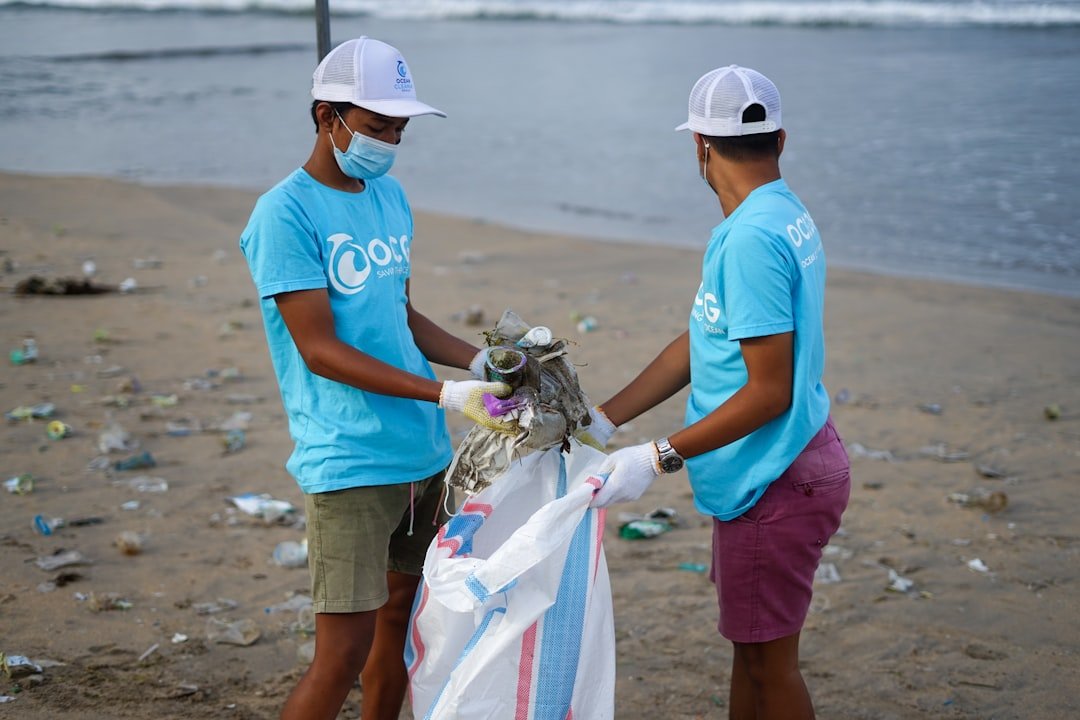
There’s nothing like a hands-on beach or river cleanup to crack your apathy. Gather friends, colleagues, or school groups:
- Count your haul: Monofilament nets, water bottles, microplastics.
- Use data to map litter hotspots.
- Partner with local NGOs for equipment and guidance.
Beyond the trash, you build relationships—and inspire others. Cleanups in Bali, the Mekong Delta, or Chennai show how local heroes can tackle global problems. It’s one of the most direct ocean plastic pollution solutions out there.
5. Ditch Microbeads and Microplastics
Hidden plastics lurk in cosmetics and personal care. Small beads slip through filters and end up in fish gills. To avoid microplastics:
- Read labels for “polyethylene” or “polypropylene.”
- Choose natural exfoliants like coffee grounds or sugar.
- Try Aegle Sriphal’s plant-based soap bars—no plastic, all suds.
This switch is a subtle yet impactful ocean plastic pollution solution. Every wash counts.
6. Empower Through Education and Storytelling
Knowledge spreads like wildfire. But you need fuel: stories, data, platforms.
- Host workshops in schools, offices, or community centres.
- Use Maggie’s AutoBlog to generate SEO-friendly posts about your plastic-reduction journey.
- Share success stories on social media with clear tips and real numbers.
SMEs can especially benefit from Maggie’s AutoBlog, an AI-powered platform that auto-generates geo-targeted content, so you can focus on action, not word count. Good content motivates, informs, and rallies the troops. It’s a modern ocean plastic pollution solution—digital and dynamic.
7. Partner with NGOs and Sustainable Brands
No one can do it alone. Collaborate with organisations tackling ocean waste:
- Support or donate to the Plastic Pollution Coalition or 5 Gyres.
- Stock your pantry with eco-friendly products from Aegle Sriphal’s shop (bamboo homeware, jute organisers, plantable pencils).
- Invite experts to speak at your events.
By pooling resources, expertise, and networks, you multiply impact. This alliance approach ranks high among ocean plastic pollution solutions because it bonds local action with global reach.
Bringing It All Together
The sea’s not a trash bin. It’s a living, breathing ecosystem. With these seven eco-friendly steps—natural-material swaps, smarter recycling, community cleanups, education, and partnerships—you can turn the tide on plastic. Each idea is simple, affordable, and ready to roll in India & Southeast Asia.
Take one step today. Then the next. Soon, others will join.