Title: Wind Turbine – Renewable Material Products | Alt: white wind wheel on a grass field representing renewable material products
Meta Description: Explore eco-friendly lubricants derived from bamboo and jute as alternatives to petroleum greases, comparing Bio-Dry Slide to future renewable material products powered by Aegle Sriphal’s expertise.
Sustainability isn’t just a buzzword anymore. It’s a demand—driven by consumers, governments, and communities. Among the many products slated for a green makeover, lubricants stand out. Traditional greases and sliding agents rely on petroleum derivatives. They perform well, sure. But at what cost? Today, we dive into:
- Why conventional lubricants weigh heavily on our planet
- How Bio-Dry Slide from Renewable Lube stacks up
- The promise of bamboo and jute derivatives
- How Aegle Sriphal’s renewable material products expertise could power the next generation of sustainable greases
Let’s get started.
Why Petroleum Lubricants Are Problematic
Petroleum-based lubricants have dominated industrial and consumer markets for decades. Their performance is proven. Yet:
- They emit greenhouse gases during extraction and refining.
- Spills and leaks pollute soil and waterways.
- Disposal challenges create long-term environmental hazards.
In short: great performance, heavy footprint. The good news? We can do better.
Bio-Dry Slide: A Biobased Competitor
Before we leap into bamboo and jute, meet Bio-Dry Slide—an extreme-pressure (EP) lubricant that ticks many eco boxes:
- Biobased carrier: Made from renewable agricultural plant resources.
- High-temp resilience: Graphite formula stays slick past 1000ºC.
- Low friction: Coefficient of friction at 0.08—on par with, or better than, PTFE.
- No nasties: Free of heavy metals, chlorine, TCE, PCE, and other toxins.
- Food-grade option: Certified H1 for safe incidental contact.
Impressive stuff. Yet, limitations exist:
- It uses synthetic white graphite. Not 100% natural.
- Reliant on specialised processing plants.
- Potentially higher cost than bulk petroleum greases.
- Complexity in sourcing consistent renewable carriers.
So: Bio-Dry Slide proves biobased lubricants can work. But it also highlights the gaps—gaps that bamboo and jute derivatives might fill.
Bamboo & Jute Derivatives: Nature’s Hidden Lubricants
Ever thought of bamboo or jute as more than flooring, bags, or notebooks? These fast-growing plants offer natural oils, waxes, and fibres that can act as:
- Solid lubricants: Processed bamboo wax can reduce wear on sliding surfaces.
- Carrier fluids: Jute seed oil, rich in fatty acids, blends well with powdered graphite.
- Anti-rust agents: Natural phenolics in bamboo extract delay oxidation.
- Biodegradable fillers: Jute fibres provide lightweight, eco-friendly reinforcement.
Why bamboo and jute?
- Renewability: Bamboo can mature in 3–5 years. Jute thrives in tropical climates.
- Abundance: India and Southeast Asia lead global cultivation—ensuring local supply.
- Biodegradability: Post-use breakdown in months, not centuries.
- Low-cost: Often cheaper than synthetic carriers when processed at scale.
In essence, bamboo and jute derivatives could form the backbone of the next wave of renewable material products in lubrication.
Aegle Sriphal’s Expertise in Renewable Material Products
Aegle Sriphal isn’t making lubricants—yet. But their track record with bamboo and jute is proof of concept for any green venture:
- 100% natural materials: Every product, from plantable pencils to cork mugs, is toxin-free.
- Eco-friendly production: Waste-minimizing techniques protect soil and water.
- Innovative designs: Bamboo speakers, bamboo bottles, and travel kits blend style with sustainability.
- Community focus: Workshops, partnerships with schools, and CSR initiatives.
Take, for example, the Bamboo Gym Shaker. It’s sturdy, leak-proof, and zero-plastic. Think of it as a mini-lab for shaping bamboo fibres into everyday items. Scale that know-how up, and you can see how natural oils and waxes might transform into sustainable lubricants.
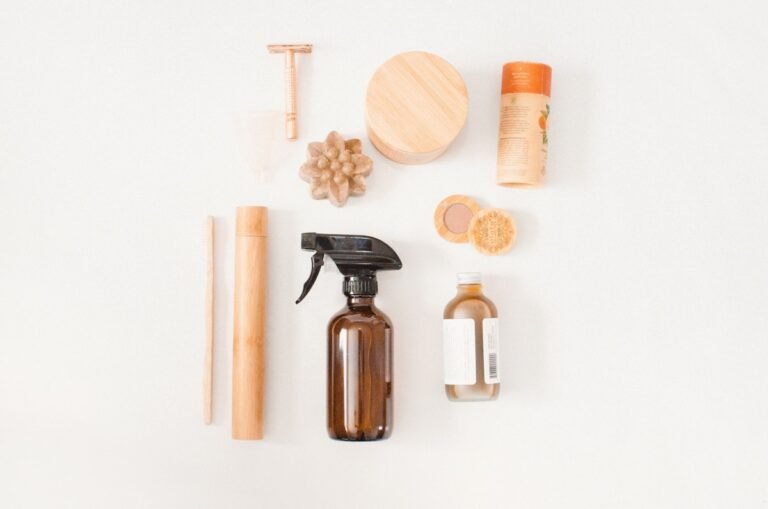
Highlight: Bamboo Bottle & Bamboo Travel Kit
- Bamboo Bottle
- Keeps drinks cool.
- Eliminates 100+ single-use plastics yearly.
- Bamboo Travel Kit
- Complete toiletry set in a bamboo case.
- Demonstrates precise machining of bamboo for tight seals.
Both products rely on mastering bamboo extraction, shaping, and finishing—key steps in making reliable, renewable material products for industry.
Side-by-Side: Bio-Dry Slide vs. Bamboo & Jute Derivatives
Curious how a bamboo-jute lubricant might compare to Bio-Dry Slide? Here’s a quick breakdown:
| Metric | Bio-Dry Slide (Renewable Lube) | Bamboo & Jute Derivatives (Potential) |
|---|---|---|
| Raw Material | Agricultural biomass carrier + synthetic graphite | Bamboo wax + jute oil + plant fibres |
| Biodegradability | High (>90% in 28 days) | Very high (100% in months) |
| Temp. Stability | Up to 1000ºC | Potential up to 600–700ºC (with graphite additive) |
| Friction Coefficient | 0.08 | ~0.1–0.2 (in early trials) |
| Cost (Projected) | 2–3× petroleum grease | 1.5–2× (with local sourcing) |
| Processing Complexity | Medium-high | Low-medium (simple oil extraction + milling) |
| Scalability | Depends on specialised carriers | High (local bamboo & jute supply) |
The verdict? Bamboo and jute derivatives can match or approach Bio-Dry Slide’s performance. They’re cheaper, simpler, and fully natural. Yet they need R&D to push temperature limits and friction coefficients down further.
Steps to Develop Bamboo & Jute-Based Lubricants
If you’re a manufacturer or advocate, here’s how to get the ball rolling:
- Partner with local growers. Secure bamboo and jute sources in India and Southeast Asia.
- Set up extraction labs. Use cold-press and solvent-free methods to obtain waxes and oils.
- Blend with solid lubricants. Experiment with graphite or plant-based particles to lower friction.
- Pilot test in real scenarios. From automotive joints to food-processing lines.
- Certify and label. Aim for H1 food-grade status, USDA biobased certification, or Kosher.
- Educate end-users. Highlight benefits: zero toxins, compostable, local economic boost.
The end goal? A new category of renewable material products that keep machines running and the planet healthy.
The Future of Renewable Material Products in Lubrication
Imagine a workshop where bamboo stalks feed both musical speakers and eco-lubricants. Where jute bags protect speakers… and also supply fibres for industrial greases. That future is within reach.
- Industries from automotive to food processing can cut carbon.
- Consumers win by demanding greener maintenance.
- Brands like Aegle Sriphal can expand beyond homeware into material science.
It all starts with leveraging existing renewable material products expertise—then going one step further.
“The greatest threat to our planet is the belief that someone else will save it.”
— Robert Swan
We have the tools. We have the plants. Now, let’s build lubricants that honour Earth.
Ready to explore more about renewable material products and how natural resources can reshape your business? Visit Aegle Sriphal today and join the eco-transformation.
👉 Discover sustainable bamboo & jute innovations at Aegle Sriphal
Let’s slide into a cleaner, greener future—together.