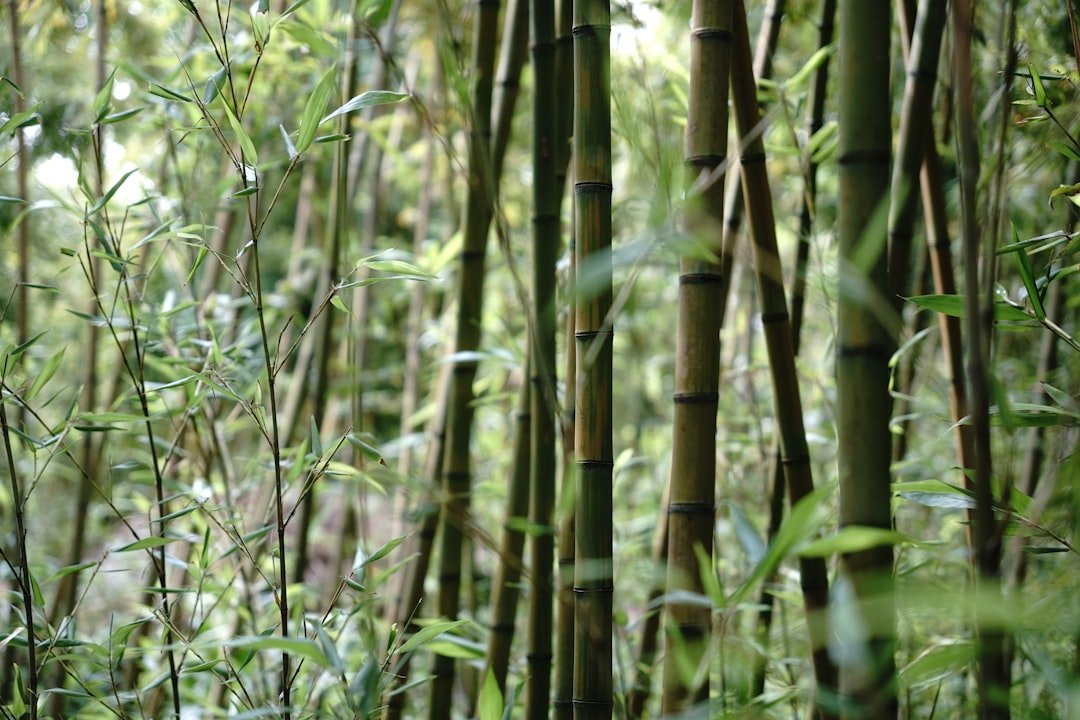
Title: Tall bamboo forest for bamboo sustainability courses
SEO Meta Description:
Explore top bamboo sustainability courses and jute programs to fuel your eco-advocate journey. Find academic paths, hands-on research, and real-world tips.
Why Bamboo and Jute Matter Today
When I first learned about the power of bamboo and jute in reducing plastic waste, I was hooked. These renewable materials offer a real answer to our global waste crisis.
- Rapid growth: Bamboo can grow up to 1 meter per day.
- Low input: Both bamboo and jute need minimal fertilizer and water.
- Carbon capture: They lock away CO₂—and fast.
But how can you turn that passion into expertise? Enter bamboo sustainability courses and jute programs. They’re designed for Eco-Conscious Consumers, Young Professionals, and even Parents seeking green alternatives for their kids.
“Taking a bamboo sustainability course changed how I buy building materials.” – A recent graduate
Top Academic Programs in Bamboo and Jute Sustainability
You don’t need to guess which degrees are worth your time. Here are leading programs that blend theory with hands-on work.
1. Sustainable Bioproducts, Mississippi State University
(msstate.edu/bioproducts)
- Concentrations:
- Forest Products Manufacturing & Engineering Technology
- Wood & Environmental Science
- Why it stands out:
- Cutting-edge research in AI-based forensic wood ID
- Biofuels and biochemical production from lignin
- Carbon sequestration strategies for bioproducts
I was impressed by the forest lab, where students measure density and even shave wood samples. If you’re looking for rigorous bamboo sustainability courses, this program covers bamboo composites alongside wood.
2. National Institute of Design (NID), India
(designnidi.in)
- Highlights:
- Material innovation labs focused on jute and bamboo fibers
- Collaboration with local artisans in West Bengal
- Product design projects—think sustainable furniture or packaging
In my visit to NID, I saw students turning jute fibers into lamp shades. It’s a solid choice if you want cross-disciplinary work between design and sustainability.
3. Asian Institute of Technology (AIT), Thailand
(ait.ac.th)
- Features:
- Regional case studies on bamboo plantations in Southeast Asia
- Field immersions in Myanmar and Vietnam
- Research on bamboo as a bioenergy source
They offer short courses too—perfect for professionals. I took a week-long module on bamboo charcoal and left with three implementable ideas for my urban garden.
Key Takeaways from Leading Bamboo Sustainability Courses
What sets the best bamboo sustainability courses apart? Here’s what to look for:
- Hands-On Labs: You’re not watching slides. You’re in the field, measuring culm diameter.
- Interdisciplinary Approach: From chemistry (making bamboo adhesives) to business (market analysis).
- Local Partnerships: Working with farmers and cooperatives. Real impact.
- Research Components: Publish a paper on bamboo bio-composites or jute fiber treatments.
Quick Tip: Before enrolling, ask to see a syllabus. If they mention lab work with bamboo density or jute tensile strength, you’re on the right track.
Hands-On Learning and Research Opportunities
I remember the first time I extracted cellulose from bamboo. It felt like magic. Many programs highlight these activities:
- Forensic Wood Identification
- Use AI and microscopy to spot illegal timber.
- Biofuels & Chemicals
- Turn bamboo lignin into bioplastic precursors.
- Building Materials & Composites
- Develop cross-laminated bamboo panels for affordable housing.
If you crave real-world skills, pick a course that balances lectures with lab hours. You’ll graduate with both a certificate and a portfolio.
Bringing Education into Practice with Aegle Sriphal
Education is only half the battle. You need tools to apply your knowledge. That’s where Aegle Sriphal comes in. We craft 100% natural material products that demonstrate design and sustainability.
Here are some favourites that we love to showcase in workshops and demo sessions:
Bamboo Speaker (High Priority)
– Rich, clear sound through natural bamboo acoustics.
– Perfect demo to show resonance properties of bamboo.
Bamboo Bottle (High Priority)
– Keeps your drink cool without plastic.
– A case study in thermal conductivity.
Bamboo Gym Shaker (High Priority)
– Durable and reusable—no microplastics.
– Demonstrates material strength and user safety.
Bamboo Mobile Stand (Medium Priority)
– Shows ergonomic design meets eco-friendliness.
Cork Diary (Medium Priority)
– A talk starter on cellulose vs. cork properties.
Every product becomes a teaching moment. In our experience, students gain deeper insights when they handle real eco-friendly goods rather than just reading about them.
Choosing the Right Bamboo Sustainability Course for You
With so many options, how do you decide? Here’s a quick checklist:
- Define Your Goal
– Research? Grab a full degree with a thesis.
– Professional upskill? Look for short, intensive modules. - Check Accreditation
– Formal institutions vs. private workshops.
– Industry recognition matters. - Evaluate Hands-On Hours
– Aim for at least 30% lab or fieldwork. - Consider Location
– Regional variation: India vs. Southeast Asia field immersion. - Budget & Scholarships
– Many universities offer eco-conscious grants.
Pro Tip: Reach out to alumni on LinkedIn. Ask them about real workload, networking, and internship paths.
Practical Tips for Success
Once you’re enrolled, follow these steps to maximise learning:
- Build a research journal. Jot down every experiment detail.
- Network with local bamboo growers or jute cooperatives.
- Volunteer at material testing labs.
- Attend webinars and conferences—many are free and online.
- Design a simple project: a plantable pencil or cork mug prototype.
These small wins lead to a solid portfolio, making you an attractive candidate for NGOs, green startups, or academic roles.
Conclusion
Becoming an eco-advocate in bamboo and jute sustainability starts with the right education. Bamboo sustainability courses are your gateway to understanding and innovating with these powerful materials. Pair that academic foundation with practical tools—like Aegle Sriphal’s sustainable products—and you’ll be ready to drive change.
Ready to make an impact?
Discover our eco-friendly collection and join the movement at Aegle Sriphal. Let’s plant seeds for a greener tomorrow, together.