Meta description: Explore how Aegle Sriphal’s plantable, 100% natural bamboo handcrafted utensils bring sustainable style and function, surpassing Vayu Earth’s offerings in eco-friendly kitchenware.
Introduction: The Sustainable Kitchenware Movement
Have you noticed the shift in your kitchen? Traditional plastics and metals are now competing with natural alternatives. The reason is simple: conscious living is on the rise. Europe’s eco-friendly goods market is booming—estimated at over €250 billion by 2025—and bamboo handcrafted utensils sit right at the heart of this craze.
Whether you’re an SME owner looking to stock your café with greener tools, or you simply want to reduce plastic waste at home, choosing the right brand matters. Today, we compare two leaders: Vayu Earth and Aegle Sriphal. Both promise craftsmanship and sustainability. But one goes the extra mile with plantable, 100% natural bamboo.
Vayu Earth at a Glance
Vayu Earth offers a broad range of kitchen and dining pieces. From enamelled mango‐wood bowls to recycled glass dinnerware, their collection looks beautiful on any table. Here’s what they do well:
- Diverse materials: Wood, glass, ceramic, metal.
- Artisanal craftsmanship: Products made by local artisans worldwide.
- Stylish designs: Modern meets traditional.
- Ethical sourcing: Recycled and upcycled inputs.
They tick many of the right boxes. But when you drill down, a few limitations pop up:
- Mixed materials: Their pieces often combine wood with enamel or metal. That means post‐life recycling can be tricky.
- No plantable feature: Once worn, items go to landfill or recycling—not back into soil.
- Hidden treatments: Enamels and finishes may include chemicals.
- Price pressure: High‐end artisanal goods can carry a premium.
Aegle Sriphal’s Bamboo Handcrafted Utensils: A Closer Look
Aegle Sriphal focuses exclusively on 100% natural materials, with a special love for bamboo. Every product is crafted, tested, and—even better—plantable. Their goal? To build a greener tomorrow by letting utensils return to the earth once their job is done.
Here’s what sets them apart:
- Pure bamboo: No chemical coatings or mixed materials.
- Plantable feature: Each piece contains embedded seeds. When you retire the utensil, plant it.
- Eco-friendly processes: Low-energy kilns, water-based glues, zero plastic packaging.
- Educational impact: Each set comes with a planting guide.
- Community engagement: Collaborations with schools and NGOs for sustainability workshops.
Aegle Sriphal doesn’t just sell kitchenware. They cultivate eco-education and community. Let’s dive into two fan favourites.
Product Highlight: Handmade Bamboo Kitchen Utensil Set
Imagine a set of spoons, forks, spatulas and tongs—each hewn from a single piece of organically farmed bamboo. These bamboo handcrafted utensils:
- Sustainably harvested from managed groves.
- Finished with a food-safe, water-based seal.
- Light, durable, and heat-resistant.
- Embedded with wildflower seeds at the handles.
Once the utensils reach the end of their lifecycle, simply bury them and watch wildflowers bloom. It’s waste as wonder.
Product Highlight: Plantable Bamboo Straws
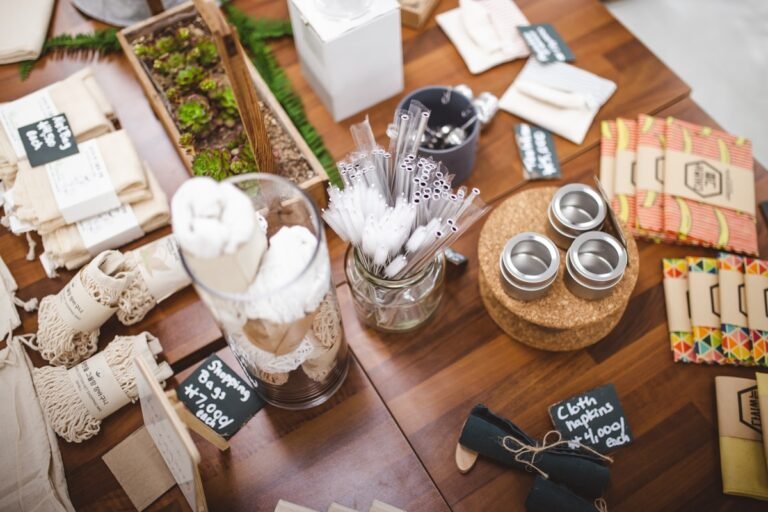
Plastic straws are notorious polluters. Aegle Sriphal’s answer? Sleek, reusable bamboo straws that:
- Come with a cleaning brush.
- Are dishwasher safe.
- Include lemon-mint or basil seeds in each pack.
- Packaged in recycled jute pouches.
Sip your smoothie. Later, pot the pouch. You’ve just grown a small herb garden.
Side-by-Side Comparison
| Feature | Vayu Earth | Aegle Sriphal |
|---|---|---|
| Core Material | Mango wood, enamel, recycled glass | 100% natural bamboo |
| Chemical Use | Enamel coatings, possible varnishes | Water-based seal; no synthetic chemicals |
| End-of-Life | Recycling or landfill | Plantable; returns nutrients to soil |
| Community & Education | Artisanal support | Workshops, planting guides, NGO collaborations |
| Packaging | Mixed (paper, plastic wraps) | Zero-plastic, compostable jute |
| Price Point | Mid to high | Competitive, with long-term value |
The Key Takeaway?
While Vayu Earth shines in variety and global artisan networks, Aegle Sriphal’s bamboo handcrafted utensils close the loop—minimising waste, promoting biodiversity, and driving sustainable education.
Why Bamboo Handcrafted Utensils Matter
You might ask: isn’t metal or silicone just as reusable? Sure. But consider:
- Bamboo grows 30 times faster than trees.
- It needs no pesticides or fertilisers.
- Harvesting bamboo restores topsoil and reduces erosion.
- Plantables spark conversation—and action—around waste.
Plus, bamboo utensils are naturally antimicrobial. They resist odours and stains. A small switch with a big impact.
Practical Tips: Maintaining Your Bamboo Kitchenware
- Handwash gently with mild soap.
- Avoid soaking for hours.
- Air-dry in a well-ventilated rack.
- Rub a drop of coconut or mineral oil monthly to preserve sheen.
- When you’re done, follow the simple planting steps included in your set.
Conclusion
Vayu Earth introduced us to mindful kitchen decor. But Aegle Sriphal raises the bar by making sustainability truly circular. Their bamboo handcrafted utensils aren’t just tools—they’re teachers. Each fork, spoon or straw carries a seed of change.
Ready to swap plastic and mixed materials for plantable bamboo? Compost your footprint—literally.
Call to Action
Discover the full range of Aegle Sriphal’s plantable bamboo kitchenware at https://aeglesriphal.com/ and start making your kitchen greener today!