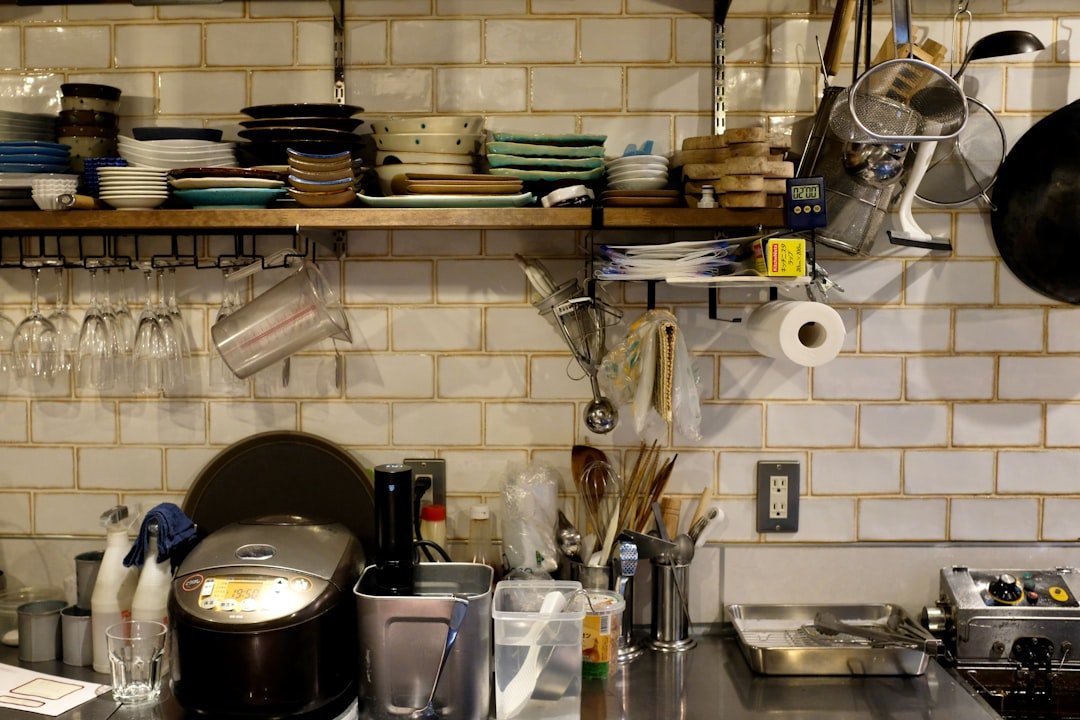
alt=”a kitchen filled with lots of pots and pans” title=”Kitchen Scene: recycle nonstick cookware”
Meta Description:
Find out how to responsibly dispose of nonstick pans and discover sustainable bamboo and jute cookware alternatives that reduce kitchen waste.
Cooking with nonstick pans feels like magic—eggs slide off, sauces don’t stick, clean-up is a breeze. The catch? When they wear out, recycle nonstick cookware turns into a puzzle. Today, we’ll walk you through why recycling nonstick pans is tricky, how to dispose of them responsibly, and what eco-friendly alternatives exist. Plus, discover how Aegle Sriphal’s bamboo and jute kitchenware can help you build a greener kitchen.
Why Is It Hard to Recycle Nonstick Cookware?
Spoiler: It’s not just you. Most of us wonder: “Can I really recycle nonstick pans?” The answer is complicated.
Mixed Materials
– A metal base (usually aluminium or stainless steel).
– A synthetic coating (PTFE, aka Teflon™).
– Bonded layers for durability.
Separating these layers is like trying to peel an orange glued to its peel. Most recycling facilities simply can’t.Chemical Coatings
– PTFE coatings contain chemicals that demand specialised handling.
– Many local recyclers avoid them to minimise environmental risk.Limited Recycling Programmes
– Ordinary curbside collections won’t accept coated cookware.
– Only a handful of scrap yards or e-waste centres take them.
Because of these hurdles, we often end up asking: “How can I recycle nonstick cookware without harming the planet?”
How to Determine If You Can Recycle Nonstick Cookware
Before you toss your old pan in the bin, take these steps:
Check the Base Material
– If it’s plain stainless steel or uncoated aluminium, some scrap metal recyclers will accept it.
– But if the pan still has nonstick coating, you’ll likely need an alternative route.Contact Local Recycling Centres
– Call your municipal waste facility and ask: “Can I recycle nonstick cookware here?”
– Search for e-waste recyclers or scrap yards that handle coated metals.Manufacturer Take-Back Schemes
– Brands often run recycling programmes.
– Check the website of your pan’s manufacturer for trade-in or take-back offers.Retailer Partnerships
– Some kitchenware retailers partner with recycling initiatives.
– Ask at the point of purchase: “Do you recycle nonstick cookware?”
The good news? A few local schemes and specialised centres exist if you do the legwork.
Responsible Disposal Methods for Nonstick Pans
When recycling isn’t an option, these methods keep waste from piling up:
Follow Local Guidelines
Contact your local waste authority. Some regions have designated drop-off days or special collections for coated metal.Scrap Metal Recycling
If you manage to separate the coating (not so easy), plain metal bases can go to scrap yards. Call ahead to confirm.Manufacturer Take-Back Programmes
Brands like Aegle Sriphal are exploring kitchenware recycling. Keep an eye out for official announcements and incentives.Repurpose or Donate
- Slightly scratched but still usable? Donate to charity shops.
Heavily worn? Repurpose as plant trays, tool organisers, or crafting moulds.
Landfill as Last Resort
If every other option fails, securely wrap the pan to stop flakes from contaminating soil. Label it clearly: Nonstick – non-recyclable.
Eco-Friendly Alternatives to Nonstick Pans
Rather than wrestling with recycling, why not switch to greener options? Here are kitchen staples that let you ditch the hassle:
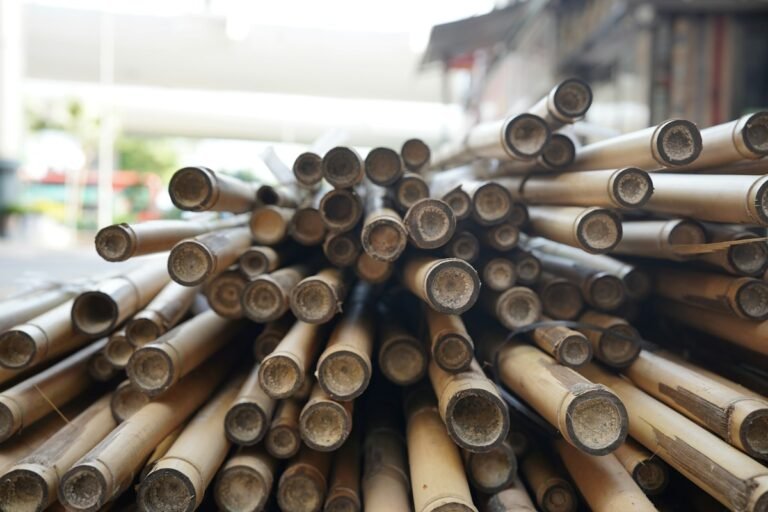
Bamboo Kitchenware
– Utensils, cutting boards, steamers.
– Naturally antimicrobial.
– Fully compostable at end of life.Jute & Natural Fibre Mats
– Trivets, coasters, fridge liners.
– Durable, heat-resistant, and biodegradable.Ceramic-Coated Pans
– Mineral-based coatings free from PTFE and PFOA.
– Some models come with recycling schemes.Cast Iron & Carbon Steel
– Develop a natural nonstick surface with seasoning.
– Lasts for decades.
– Fully recyclable when retired.
Switching isn’t just about materials—it’s about rethinking our kitchen habits.
Extend the Life of Your Cookware
Want to avoid that dilemma of how to recycle nonstick cookware in the first place? Care for your cookware like a pro:
Use the Right Tools
Avoid metal utensils on any nonstick surface. Grab silicone, wooden or nylon spoons instead.Moderate the Heat
High temperatures degrade coatings. Keep it low to medium for everyday cooking.Hand Wash Gently
Dishwashers are convenient, but they wear down nonstick layers. A soft sponge and mild dish soap do wonders.Store with Care
Stack pans with protective liners to prevent scratches.Know When to Replace
If flakes start peeling, it’s time to retire the pan—ingesting coating bits isn’t worth it.
By following these tips, you’ll reduce waste and save money on replacements.
Why Choose Aegle Sriphal’s Bamboo & Jute Kitchenware?
Ready to say goodbye to disposal headaches? Aegle Sriphal’s eco-friendly kitchen range offers:
100% Natural Materials
Bamboo steamers, chopping boards, cooking utensils—all crafted from sustainably sourced bamboo.
Jute trivets and mats made with natural fibres, adding warmth to your kitchen.Eco-Conscious Production
No harsh chemicals, minimal water usage, and biodegradable packaging.Unique & Functional Designs
Plantable labels and seed-embedded packaging that bloom into herbs or wildflowers.
Innovative shapes that balance style with practicality.Community Engagement
Aegle Sriphal partners with schools and NGOs to build awareness about sustainable living.
Choosing Aegle Sriphal means investing in quality cookware that you can compost at end-of-life—and skipping the scramble to recycle nonstick cookware.
Final Thoughts
The reality? It’s tough to recycle nonstick cookware. Mixed materials and chemical coatings leave most pans destined for landfill—unless you jump through hoops. But we have options:
- Explore local recycling schemes.
- Repurpose or donate what you can.
- Upgrade to bamboo, jute, ceramic or cast iron.
Better yet, take the plunge and cover your kitchen in natural materials. Aegle Sriphal’s bamboo and jute kitchenware not only looks gorgeous—it’s kind to the planet from production right through to disposal.
Ready to build a truly sustainable kitchen?
Explore Aegle Sriphal’s eco-friendly kitchen collection »
Join us in reducing kitchen waste, one bamboo spoon at a time.