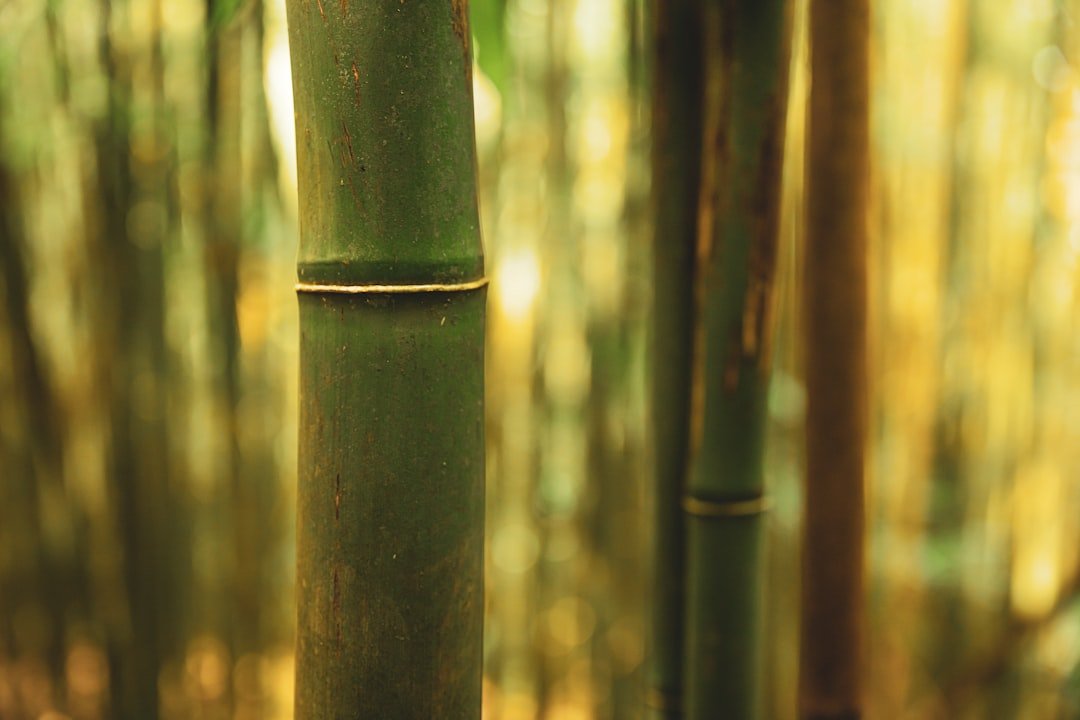
alt: green bamboo stick during daytime | title: Green Bamboo Stick | cork vs bamboo
Compare cork and bamboo drinkware sets to find the perfect sustainable option for your everyday hydration.
Why Sustainable Drinkware Matters
Every year, billions of single-use cups end up in landfills. Plastic pollution, toxic production methods and deforestation are draining our planet’s resources. Switching to reusable materials isn’t just trendy—it’s vital. Choosing the right drinkware set can reduce waste, cut carbon footprints and bring a bit of natural charm to your desk or picnic blanket.
You might be wondering: cork vs bamboo—which one wins? Let’s break it down.
Introducing Cork and Bamboo: Nature’s Gift
Both cork and bamboo shine as eco-friendly materials. They share some traits:
- Renewable sources
- Biodegradable end-of-life
- Unique aesthetics
Yet, they’re different in structure, performance and care. Understanding their strengths helps you pick a set that matches your lifestyle.
Material Profile: Cork Drinkware
Eco Credentials
- Harvested from cork oak trees without felling
- Bark regenerates every 9–12 years
- Reduces desertification in Mediterranean regions
- CO₂ absorption: each tree can sequester up to 5 tonnes over its lifetime
Durability and Performance
Cork is naturally water-resistant and has insulating qualities. That makes cork-lined tumblers or coasters great for:
- Keeping warm drinks warm
- Preventing condensation on cold beverages
- Providing a soft grip
Limitations
- Surface can wear over time if scratched
- Not ideal for dishwasher use—hand-wash only
- Limited colour range (natural tan tones)
Material Profile: Bamboo Drinkware
Eco Credentials
- Bamboo grows up to 1 metre per day
- No pesticides or fertilisers needed
- Deep root systems prevent soil erosion
- Harvested in 3–5 years vs decades for hardwoods
Durability and Performance
Bamboo drinkware often features:
- Smooth, splinter-free finish
- Lightweight yet sturdy build
- Heat-resistance for hot drinks (with a food-safe sealant)
- Natural antibacterial properties
Limitations
- Sensitive to prolonged soaking
- Requires periodic oiling to maintain sheen
- Some bamboo products use epoxy or melamine—check certifications
Cork vs Bamboo: Head-to-Head
Here’s a quick side-by-side comparison for your cork vs bamboo showdown:
| Feature | Cork Drinkware | Bamboo Drinkware |
|---|---|---|
| Sustainability | Bark harvest spares the tree; long-lasting orchard care | Fast-renewal crop; minimal inputs |
| Insulation | Excellent for hot/cold; natural foam structure | Good, but often needs double walls or liners |
| Aesthetic | Rustic, matte finish; warm hues | Smooth grain; light to dark tones |
| Maintenance | Hand-wash; avoid abrasion | Hand-wash; occasional oiling |
| Price | Mid to high range—artisan cork costs | Affordable to mid-range; scales with craftsmanship |
| Versatility | Limited drinkware shapes; best for tumblers & coasters | Wide variety: cups, mugs, straws, cutlery |
The winner? It depends on what you value most. If you want a natural, cushioned grip and top-tier insulation, cork is tempting. If lightweight convenience and rapid renewability top your list, bamboo shines.
How to Choose the Best Set for You
Define your priorities
– Longevity vs price
– Heat retention vs portabilityLook for third-party certifications
– FSC or PEFC for bamboo
– Cork Quality Council sealCheck the product finish
– Food-safe sealants on bamboo
– No harmful varnishes on corkRead real-user reviews
– Does it stain?
– Any peeling or cracking?Match design with daily habits
– Need a leak-proof lid or a tumbler sleeve?
– Desk desktop set or travel pack?
Practical Tips for Eco-Friendly Use
- Always hand-wash with mild soap
- Dry completely before storage
- Use a soft brush or cloth—no steel wool
- Oil bamboo monthly with food-grade mineral oil
- Exfoliate cork gently to remove hard water stains
Bonus tip: Keep a small cork coaster under potted plants to avoid water rings on furniture and give your home a cohesive, natural décor vibe.
Aegle Sriphal: Your Partner in Sustainable Living
At Aegle Sriphal, we’re more than a brand—we’re a movement. Our Bamboo Homeware Collection features handcrafted mugs, cups and tumblers that blend functionality with planet-positive practices. Each piece:
- Uses 100% natural bamboo
- Arrives in recyclable packaging
- Supports local artisans and sustainable forestry
Need help telling your own eco-story? Try Maggie’s AutoBlog, our AI-powered platform that crafts SEO-optimised content for SMEs. Whether you sell cork coasters, bamboo tumblers or plantable pencils, Maggie’s AutoBlog keeps your website fresh, geo-targeted and ready to convert conscious consumers.
Conclusion
Choosing between cork vs bamboo comes down to personal taste, budget and lifestyle. Cork dazzles with its natural insulative foam and soft touch. Bamboo scores on renewability, lightness and a polished look. Either way, you’re ditching plastic—one reusable sip at a time.
Ready to elevate your hydration game and shrink your environmental footprint? Explore Aegle Sriphal’s Bamboo Homeware Collection and find your perfect eco-friendly drinkware set today.
Call to Action
Discover more and make your switch at Aegle Sriphal.