:
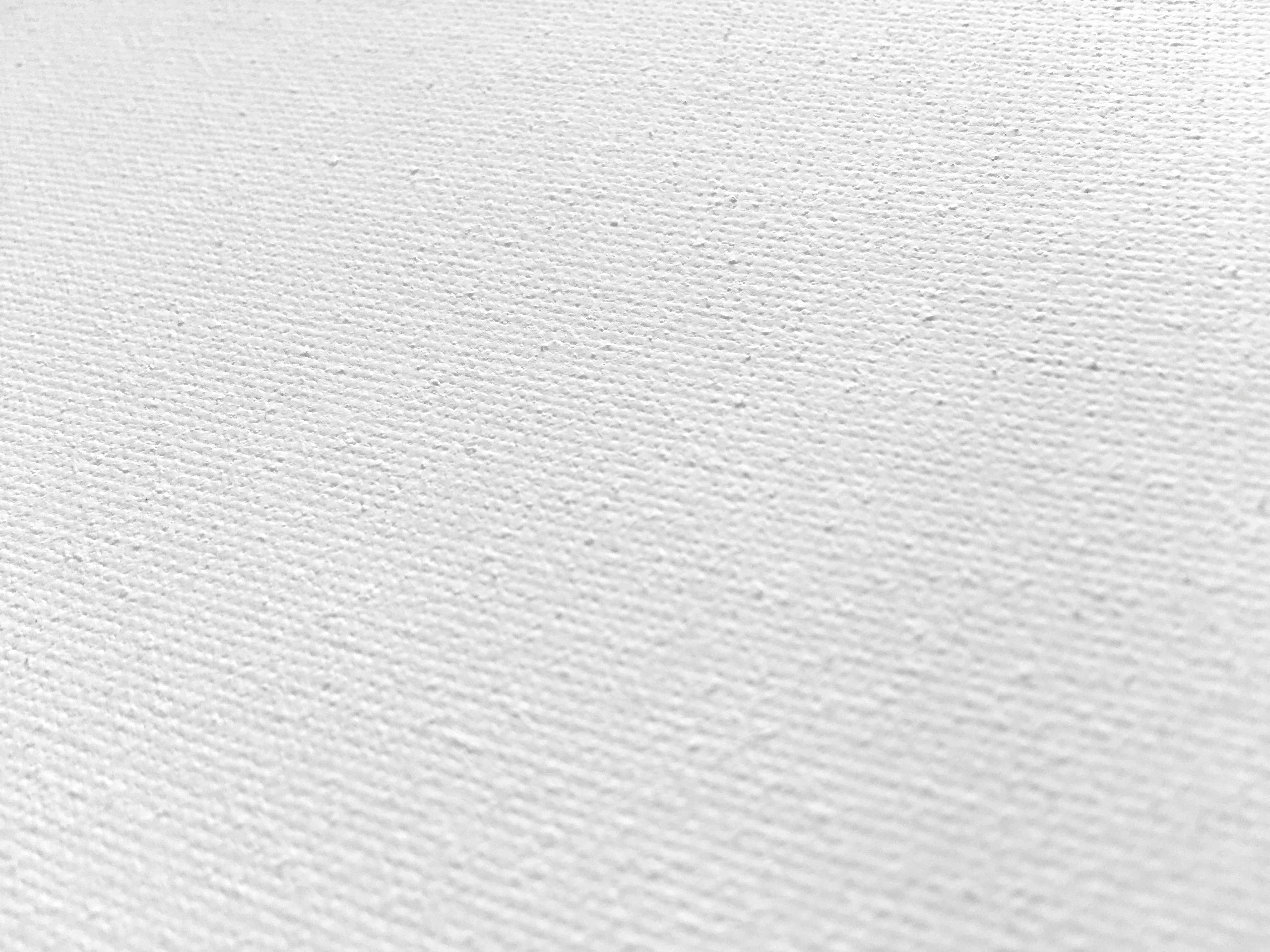
Perfect for upholstery. It’s sturdy enough for chairs and sofas, yet flexible for curtains and pillows. The 58-inch width offers generous coverage, reducing seams and waste.
Aegle Sriphal’s 7 Oz Organic Eco Twill White Medium Weight Fabric ticks all these boxes. It’s GOTS-certified, ethically sourced, and ready for your next sustainable home project.
Key Benefits of Organic Eco Twill Fabric
Why pick this over conventional cotton or synthetics? Here’s what makes it special:
Durability:
The tight twill weave stands up to daily use. No pilling. No weak spots.Comfort & Breathability:
Organic fibres allow air to circulate. Your sofa stays cool in summer and cosy in winter.Stain Resistance:
Lightly brushed finishes repel spills. With proper care (more on that later), your pieces look fresh for years.Versatility:
From upholstery to drapes, eco twill adapts to any style. Neutral tones blend in. Bright colours pop.Easy Care:
Machine-washable on gentle. Line dry or low tumble. No need for harsh chemicals.
By choosing a durable, multi-use fabric, you reduce waste and extend the life of your home textiles. That’s smart, sustainable living.
How to Select the Right Sustainable Upholstery Fabric
Picking the perfect sustainable upholstery fabric might sound daunting. But it’s really about four simple factors:
1. Weight & Durability
- Light weight (4–6 oz): Ideal for curtains, cushions.
- Medium weight (7–9 oz): Best for sofas, armchairs, headboards.
- Heavy weight (10 oz+): Outdoor furniture, high-traffic areas.
2. Fibre Content & Certification
- 100% Organic Cotton: Soft, breathable, highly sustainable.
- Cotton Blends (Organic + Linen/Hemp): Added texture, strength, and moisture control.
- Look for GOTS or OEKO-TEX labels to guarantee no nasty chemicals.
3. Colour & Dye Process
- Low-Impact Dyes: Less water usage, no toxic runoff.
- Natural Hues: Earthy tones show less wear.
- Custom Printing: Ensure eco-friendly inks if you opt for patterns.
4. Width & Yield
- Wider fabrics (58–60 inches) minimise seams.
- Calculate yardage by measuring furniture dimensions + 10% extra for matching patterns.
By focusing on these factors, you’ll find the perfect sustainable upholstery fabric for any project.
Comparing Twill to Other Sustainable Materials
Twill is a star, but let’s see how it stacks up against other eco-friendly fabrics:
- Bamboo:
Ultra-soft, naturally antibacterial
– Can be flimsy for heavy-duty upholsteryJute:
Rustic, highly durable
– Coarse texture; better for rugs or accentsHemp:
Very strong, natural UV resistance
– Limited colour range, often stiff unless blendedLinen:
Breathable, elegant drape
– Prone to wrinkles, not as abrasion-resistantEco Twill:
- Balanced strength & softness
- Versatile for upholstery, curtains, cushions
- Wide range of colours and finishes
In most homes, eco twill offers the best mix of comfort, style, and longevity. It’s the fabric you can trust for high-traffic furniture pieces.
Caring for Your Sustainable Upholstery Fabric
To get the most from your eco twill, follow these simple care tips:
Regular Vacuuming:
Removes dust and prevents dirt from embedding in the weave.Spot Treatment:
Blot spills immediately. Use mild soap and water—no bleach.Gentle Wash Cycles:
For removable covers. Cold water, gentle spin, line dry.Avoid Harsh Cleaners:
Stick to eco-friendly detergents. They’re kinder to fabric and planet.Rotate Cushions:
Even wear extends the life of both fabric and filling.
A bit of routine maintenance goes a long way. Your sustainable upholstery fabric will stay fresh and beautiful for years.
Aegle Sriphal’s Commitment to Eco-Friendly Production
At Aegle Sriphal, sustainability is more than a buzzword—it’s our guiding principle. Here’s what sets us apart:
- 100% natural materials in every product
- Eco-friendly production methods to minimise environmental impact
- Innovative designs that blend functionality with conscious living
- Plantable packaging that grows into herbs or wildflowers
- Active community engagement through workshops and partnerships
Whether you’re an interior designer, an SME retailer, or a conscious homeowner, we partner with you to deliver premium sustainable upholstery fabric. We believe in transparency, quality, and education—so you can make the best choices for your projects and the planet.
Practical Applications: Where to Use Organic Eco Twill
Think beyond sofas. Here are some creative ways to incorporate eco twill into your spaces:
- Statement Armchairs: A bold colour can transform a corner.
- Dining Chair Cushions: Easy to clean, comfy to sit on.
- Custom Curtains: Block light gently while adding texture.
- Decorative Throw Pillows: Mix patterns and solids for a curated look.
- Headboards & Wall Panels: Upholstered surfaces soften acoustics.
Every application benefits from the strength and subtle sheen of twill. Plus, your guests will love knowing you chose eco-friendly options.
Real-Life Example: A Café Makeover
Last spring, a local café in London wanted a cosy, sustainable vibe. We recommended Aegle Sriphal’s organic eco twill fabric for their booth seating and scatter cushions. The result?
- A welcoming, modern aesthetic
- Easy-to-clean surfaces after coffee spills
- A powerful story to share with customers: “All our upholstery is 100% natural, ethically made.”
The café owner told us: “Switching to this fabric was one of the best décor decisions we made. It feels great and aligns with our brand values.”
Conclusion
Choosing the best sustainable upholstery fabric doesn’t have to be complicated. With the right knowledge—about fibre content, weave, certifications, and care—you can create stylish, long-lasting interiors that respect our planet.
The decision? It’s simple.
Head over to Aegle Sriphal and explore our 7 Oz Organic Eco Twill White Medium Weight Fabric. Give your furniture a green upgrade today!
Ready to transform your space with premium organic eco twill?
Visit Aegle Sriphal to shop sustainable upholstery fabric and other eco-friendly home textiles:
https://aeglesriphal.com/