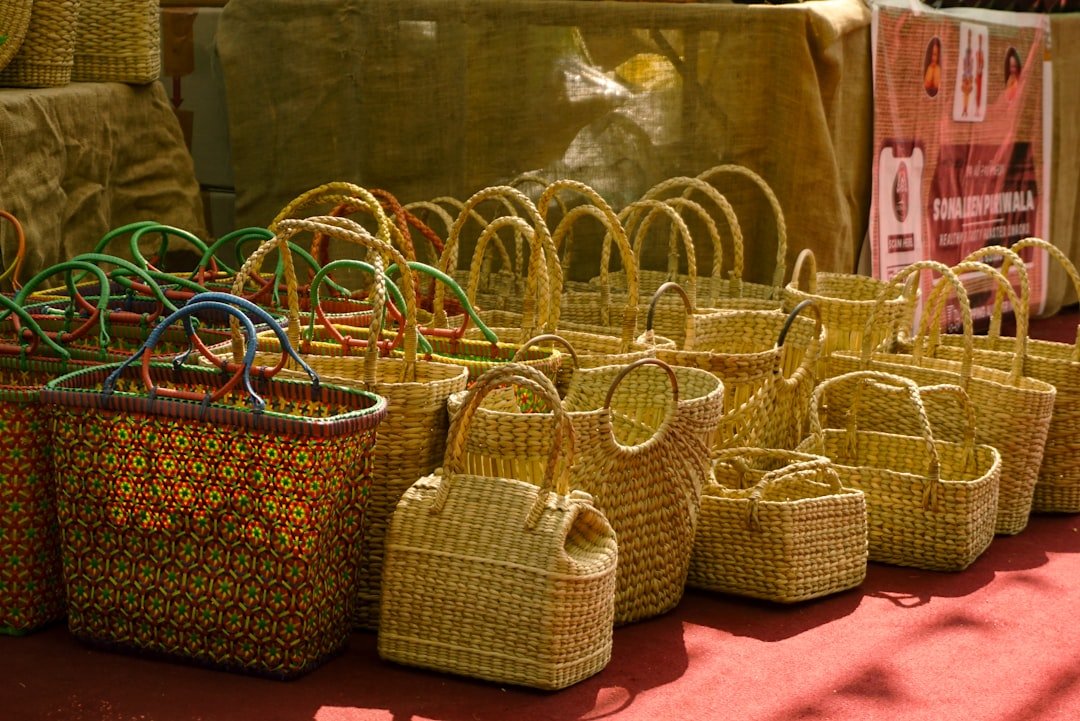
When I first ran my hand along a bamboo composite panel, I was struck by two things: its lightness and its strength. Natural fibres products aren’t just a fad—they’re a vital shift towards sustainable materials. In this post, we’ll dive into how bamboo, jute and other renewable fibres are changing the game for high-performance composites, and how Aegle Sriphal is at the forefront of this eco-transformation.
Why Natural Fibres Matter
- Plastic waste keeps piling up—20 million tonnes in Europe alone every year.
- Governments are tightening regulations on single-use plastics and non-renewable materials.
- Consumers crave eco-friendly options that don’t sacrifice durability.
Enter natural fibre composites. By blending fibres like bamboo or jute with bio-resins, we get materials that rival conventional plastics in strength, with a fraction of the environmental footprint. The good news? Many of these solutions are within reach of SMEs, designers and manufacturers alike.
Key Players: Bamboo, Jute and Beyond
Bamboo Fibre Composites
- Tensile strength on par with steel in certain orientations.
- Fast growth rate—some species mature in under five years.
- Aegle Sriphal uses farm-sourced bamboo, processed with minimal chemicals.
Jute Fibre Composites
- Naturally coarse, making it ideal for robust panels and insulation.
- Biodegradable and compostable at end-of-life.
- Aegle Sriphal innovates by weaving jute into lightweight homeware and packaging solutions.
Flax, Hemp and Other Fibres
- Flax offers superb acoustic damping—perfect for interior panels.
- Hemp brings mildew resistance and UV stability.
- Combining flax with jute yields hybrid composites that balance cost and performance.
Manufacturing: From Farm to Finished Goods
Harvest & Preparation
– Fibres are retted and cleaned to remove impurities.
– Mechanical or chemical processes separate the long strands.Treatment & Sizing
– Surface treatments (like silane coupling agents) improve bonding with resins.
– Fibre strands are cut to length or woven into mats.Composite Lay-up
– Mats are layered and infused with bio-resin under vacuum or compression.
– Curing at controlled temperature yields rigid, lightweight panels.Finishing Touches
– Panels are trimmed, sanded and coated with low-VOC finishes.
– Quality control ensures consistent strength, moisture resistance and appearance.
Performance Applications
Natural fibre composites shine in:
Construction & Architecture
- Cladding panels, partition walls and decorative facades.
- Thermal and acoustic insulation—thanks to air-trapped fibre mats.
Automotive & Transportation
- Interior door panels, dashboards and luggage compartments.
- Weight reduction can boost fuel efficiency by up to 10%.
Consumer Goods & Retail
- Eco-friendly furniture, shelving and homeware.
- Packaging solutions that decompose naturally.
Spotlight on Aegle Sriphal
Aegle Sriphal isn’t just a supplier. We’re a movement:
• 100% natural materials – from the fibre to the finish.
• Eco-friendly production – low energy, minimal waste.
• Innovative designs – plantable pencils, bamboo utensil sets.
• Community engagement – workshops and school programmes.
And for SMEs looking to share their sustainability journey? Meet Maggie’s AutoBlog—our high-priority, AI-powered platform that automatically generates SEO and GEO-targeted blog content. It helps you:
– Craft posts about your own natural fibres products.
– Target local markets across Europe.
– Save time and resources on content creation.
Practical Tips for Integrating Natural Fibres
- Start small: try bamboo composite coasters or jute tote bags.
- Partner with local farmers to secure a steady fibre supply.
- Invest in simple surface-treatment kits to boost adhesion.
- Test prototypes under real conditions—moisture, heat and wear.
- Highlight your eco-credentials on packaging and marketing materials.
Future Trends & Opportunities
- Hybrid Composites: Combining natural fibres with recycled plastics for bespoke properties.
- Advanced Bio-resins: Moving beyond plant oils to novel, fully bio-based resins.
- Circular Designs: Products designed for disassembly and upcycling.
- B2B Collaborations: Schools, corporations and NGOs seeking turnkey sustainable solutions.
The opportunity is clear: the global natural fibres products market is set to exceed $300 billion by 2025. And Aegle Sriphal is ready to help you seize a share.
Conclusion
Natural fibre composites are more than just an eco-trend—they’re the building blocks of a sustainable future. From bamboo panels that cut carbon emissions to jute products that return to the earth, these materials deliver performance and peace of mind.
Curious to learn more? Explore our full range of natural fibre offerings, delve into case studies or join our community events.
Ready to make a greener choice?
Visit us today https://aeglesriphal.com/