.
The good news? Every time you swap to a natural alternative, you chip away at that footprint. Bamboo water bottles and plantable pencils provide a tangible way to reduce embedded carbon, support local communities, and even grow new plants.
Bamboo Water Bottles: Nature’s Lightweight Champion
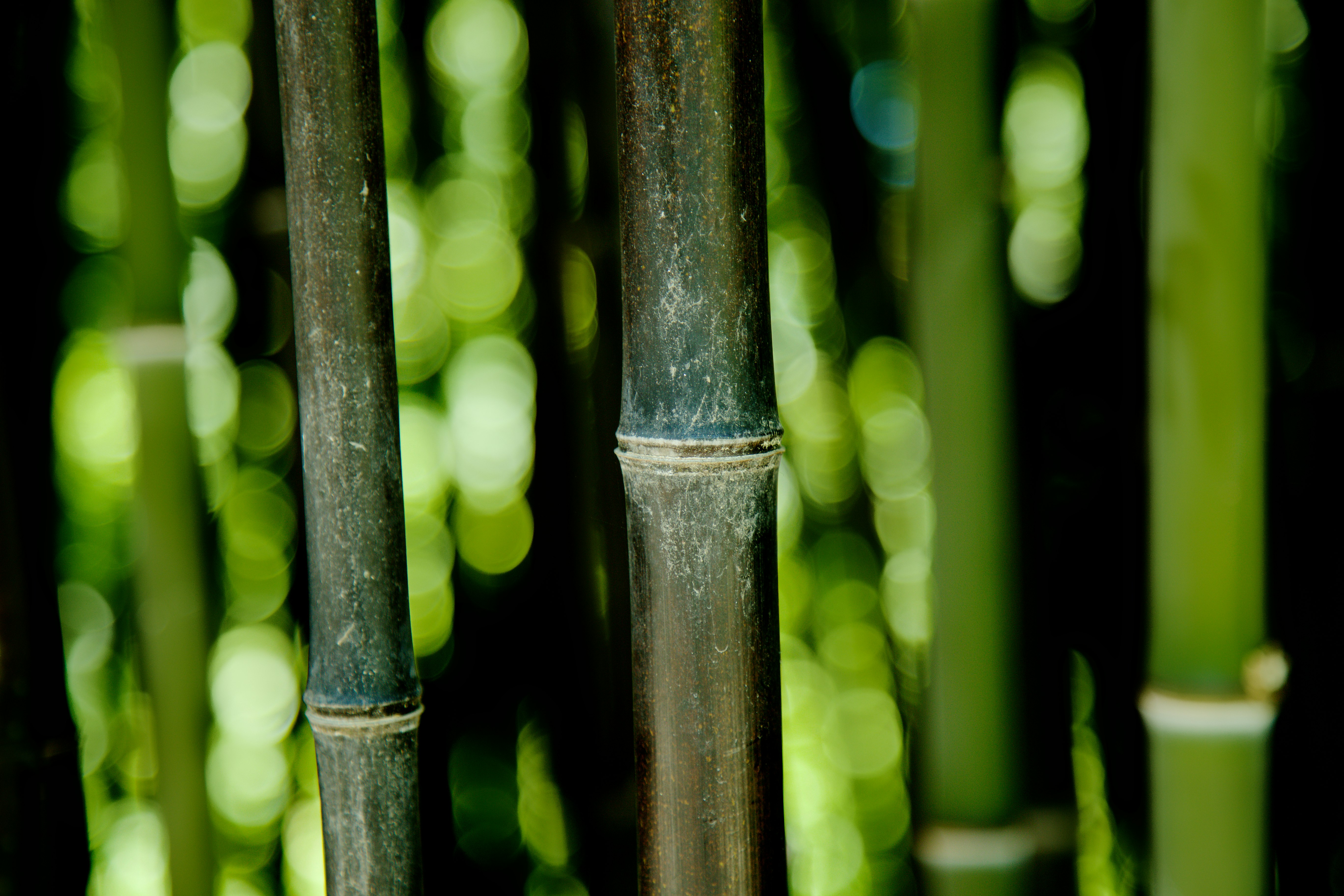
Bamboo isn’t just for panda snacks. It’s one of the fastest-growing plants on Earth, reaching maturity in under five years, compared to 30–60 years for most hardwood trees. Here’s why bamboo water bottles deserve a spot in your daily routine:
1. Renewable and Fast-Growing
- Bamboo regenerates from its own roots, no replanting needed.
- It captures more carbon dioxide per hectare compared to some commercial tree plantations.
- Harvesting bamboo actually strengthens the root system, preventing soil erosion.
2. Durable Yet Lightweight
- A well‐crafted bamboo container resists dents and cracks.
- You carry less bulk. That means lower shipping weight and fewer fuel emissions.
- The natural fibres provide insulation, keeping drinks cooler for longer.
3. Naturally Antimicrobial
- Bamboo contains bamboo kun, a bio-agent that resists bacteria and fungus.
- Your bottle stays fresher between washes, with less soap and water needed.
“I switched from a stainless steel bottle to a bamboo option. The drop in my carbon footprint? Immense. Plus, I love the natural feel in my hand.” — Samantha, eco-enthusiast in London
Introducing Aegle Sriphal’s Bamboo Water Bottles
At Aegle Sriphal, sustainability is more than a buzzword. Their bamboo water bottles are:
- 100% natural: Made with bamboo fibre and a food-safe inner lining.
- Eco-friendly production: Low-impact drying and shaping processes, using solar-powered kilns where possible.
- Innovative design: Leakproof cork lids, detachable straps, and sleek silhouettes perfect for work or gym.
By choosing Aegle Sriphal’s bamboo bottles, you’re not only hydrating responsibly—you’re supporting:
• Empowered artisans: Over 1,200 farmers and craftspeople across South Asia earn a fair wage.
• Community reforestation: A portion of every sale goes to planting bamboo groves, offsetting CO₂.
• Plastic diversion: Each bottle diverts at least 1.5 kg of plastic from landfills over its lifetime.
Plantable Pencils: From Notes to Native Flowers
Most pencils get tossed when too short to grip. Aegle Sriphal’s plantable pencils rewrite that ending. Each pencil houses a seed capsule at its tip—when it’s down to stub length, just plant it. In time, it can grow basil, marigolds, or wildflowers.
Why Plantable Pencils Matter
- Zero waste: No more broken, unusable stubs.
- Educational fun: Kids (and adults) learn about germination and plant care.
- Local biodiversity: Herb and flower varieties help pollinators in many regions.
“My office went from plastic pens in landfill to pencils I can grow into herbs. It’s the little things that make a big impact.” — Martina, SME owner in Berlin
Bamboo vs Stainless Steel: A Side-by-Side Look
| Feature | Bamboo Water Bottles | Stainless Steel Bottles |
|---|---|---|
| Carbon Footprint | Low (fast renewability, light transport) | High (energy-intensive production, heavy weight) |
| End-of-Life | Biodegradable / compostable | Recyclable but often landfilled |
| Insulation | Good | Excellent (double-walled), but energy costlier |
| Chemical Safety | Natural antimicrobial qualities | Often lined with coatings |
| Aesthetic & Feel | Warm, organic surface | Cold, metallic surface |
| Community Impact | Fair-trade artisan networks, reforestation projects | Generally industrial, less community focus |
The good news? If insulation is your main concern, pair a bamboo outer shell with an insulated glass liner—getting the best of both worlds.
Practical Tips for Embracing Bamboo Essentials
- Start small: Swap one stainless steel bottle for a bamboo water bottle.
- Maintain with care: Rinse your bamboo bottle with mild detergent; avoid dishwasher heat.
- Upcycle wisely: When your plantable pencil is ready, choose local seeds that thrive in your climate.
- Spread the word: Gift a set of bamboo bottles and plantable pencils to colleagues.
- Support eco-brands: Look for 100% natural materials, transparent sourcing, and community programmes.
By making incremental changes, you build momentum in your life and workplace. The shift feels less daunting, and you’ll soon find yourself recommending bamboo essentials to friends and family.
Why SMEs Should Lead the Charge
Small to medium enterprises often face budget constraints, but sustainability can be a competitive edge:
- Brand story: Eco-friendly partners resonate with conscious consumers in Europe and beyond.
- Employee pride: Teams feel better using tools aligned with their values.
- Regulatory alignment: Stay ahead of packaging waste laws and green procurement policies.
Aegle Sriphal offers bulk orders and tailored partnerships, making it easier for SMEs to stock offices with bamboo water bottles and plantable pencils—without the overhead of managing multiple suppliers.
Beyond Products: Building an Eco-Conscious Community
Aegle Sriphal isn’t just selling items. They’re planting seeds—literally and figuratively—for a greener future:
- Interactive workshops on zero-waste living
- School programmes that distribute plantable pencils to students
- Social media challenges that encourage sharing your bamboo essentials
When you choose their bamboo water bottles or plantable pencils, you join a community that values education, action, and transparency.
Conclusion
Switching from stainless steel to bamboo water bottles and adopting plantable pencils may seem like a small step. But together, these choices create a ripple effect:
• Reduced energy consumption
• Less plastic and steel waste
• Empowered artisans and farmers
• Greener, more engaging learning experiences
Ready to start? Take the bamboo leap today and watch your daily essentials sprout into something amazing—for you, for communities, and for the planet.
Call to Action
Discover Aegle Sriphal’s full range of bamboo water bottles and plantable pencils at https://aeglesriphal.com/ and join the journey toward a greener tomorrow.