SEO Meta Description: Discover unique properties of jute, bamboo & cork fibers to craft durable, eco-friendly products. Your guide to natural fibers products for sustainable living.
Sustainability isn’t a buzzword—it’s a necessity. And Natural fibers products like jute, bamboo, and cork are leading the charge toward a greener future. Whether you’re an artisan crafting eco-friendly totes or a business exploring conscious living goods, this guide helps you pick the right fibre for your next project.
Why Choose Natural Fibers Products?
Plastic waste is piling up. Landfills groan under disposable ware. The good news? You have options.
- Renewable. These materials regrow quickly.
- Biodegradable. They return to the earth without a trace.
- Versatile. You’ll find them in textiles, home decor, and more.
- Stylish. Natural textures add warmth and authenticity.
Ready to swap out synthetic for sustainable? Let’s dive into the stars of the show.
Jute Fibers: The Golden Fibre
What Makes Jute Special?
Jute is one of the cheapest Natural fibers products. It grows fast—up to 3 metres in a single season. Traditionally, jute turns into burlap, twine, and sacks… but its potential goes far beyond.
Key benefits:
- High tensile strength – it won’t tear under everyday strain.
- Breathable – perfect for storage bags and home textiles.
- Biodegradable – compostable in just a few months.
- UV-resistant – colours stay vibrant longer.
Common Uses and Applications
You’ve seen jute in sacks and rugs. But check out these modern takes:
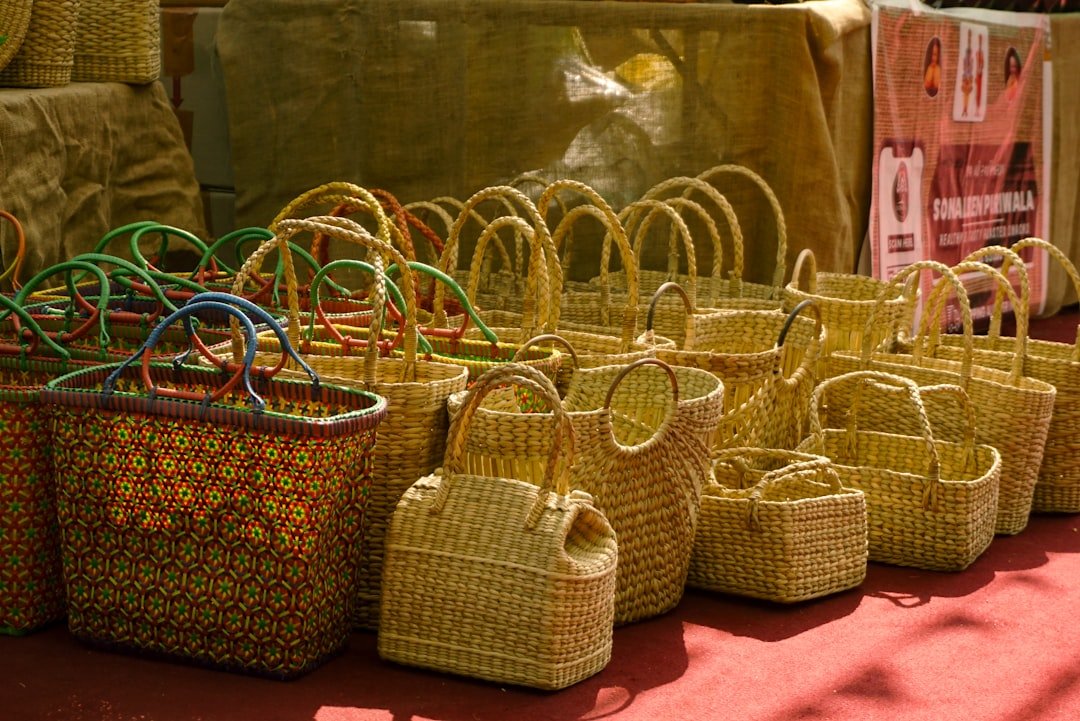
- Hand-woven jute shopping totes
- Decorative wall hangings
- Plant holders and macramé art
- Aegle Sriphal’s signature jute accessories, blending style with sustainability
Practical Tips for Working with Jute
- Pre-wash. Softens rough strands.
- Seal edges. Prevent fraying with a serger or fabric glue.
- Dye naturally. Turmeric or beetroot create earthy hues.
- Combine with cotton. Adds softness and sheen.
Bamboo Fibres: Nature’s Miracle Material
Bamboo’s Eco Credentials
Bamboo grows like wildfire—up to 1 metre a day. It absorbs carbon dioxide at a remarkable rate, making it a top choice for Natural fibers products that tread lightly on the planet.
Benefits at a glance:
- Antibacterial and hypoallergenic.
- Moisture-wicking – stays fresh against the skin.
- Durable – tougher than many hardwoods.
- Fast-renewing – no deforestation needed.
Innovative Bamboo Products
From clothing to kitchenware, bamboo steps in where plastics fail:
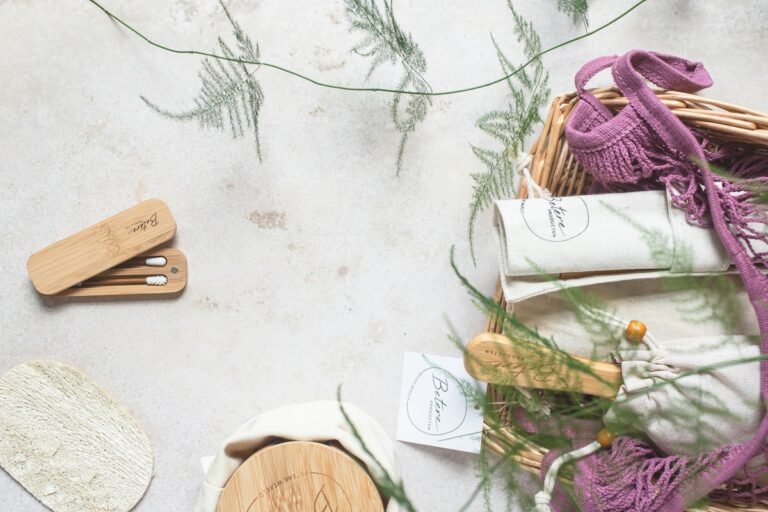
- Bamboo homeware: cutting boards, utensils, and serving trays.
- Bamboo textile blends: soft, breathable towels and sheets.
- Aegle Sriphal’s bamboo homeware line – smart designs crafted with 100% natural materials.
- Bamboo furniture: chairs, shelves, stools.
How to Care for Bamboo Goods
- Hand wash when possible.
- Avoid soaking.
- Apply a light coat of mineral oil to cutting boards.
- Store in a dry place to prevent mould.
The pay-off? Longevity. Your bamboo cutting board could outlast several plastic versions.
Cork Fibres: The Underestimated Hero
Cork’s Unique Qualities
Harvested from the bark of cork oak trees, cork regrows—so trees live on. It’s buoyant, fire-resistant, and supremely flexible. Yet cork often flies under the radar among Natural fibers products.
Why cork stands out:
- Naturally water-repellent.
- Excellent shock absorber.
- Lightweight, yet strong.
- Pest-resistant – no chemicals needed.
Everyday Cork Creations
Cork isn’t just for wine stoppers. Think big:
- Cork coasters and placemats: chic and practical.
- Cork yoga mats: cushion + grip in one.
- Cork bulletin boards: silent pin-ups.
- Cork flooring tiles: warm underfoot with a springy feel.
Tips for Choosing Quality Cork
- Check for uniform grain. Fewer blemishes mean better durability.
- Opt for thicker sheets for high-traffic needs.
- Ensure eco-certification: look for FSC-labelled cork.
Comparing Jute, Bamboo, and Cork
| Feature | Jute | Bamboo | Cork |
|---|---|---|---|
| Growth rate | 3 metres/season | 1 metre/day | Bark regrowth every 9 years |
| Main use | Textiles, packaging | Homeware, textiles, furniture | Flooring, mats, accessories |
| Durability | Strong, but coarse | Highly durable | Flexible & shock-absorbent |
| Moisture handling | Breathable | Wicks moisture | Repels water |
| Biodegradability | Yes | Yes | Yes |
No single fibre does it all. But by mixing these Natural fibers products, you can engineer composite materials that play to each fibre’s strengths.
Integrating Natural Fibers Products into Your Business
For SMEs eyeing new eco-lines, here’s how to get started:
- Audit: Evaluate existing product lines. Where can you swap plastics or synthetics for jute, bamboo, or cork?
- Source wisely: Partner with suppliers who guarantee 100% natural materials—like Aegle Sriphal.
- Prototype: Test blends—jute-bamboo tote, bamboo-cork kitchen mat… see what sticks.
- Educate customers: Highlight why these materials are better. Transparency builds trust.
- Scale up: Use data on sales and feedback to refine your offerings.
Aegle Sriphal specialises in this journey—offering plantable pencils, bamboo homeware, and hand-woven jute accessories. Their eco-friendly production methods minimise impact while delivering premium design.
Actionable Tips for Consumers and Makers
- Label your products clearly with fibre content.
- Encourage care instructions: “Avoid harsh detergents.”
- Share the story: how your jute was grown or your cork harvested.
- Get social: show behind-the-scenes of sustainable sourcing.
- Partner with schools or NGOs for workshops on Natural fibers products.
Aegle Sriphal: Your Partner in Sustainability
You know the fibres. But who can help you bring them to market? Enter Aegle Sriphal.
Why choose them?
- 100% natural materials in all products.
- Innovative designs that blend functionality with sustainability.
- Plantable products that spark environmental education.
- A passionate community of eco-advocates.
Whether you’re ordering private-label woven jute bags or stocking bamboo kitchen essentials, Aegle Sriphal has you covered. Their commitment to strong community engagement helps you connect with like-minded customers.
Next Steps
Feeling inspired? Here’s how you can move forward:
- Browse Aegle Sriphal’s catalog to see jute, bamboo, and cork offerings.
- Request samples for quality testing.
- Plan a small pilot with your top-selling item swapped for a natural fibre product.
- Collect customer feedback and iterate.
Small steps lead to big change. And your customers will thank you for offering conscious, Natural fibers products that do good for the planet.
Ready to elevate your product line with sustainable fibres?
Explore Aegle Sriphal’s range of eco-friendly solutions today: