 in gardening.
In short: you might save money and reduce your footprint.
Aegle Sriphal’s Green Product Pricing in Action
At Aegle Sriphal, 100% natural materials and eco-friendly production aren’t buzzwords. They’re the standard. Here’s how we support your conscious choices:
1. Bamboo Homeware
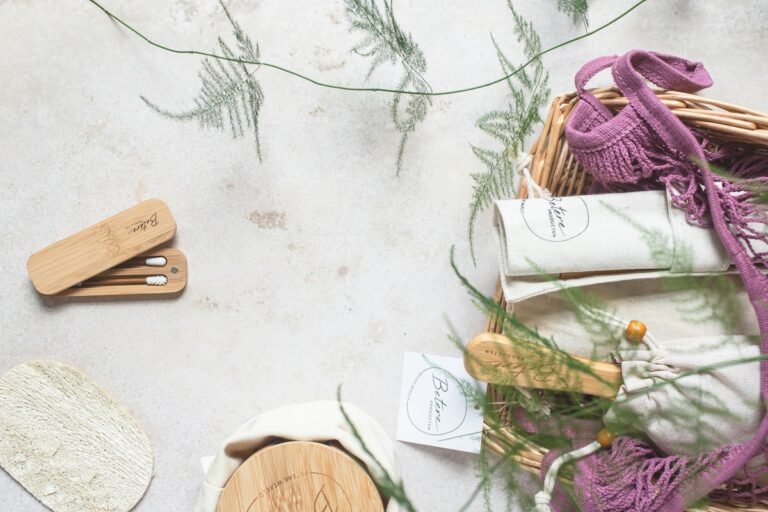
- Kitchen utensils, plates and storage containers crafted from fast-growing bamboo.
- Naturally antibacterial surface.
- Sturdy design that lasts for years—no need to replace frequently.
2. Jute Bags & Accessories
- Handwoven jute totes, backpacks and organisers.
- Biodegradable and robust—a perfect daily companion.
- Stylish colours and patterns, no plastic linings.
3. Plantable Pencils
- Write notes, then plant the stub.
- Embedded seeds sprout into herbs or wildflowers.
- A fun way to teach sustainability and close the loop.
Each product factor—premium materials, fair-trade labour, eco-friendly packaging—feeds into that 9.7% green product pricing. You’re not just paying for an object. You’re investing in ethical manufacturing, community well-being and lower environmental impact.
Breaking Down the Cost—What Influences Price Points?
Ever wondered why some eco-friendly goods cost more? Here’s the breakdown:
Raw Materials
Bamboo cultivation and jute farming follow sustainable, low-impact practices. That means crop rotation, minimal pesticides and fair wages for farmers.Production Methods
Small-batch artisan processes ensure quality but limit economies of scale. Factories powered by renewable energy also add to costs.Certifications & Transparency
Third-party audits, organic or fair-trade labels demand fees and rigorous documentation.Packaging & Shipping
Recyclable or compostable packaging can be pricier than plastic. Plus, local sourcing reduces transport emissions but may raise local production costs.
All these elements justify a modest price bump. And they add up to a product you can trust.
How SMEs Can Benefit from Green Product Pricing
If you run a small to medium enterprise, adopting green product pricing can:
Differentiate Your Brand
Stand out in a crowded market by offering genuine sustainability.Attract Loyal Customers
Conscious consumers are willing to pay more—and come back for more.Build B2B Partnerships
Collaborate with schools, NGOs or corporates on eco-education kits, branded jute bags or plantable stationery.Boost Online Visibility
Sustainability stories resonate on social media. Share behind-the-scenes looks at your bamboo workshops or jute-weaving co-ops.
Aegle Sriphal’s community engagement and bulk-order options make it easy for SMEs to tap into this trend.
Practical Tips for Consumers—Getting the Most Value
You don’t need a degree in environmental science to shop wisely. Here are quick, actionable tips:
- Look for eco-labels and ask brands for transparent sourcing details.
- Compare lifecycle costs, not just sticker price.
- Choose multi-use items—like jute totes that double as storage at home.
- Repair or upcycle before you replace.
- Recycle or compost at end of life.
Follow these steps and you’ll make that 9.7% premium work harder for you.
Future Outlook—Market Trends and Growth
The green product pricing trend shows no sign of slowing:
- Global eco-friendly goods market projected to hit $300 billion by 2025.
- In India alone, bamboo and jute segments could top $50 billion in addressable market value.
- EU regulations on packaging and carbon emissions will drive further premium-pricing adoption.
As consumers, SMEs and governments tighten sustainability goals, paying that extra green product pricing fee will feel less like a cost—and more like a necessity.
Ready to see how a 9.7% premium delivers lasting value? Explore Aegle Sriphal’s range of bamboo homeware, jute accessories and plantable pencils. Each product is designed to justify every rupee—and foster a greener tomorrow.
Discover our eco-conscious collection →
https://aeglesriphal.com/