Meta description: Discover how families can create fun DIY solar home projects with bamboo, jute, and recycled materials. Step-by-step guide to educational sustainability projects for kids and parents alike. Empower conscious living today!
Why educational sustainability projects matter for families
Every family can turn the home into a mini science lab. Educational sustainability projects:
- Teach kids about renewable energy.
- Spark creativity with natural materials.
- Strengthen family bonds.
- Reduce reliance on plastic.
Sounds good? Let’s dive in. You don’t need fancy gear. Just simple supplies and a bit of curiosity.
Gathering your natural materials
Before you start, assemble these eco-friendly items:
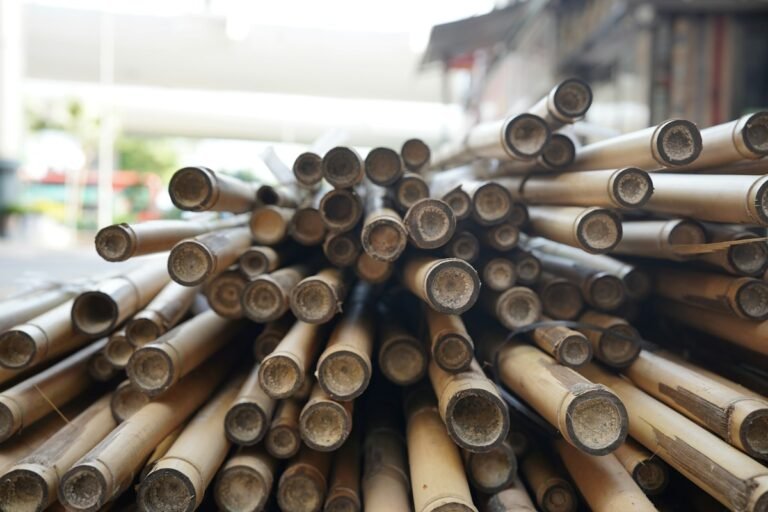
- Bamboo sticks or skewers (Aegle Sriphal’s bamboo homeware range is perfect).
- Jute rope or twine.
- Recycled cardboard or wood offcuts.
- Aluminium foil sheets.
- Clear glass or plastic panels.
- Small solar cells (often found in garden lights).
- Basic craft tools: scissors, non-toxic glue, paint.
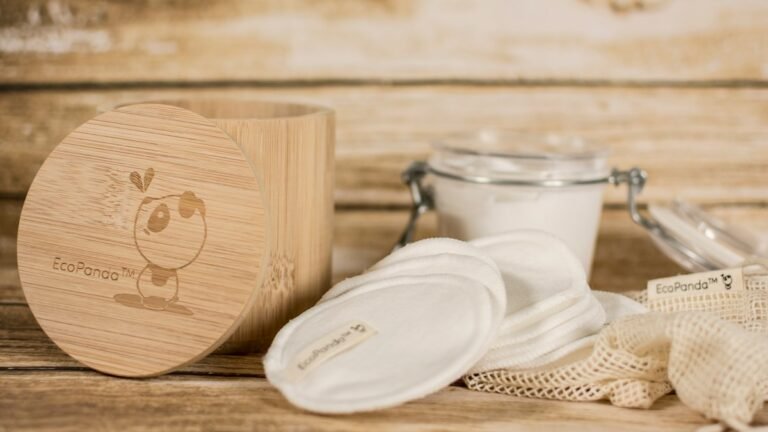
Why bamboo and jute? They are 100% natural, renewable, and biodegradable. Plus, they look great.
Project 1: Bamboo-framed solar oven
Harness the sun to cook s’mores in your garden.
You’ll need:
- A cardboard box (medium size).
- Aluminium foil.
- Glass panel or clear plastic.
- Bamboo sticks for the frame.
- Black paint or dark paper.
- Jute twine.
Steps:
- Line the box’s interior with black paint. Dark surfaces absorb heat.
- Create a slanted top using bamboo sticks. Tie corners with jute twine.
- Cover the top with foil, shiny side up.
- Fix the glass panel on top. Seal edges with extra foil.
- Place s’mores on a black tray inside. Point the oven at the sun.
The result? A DIY solar oven that can reach 65–80°C. Teach kids about conduction and insulation. And enjoy a toasted treat without any electricity.
Project 2: Solar-powered phone charger stand
Charge your phone on sunny days. Teach circuits in action.
Materials:
- Small solar panel (from old garden lights).
- Bamboo dowels for the stand.
- Jute cords for cable management.
- USB charging module.
- Glue and tape.
Steps:
- Mount the solar panel on bamboo dowels. Use jute to secure.
- Attach the USB module behind the panel.
- Guide the charging cable with loops of jute rope.
- Angle the panel toward direct sunlight. Plug your phone in.
This stand shows kids how photons become electrons. A real-life lesson in renewable energy.
Project 3: Mini wind turbine with recycled blades
Not just solar—wind power is another lesson.
What you need:
- Bamboo stick for the tower.
- Recycled plastic bottles or lids for blades.
- Small DC motor (can be from a broken toy).
- Jute twine.
- Wooden base or heavy cardboard.
Steps:
- Cut the bottle into three or four equally sized blades.
- Drill a hole in each blade’s centre. Slide them onto the motor shaft.
- Fix the motor to the top of the bamboo tower with jute.
- Secure the tower to the base.
- As wind blows, the blades spin the motor. Connect wires to a small LED to light up.
Kids learn about the relationship between wind speed and power. And they witness electricity in real-time.
Project 4: Solar water heater with bamboo piping
Warm bath water without a boiler.
Supplies:
- Thin bamboo poles or small pipes.
- Black non-toxic paint.
- Clear plastic sheet.
- Jute rope.
- Water inlet and outlet tubes.
How to build:
- Paint the bamboo poles black. This boosts heat absorption.
- Arrange poles in parallel on a wooden frame. Tie with jute.
- Cover with a clear sheet to trap heat (greenhouse effect).
- Connect inlet and outlet tubes.
- Place under sun. Pump cold water in; warm water comes out.
A simple system that shows heat transfer. Perfect for garden watering or washing.
Tips for a smooth family workshop
- Adult supervision: Always.
- Measure temperatures and record results.
- Encourage questions. Why does the solar oven heat up?
- Decorate projects with eco-friendly paint.
- Reuse and recycle leftover materials.
- Keep it fun—turn learning into a game.
Why choose natural materials?
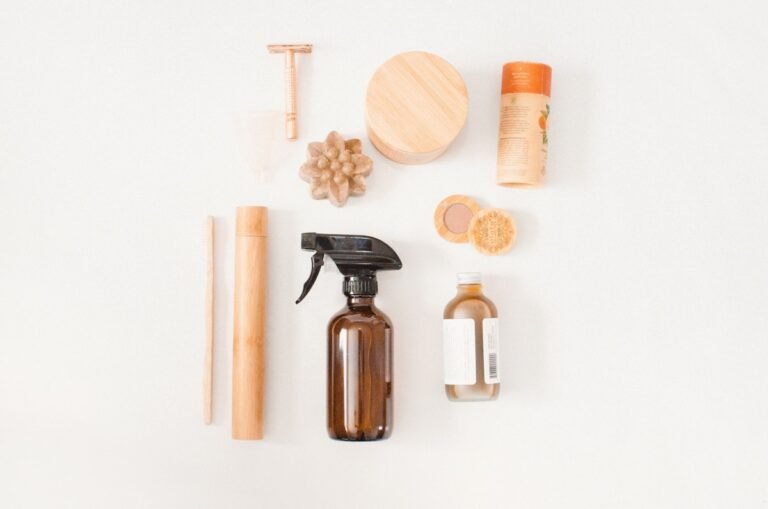
Bamboo and jute aren’t just trendy. They offer real benefits:
- Bamboo grows fast.
- Jute is biodegradable.
- They reduce plastic waste.
- They teach respect for nature.
By using these, your projects become a statement about conscious living.
How Aegle Sriphal supports your green journey
At Aegle Sriphal, we believe in hands-on learning with nature’s best materials.
- 100% natural bamboo sticks, perfect for framing projects.
- Eco-friendly jute twine, strong and biodegradable.
- Innovative designs that blend function with sustainability.
- Plantable pencils and teaching kits to spark curiosity.
Our supplies minimise your carbon footprint. And they encourage sustainable habits. Ready to get started?
Conclusion
There you have it: four easy, educational sustainability projects for families. With bamboo, jute, and a dash of creativity, you’ll:
- Explore solar cooking.
- Build a phone charger powered by the sun.
- Spin up wind energy.
- Heat water the eco-friendly way.
The benefits? Fun weekends, real-world science, and a greener home.
Your next step: head over to Aegle Sriphal to grab your bamboo sticks and jute twine. Let’s build a cleaner future—together.
Start your sustainable adventure today: Explore our eco-friendly materials