Introduction
Natural fiber composites are more than a buzzword. They’re a tangible step toward a greener future. By blending strong, renewable fibers like bamboo and jute with natural binders, these materials rival plastics in strength—yet leave almost no footprint behind. As awareness of sustainability grows, businesses and consumers alike are seeking alternatives to synthetic composites. The good news? Natural fiber composites deliver on performance, style and eco-credentials. And Aegle Sriphal is leading the way with 100% natural, plantable and beautifully designed products.
What Are Natural Fiber Composites?
Simply put, natural fiber composites are materials where natural fibers (bamboo, jute, hemp, flax) work as the reinforcing skeleton, bonded together with bio-resins or plant-based adhesives. They offer:
- High strength-to-weight ratio
- Biodegradability at end-of-life
- Low carbon footprint
- Moisture regulation and breathable qualities
Think of them like reinforced concrete: steel bars in concrete give strength; here, bamboo or jute replace steel, and a natural binder replaces cement. The result? A sustainable, sturdy composite you can mould, weave or press into countless products.
Bamboo Composites: Nature’s Fast-Growing Wonder
Bamboo is a superstar among natural fibers. Why?
- Rapid growth: Some species mature in 3–5 years.
- High tensile strength: Comparable to steel by weight.
- Hollow structure: Light yet resilient.
Processing bamboo into composite form often starts with mechanical defibring—stripping fibres from the culm—then blending with a plant-based binder under heat and pressure. The outcome is a versatile sheet or panel, ideal for:
- Homeware: bowls, trays, cutting boards
- Furniture accents: chair backs, table tops
- Textile blends: yarns for rugs and wall-hangings
At Aegle Sriphal, our bamboo homeware collection marries sleek design with trusty performance. Each piece uses 100% bamboo fibres and a water-based adhesive, ensuring no harsh chemicals sneak into your kitchen or living room.
Jute Composites: The Golden Fibre
Known as the “golden fibre,” jute brings affordability and strength to the composite table:
- Abundant and low-cost: Grown in many regions, supporting local farmers.
- High cellulose content: Gives stiffness and dimensional stability.
- Biodegradable: Breaks down in natural environments.
When jute fibers are layered, pressed and cured with bio-resin, the resulting laminate finds uses in:
- Packaging panels and protective inserts
- Geotextiles for erosion control
- Fashion accessories: handbags, wallets
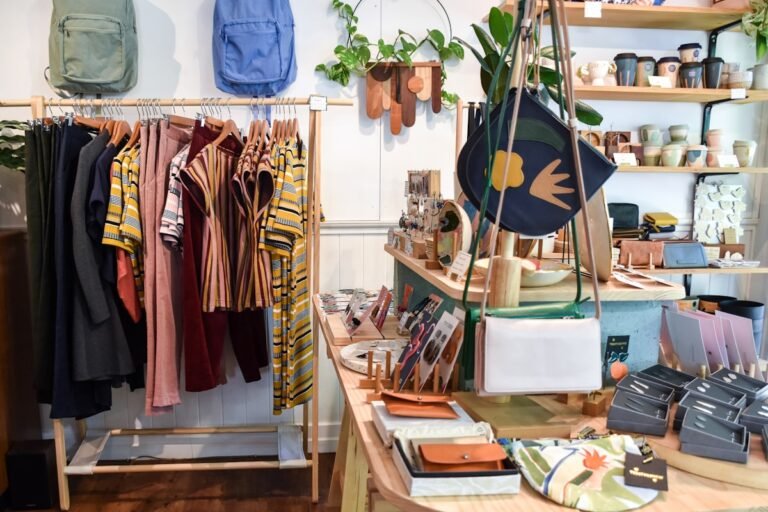
Aegle Sriphal’s jute bags stand out for their robust weave and elegant finish. We use a proprietary pressing method that cuts waste, and our dyes are plant-based. The result? A bag that’s as kind to your style as it is to the planet.
Technology Behind the Composites
Producing high-performance natural fiber composites demands careful technique. Some key steps:
Fibre Preparation
– Mechanical defibring for bamboo
– Carding and combing for juteResin Selection
– Plant-based binders (soy, linseed)
– Water-borne adhesivesForming and Curing
– Low-energy hot pressing
– Controlled humidity drying
Large-scale spunlace lines—often used by industrial players—employ hydroentanglement to tangle fibers for wipes or geotextiles. While that technology excels in high-volume runs, Aegle Sriphal favours artisanal presses and small-batch curing ovens. Why? We minimise energy usage, cut transport emissions and maintain traceability for every batch.
Applications and Performance
Natural fiber composites shine in sectors from home décor to automotive interiors:
- Durability: Moisture-resistant and stable over time.
- Aesthetic: Unique textures, natural hues.
- Acoustic properties: Good sound absorption for panels and partitions.
Compared to plastic composites, natural variants don’t off-gas VOCs. They’re lighter too, which can reduce shipping costs. Imagine a bamboo dining tray that’s as sturdy as melamine but won’t leach microplastics into your food.
Environmental and Economic Impact
Switching to natural fiber composites delivers real benefits:
- Cuts reliance on fossil fuels
- Reduces plastic pollution
- Supports rural economies and SMEs
- Offers compostable or recyclable end-of-life pathways
For small to medium enterprises, integrating these materials can also be a unique selling point. Customers increasingly seek brands with an authentic sustainability story. Aegle Sriphal partners with local cooperatives in Europe and India, ensuring fair wages and transparent supply chains for every bamboo shoot and jute stalk.
Tips for SMEs and Consumers
Whether you run a boutique design studio or decorate your home, here are practical steps:
- Look for certified origins: guarantee fibre comes from responsibly managed forests or farms.
- Ask about resin type: prefer plant-based or water-borne adhesives.
- Check end-of-life options: can you compost, recycle or upcycle the item?
- For DIY: start small. Press bamboo veneer between weighted boards with natural glue. Let it dry for 48 hours, sand it smooth—and voilà, your own mini-composite sample.
Future Trends and Innovations
The momentum behind natural fiber composites isn’t slowing. Watch for:
- Hybrid blends: combining hemp, flax and bamboo for tailored strength.
- Nano-cellulose enhancements: ultra-strong, ultra-light panels.
- Fire-resistant bio-treatments: making composites safe for public buildings.
Aegle Sriphal is already prototyping plantable pencils with a bamboo core. When the pencil’s life ends, you can plant it—the ferrule and binder biodegrade, and the seed capsule sprouts herbs or wildflowers.
Conclusion
Natural fiber composites are not just eco-friendly—they’re smart. They match many performance metrics of synthetics, while honouring our planet and supporting communities. From bamboo serving boards to jute carryall bags, Aegle Sriphal’s range highlights the best of these materials. Ready to make the switch? Discover how natural fiber composites can transform your product line—or your living room—by exploring our full collection.
Call to Action:
Explore durable, eco-friendly natural fiber composites at Aegle Sriphal and take your first step toward a greener tomorrow:
https://aeglesriphal.com/