Why Natural Building Solutions Matter
- Lower embodied energy: Minimal manufacturing, minimal waste.
- Better indoor air: No off-gassing from toxic chemicals.
- Renewable resources: Harvest, regrow, repeat.
- Carbon storage: Plants lock in CO₂, even after harvest.
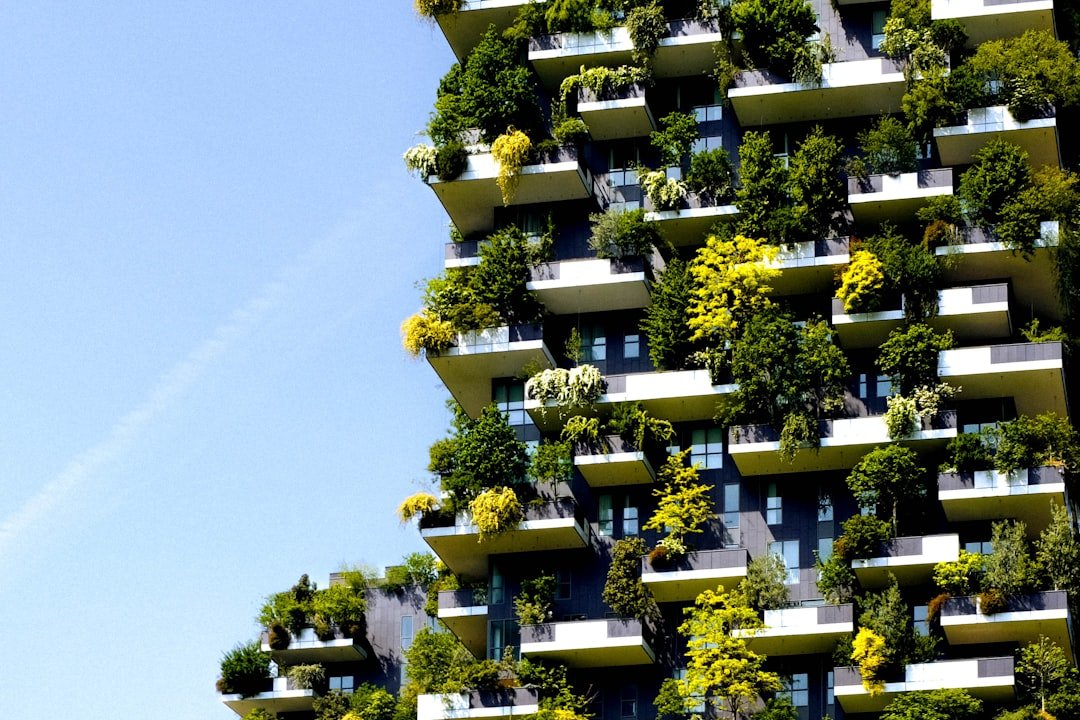
The takeaway? Natural building solutions help you cut your environmental footprint and deliver healthier buildings—without compromising on style or durability.
How We Picked Our Top Materials
We evaluated each material against key sustainability criteria:
- Renewability – Can it regrow quickly?
- Embodied energy – How much energy does it take to produce?
- Durability – Will it stand the test of time?
- End-of-life – Recyclable or biodegradable?
With those in mind, here are our ten favourites.
1. Bamboo
Bamboo is a superstar of natural building solutions. It matures in just 3–5 years, compared to decades for most hardwoods. Its hollow, fibrous structure delivers:
- High tensile strength—rivals steel in tension.
- 100% biodegradability—no landfill waste.
- Antibacterial properties—ideal for humid climates.
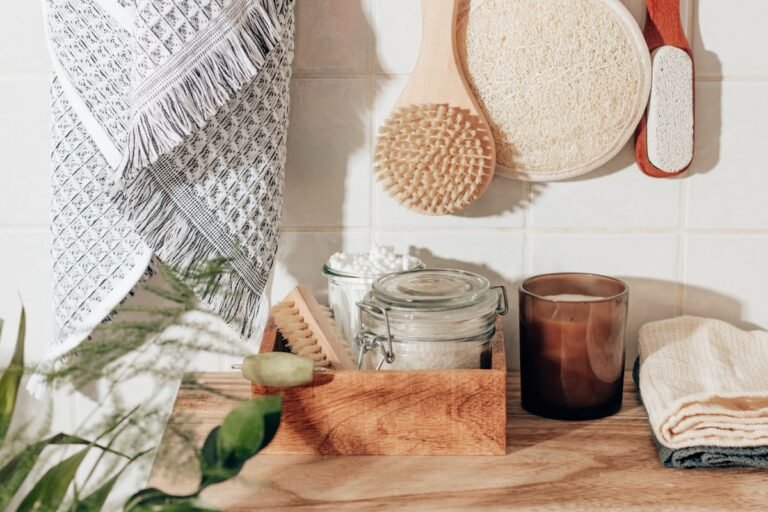
At Aegle Sriphal, our Bamboo Homeware collection turns this marvel grass into elegant shelving, planters and tableware. Each piece is crafted from sustainably harvested culms, ensuring zero chemical treatments and a pure natural finish.
2. Jute
Often called the “golden fibre,” jute grows rapidly in South Asia and requires no pesticides. In building, it shines as:
- Insulation—jute batts trap air and stabilize temperature.
- Geotextiles—prevent soil erosion on slopes.
- Composites—mixed with lime or clay for lightweight panels.
Our Jute Eco-Accessories range at Aegle Sriphal uses this versatile fibre for rugs, wall coverings and even plantable pencil sleeves. You get warmth, texture and renewable flair in every product.
3. Cob
Cob is the original earth-based building material. A mix of subsoil, straw and water, it forms sculptural walls with:
- Natural thermal mass—keeps interiors cool in summer, warm in winter.
- Form-freedom—mould curves, niches and organic shapes on the fly.
- Longevity—some cob buildings have stood for over 1,000 years.
If you’re aiming for bespoke curves and ultra-low energy bills, cob is a no-brainer. Just grab some clay-rich soil and long straw—and start sculpting.
4. Straw Bales
Straw bales are more than farm waste. Compressed into walls or panels, they deliver:
- R-values up to R-50 in a single course.
- Biodegradable—compost or mulch them at end-of-life.
- Local sourcing—often right off the farm.
Pro tip: Combine straw bale walls with a lime render for improved fire resistance and moisture control.
5. Sheep’s Wool
Wool insulation harnesses those tiny air pockets in fleece fibers to trap heat. Benefits include:
- Moisture regulation—absorbs and releases humidity.
- Natural fire retardant—resists ignition.
- Circular economy—wool comes from regular sheep shearing.
It’s perfect in lofts, stud walls and underfloor pads. Plus, it’s a cosy bonus for anyone who loves a soft, natural touch.
6. Cork
Harvested from the bark of cork oak, this material is:
- Renewable—trees are never cut down.
- Moisture-resistant—ideal for damp spaces.
- Acoustic—tames noise in apartments and offices.
Cork panels make elegant wall linings, floors and acoustic boards. And each harvest actually boosts tree health and carbon uptake.
7. Reclaimed Wood
Wood’s carbon storage continues even after harvest—if you reclaim it. Reused beams, floorboards and joinery:
- Slash deforestation by giving old timber new life.
- Add character—knots, patina and history speak volumes.
- Lower transport impact—often sourced within 50 km of site.
Look for FSC-certified salvage yards and timber drop-offs to keep your project as green as possible.
8. Clay Bricks
Traditional clay bricks are baked from earth and water only. They provide:
- Thermal mass—stabilise interior temperature swings.
- Longevity—centuries of service with minimal maintenance.
- Recyclability—crush old bricks into sub-bases or new units.
They may look old-school, but clay bricks are timeless in performance and eco-credentials.
9. Mycelium
This fungus-based biomaterial is grown into custom shapes using agricultural waste. Mycelium blocks offer:
- Lightweight insulation—R-values comparable to foam.
- Fire and pest resistance—a natural defence mechanism.
- Compostable—simply return to soil at end-of-life.
Early adopters use mycelium for panels, door cores and even furniture—proof that natural building solutions can be cutting-edge.
10. Timbercrete
Timbercrete blends sawdust with cement to cut concrete’s carbon footprint by up to 70%. It’s:
- Lighter than brick—easy to handle on site.
- Better insulator—reduced heating and cooling loads.
- Durable—resists weathering and decay.
Use Timbercrete blocks for non-loadbearing walls, landscaping features and acoustic barriers.
How Aegle Sriphal’s Eco-Friendly Solutions Stand Out
At Aegle Sriphal, our mission is to make natural building solutions accessible and beautiful. Here’s how we do it:
- 100% Natural Materials – From raw bamboo culms to unbleached jute fibres.
- Eco-Friendly Production – Low-impact processes, minimal waste.
- Innovative Designs – Functional homeware meets sustainable style.
- Plantable Products – Pencils you can pop in soil and watch grow.
- Community Engagement – Workshops, digital guides and a growing eco network.
Whether you’re an SME architect, a DIY enthusiast or a sustainability-driven homeowner, our products let you build and decorate with confidence—knowing each choice supports a greener future.
Practical Tips for Using Natural Building Materials
- Local is better: Source materials within your region to cut transport emissions.
- Test moisture: Some natural fibres need vapour barriers or breathable membranes.
- Combine wisely: Pair high-mass materials (cob, brick) with insulation (wool, straw).
- Protect and maintain: Simple lime or plant-based oils keep wood and cork looking fresh.
- Plan end-of-life: Design for disassembly. Let materials return to the earth.
By following these steps, you’ll get the best performance and longevity from your natural building solutions.
Overcoming Challenges
Natural materials can face hurdles like higher upfront costs or limited contractor expertise. Here’s how to tackle them:
- Budget for skill: Train a small crew in straw-bale or cob techniques—it pays off in quality and waste reduction.
- Mix and match: Use a hybrid approach—standard framing plus natural insulation reduces risk.
- Leverage grants: Many European programmes subsidise sustainable construction.
A little forethought turns potential obstacles into creative opportunities.
The Future of Natural Building Solutions
Innovation never sleeps. Look out for:
- Bio-composites made from algae and hemp.
- 3D-printed earth and fibre structures.
- Smart natural panels that regulate humidity and monitor air quality.
These breakthroughs will make natural building solutions more affordable, resilient and high-performing than ever.
Building with nature isn’t a niche—it’s the foundation of our sustainable tomorrow. By choosing bamboo, jute and the nine other eco-friendly materials above, you cut carbon, save energy and craft spaces that feel alive.
Ready to make the switch?
Visit Aegle Sriphal’s shop to explore our Bamboo Homeware, Jute Eco-Accessories and more:
https://aeglesriphal.com/
Let’s build a greener future—one natural building solution at a time.