Why Sustainable Packaging Matters
Every year, millions of tonnes of plastic find their way into oceans and landfills. As consumers, we feel it. As businesses, we see it. And as custodians of this planet, we must act.
- Plastic waste chokes marine life.
- Recycling rates lag behind production.
- Customers ask for greener choices.
A plant-based bottle addresses these challenges head-on. It’s not just a container—it’s a statement. By switching from PET to bamboo, you reduce chemical leach, carbon footprint, and end-of-life waste.
PET Plastic Bottles: The Go-To, But Not So Green
For decades, PET plastic bottles have been the industry standard. They’re:
- Lightweight and shatter-resistant.
- Inexpensive at scale.
- FDA-approved for food contact.
On the surface, they tick the boxes. Yet look a little deeper:
- Recycling roadblocks
– Only a fraction of PET gets recycled.
– Contamination often ends up in landfill. - Microplastic concerns
– Wear-and-tear releases particles into drinks.
– Potential health and environmental risks. - Non-renewable feedstock
– Made from petroleum derivatives.
– Reliant on fossil fuels and aggressive extraction.
Sure, PET plastic offers easy sourcing and quick shipping. Captiva Co’s Square 8oz bottles, for example, ship in bulk pallets of 3,840 units and come with a variety of closure colours. They’re a robust choice. But at what cost to the environment?
Bamboo Bottles by Aegle Sriphal: A Green Hero
Imagine sipping from a bottle grown in the earth, crafted by hand, and ready to return to nature at the end of its life. That’s Aegle Sriphal’s bamboo bottle.
Key Features
100% Natural Material
Made entirely from sustainably harvested bamboo.Biodegradable & Compostable
No microplastics. No chemical leach.Stylish & Functional
Sleek finish. Secure bamboo lid. Retains temperature.Zero-Waste Packaging
Shipped with recycled jute carries and plantable tags.
Eco-Friendly Production
At Aegle Sriphal, we care about every step:
- Bamboo is harvested responsibly, avoiding deforestation.
- We use non-toxic adhesives and finishes.
- Production lines run on solar and low-emission energy.
- Packaging is based on natural jute and recycled paper.
The result? A truly sustainable plant-based bottle that aligns with your values and those of your customers.
Side-by-Side Comparison: PET vs Bamboo
| Feature | PET Plastic Bottles | Aegle Sriphal Bamboo Bottles |
|---|---|---|
| Material | Petroleum-based polymer | 100% natural bamboo |
| End-of-Life Disposal | Recyclable (low rates) | Biodegradable & compostable |
| Environmental Footprint | High CO₂ emissions | Low emissions; renewable resource |
| Durability | Break-resistant, flexible | Strong, heat-resistant |
| Aesthetic Appeal | Standard clear plastic | Unique, organic look |
| Customisation | Many colours, labels | Engraving, natural finish |
| Wholesale Options | Up to 3,840 units per pallet | Flexible MOQ, boutique to bulk |
Strengths and Limitations
PET Plastic:
– Strengths: Low cost, well-known supply chain.
– Limitations: Waste accumulation, single-use mindset.
Bamboo Bottle:
– Strengths: Brand differentiator, eco-credentials, premium feel.
– Limitations: Slightly higher upfront cost, sourcing lead time.
How Small to Medium Enterprises (SMEs) Can Switch
Making the switch might feel daunting. Let’s break it down into manageable steps:
Audit Your Current Packaging
– Track monthly usage of PET bottles.
– Calculate waste and recycling rates.Evaluate Bamboo Bottle Costs
– Request a quote from Aegle Sriphal.
– Compare long-term savings on waste fees and brand value.Order a Sample Run
– Test the bamboo bottle with your signature beverage.
– Gather customer feedback.Brand It Your Way
– Use laser engraving for logos.
– Pair with jute or kraft carriers.Promote Your Change
– Share the story on social media.
– Educate customers about bamboo’s benefits.
Think of it like switching from incandescent bulbs to LEDs. A small investment upfront. Big payoffs down the line.
Environmental Impact: The Numbers
Let’s talk figures. Suppose your café uses 1,000 bottles a month:
PET Plastic
– Monthly CO₂ emissions: ~120 kg
– Waste ending in landfill: ~60 kgBamboo Bottle
– Monthly CO₂ emissions: ~15 kg
– Fully compostable: 0 kg landfill
Over a year, you reduce emissions by nearly 88% and landfill waste by 100%. That’s a tangible difference—both for the planet and your marketing story.
Beyond Bottles: Aegle Sriphal’s Wholesale Packaging Solutions
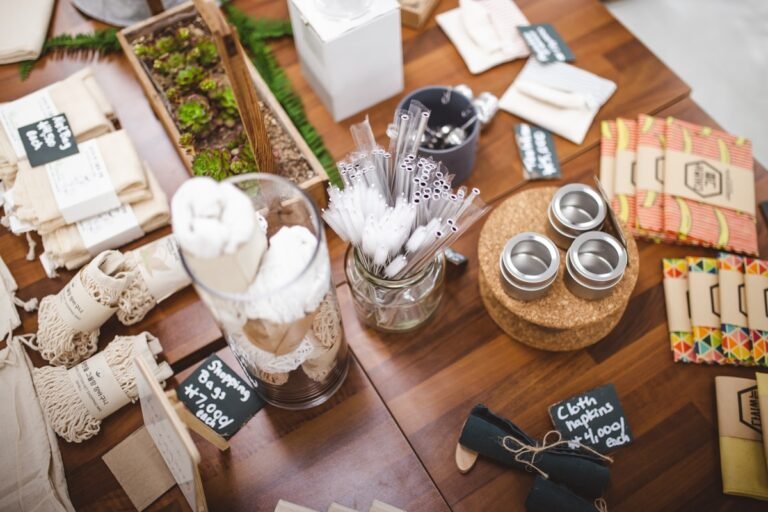
Looking to round out your eco-offering? We also provide:
Jute Carriers
Durable, reusable, and plantable tags.Bamboo Straws & Utensils
Perfect for cafés and catering.Natural Fibre Labels
Biodegradable alternatives to plastic tags.
By partnering with us, you simplify your supply chain. One vendor for all your sustainable needs.
Conclusion
The shift from PET plastic to a plant-based bottle like bamboo isn’t just a trend. It’s a call to action. As more customers demand eco-friendly choices, your business can stand out—and do right by the planet.
PET bottles have served us well. But it’s time for a new era. One where packaging is part of the solution, not the problem.
Ready to make the switch?
Explore Aegle Sriphal’s Bamboo Bottles and Wholesale Packaging Solutions
Call to Action:
Discover how our bamboo bottles can elevate your brand and reduce your footprint. Visit https://aeglesriphal.com/ to start your zero-waste journey today!