The Plastic and Glass Problem in Beauty Packaging
- Over 150 billion units of primary packaging are produced annually in beauty and personal care.
- Glass manufacturing requires high heat and energy, driving up carbon emissions.
- Recycling rates for cosmetic bottles hover below 30% in Europe.
- Breakage and weight add shipping costs and environmental impact.
The good news? You can break the cycle. By adopting eco-friendly beauty containers, you reduce waste, cut carbon footprints and delight eco-conscious customers.
Why Glass Bottles Aren’t the Perfect Answer
Glass feels premium. It looks chic. Yet:
- Energy-intensive production
- Heavy weight – higher transport emissions
- Fragile – risk of breakage
- Limited biodegradability
- Often combined with plastic or metal components
Even if you choose luxury glass perfume bottles with metallic foiling or frosted finishes, the core issue remains: you rely on a non-renewable resource.
Packamor’s Glass Perfume Bottles: A Quick Look
Packamor has built a reputation on wholesale glass containers. Their range includes:
- 2 ml–50 ml glass perfume bottles with spray atomisers
- Matte-black, silver or gold caps
- Custom printed labels, metallic foiling and glass frosting
- Flexible MOQs (from 70 units) and guaranteed stock
- 24×7 support panels
Strengths of Packamor
- Wide variety of shapes and finishes.
- Fast shipping and reliable inventory.
- Customisation options for foiling, printing and colours.
- Competitive pricing at scale.
Limitations of Glass Packaging
- High carbon footprint in manufacturing.
- Fragility adds risk and replacement cost.
- Limited end-of-life options; glass requires energy-intensive recycling.
- Heavy bulk increases transport emissions and costs.
In short: Packamor excels at glass, but it doesn’t solve the sustainability puzzle.
Aegle Sriphal’s Bamboo & Cork Containers: A Greener Choice
At Aegle Sriphal, we use 100% natural materials—bamboo, cork and jute—to craft beauty and personal care packaging. Every container is:
- Biodegradable and compostable
- Lightweight yet durable
- Sourced from renewable forests and cork oak trees
- Free of plastic liners or metal parts
Natural Materials, Modern Design
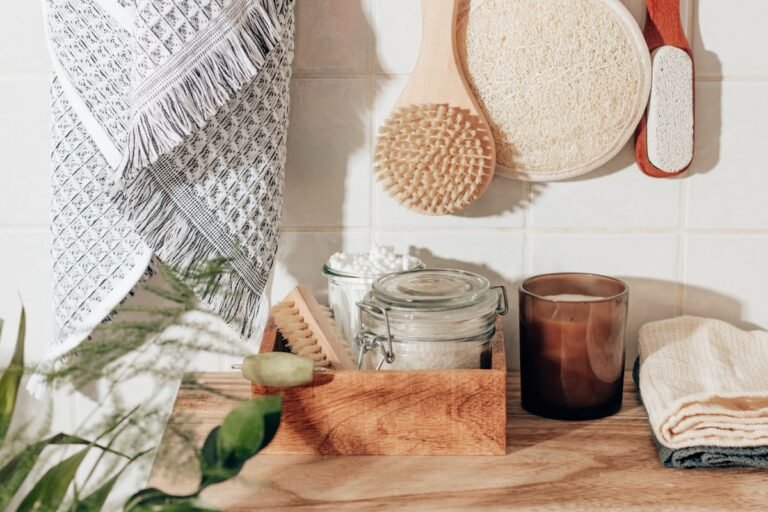
Imagine a sleek bamboo lotion bottle with a cork top. Or a compact travel jar wrapped in jute fibre. Aegle Sriphal blends functionality with an earthy aesthetic. Your brand gets an eco-chic makeover.
Benefits of Bamboo & Cork
- Rapid renewability: bamboo can grow up to one metre a day.
- Carbon sequestration: cork oak forests absorb CO₂.
- Zero-waste production methods.
- Plantable product tags that sprout wildflowers.
- Community-driven packaging programmes and education kits.
Switching to these eco-friendly beauty containers shows customers you mean business—sustainability business.
Side-by-Side Comparison
Let’s stack Packamor’s glass solutions against Aegle Sriphal’s bamboo & cork designs.
| Feature | Packamor (Glass) | Aegle Sriphal (Bamboo & Cork) |
|---|---|---|
| Material Source | Silica, sand, soda ash (mined) | Renewable bamboo, cork oak bark |
| Production Impact | High energy, CO₂-heavy | Low energy, eco-friendly harvest |
| Weight & Shipping | Heavy, breakage risk, higher cost | Lightweight, sturdy, cost-efficient |
| End-of-Life | Recyclable but energy-consuming | Biodegradable, compostable |
| Design Variety | Colours, foiling, labels | Natural textures, plantable tags |
| MOQ & Stock | From 70 units, guaranteed | Flexible batches, small & medium brands |
| Customisation | Glass frosting, metallic foils | Eco-inks, laser engraving |
| Community Engagement | Limited | Workshops, tree-planting campaigns |
Notice the difference? Aegle Sriphal not only lowers your footprint but turns your packaging into a story—one your customers can feel proud of.
Tips for Choosing the Best Eco-Friendly Beauty Containers
- Assess your product needs
– Do you need a spray atomiser? A roll-on cap? A screw-top jar? Bamboo adapters can fit standard dispensers. - Check renewable credentials
– Bamboo, cork and jute must be sourced ethically. Look for certifications or ask suppliers about harvest practices. - Test durability
– Drop-test your samples. Natural materials can be surprisingly tough. - Prioritise low-impact printing
– Water-based inks and laser engraving avoid harmful solvents. - Educate your customers
– Include a tag explaining how to compost or reuse the container.
Applying these steps ensures you pick true eco-friendly beauty containers, not just “greenwashed” packaging.
Bringing Sustainability to Your Brand
Launching or refreshing a beauty line? Here’s a quick roadmap:
- Audit your current packaging
– Calculate weight, material mix and end-of-life scenario. - Set clear goals
– Reduce plastic by 80%. Switch 100% to plant-based cork lids. - Partner with Aegle Sriphal
– Order small test batches. Customise bamboo shapes. Select jute wraps. - Pilot with loyal customers
– Gather feedback on look, feel and functionality. - Launch with a story
– Use social media to highlight your switch. Show behind-the-scenes harvest. Invite community planting days.
It’s not just packaging. It’s an invitation to join a movement.
Why Choose Aegle Sriphal Over Glass-Only Providers?
- True sustainability: from forest to finish.
- Innovative designs that resonate with eco-minded consumers.
- Community impact through education and planting programmes.
- Flexible production for SMEs – no huge MOQs required.
- 100% natural materials with zero-waste methods.
Still on the fence? Remember: switching away from glass isn’t a downgrade. It’s a step up—for your brand’s values and the planet.
Ready to transform your personal care line with genuine eco-friendly beauty containers?
Visit Aegle Sriphal today and explore our range of bamboo, cork and jute packaging solutions.