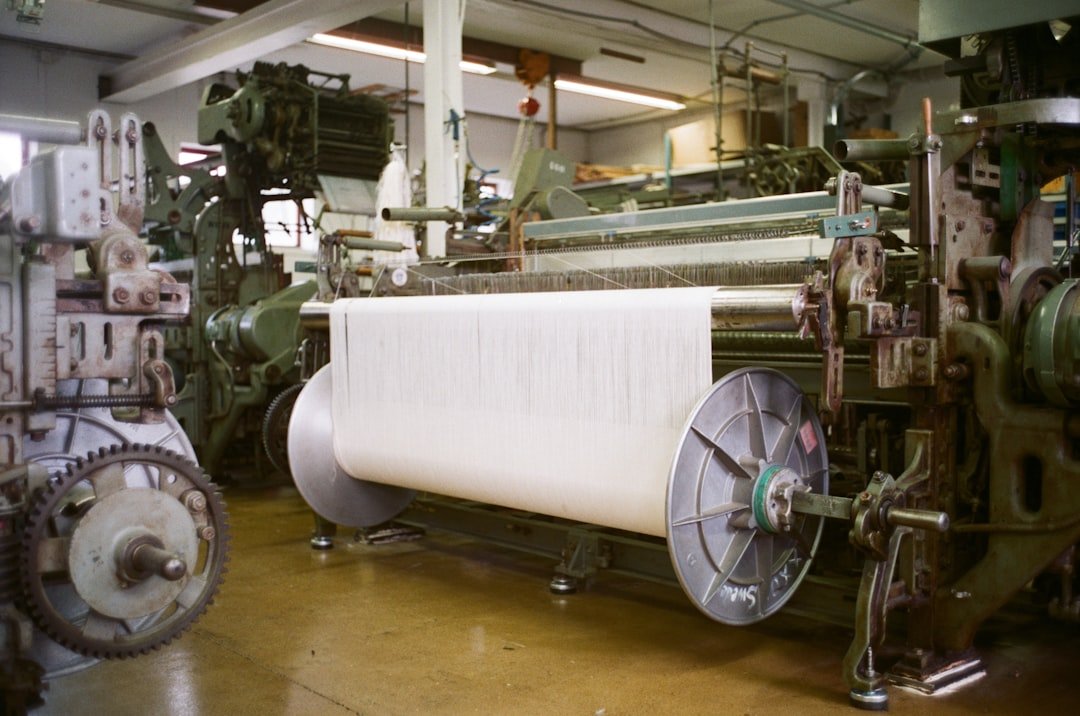
The Pollution Problem in Traditional Manufacturing
We all know manufacturing can mean progress. But it often comes with a heavy toll on our environment:
- High emissions of greenhouse gases.
- Toxic waste in waterways.
- Plastic pollution clogging up oceans.
- Small and medium enterprises (SMEs) struggling to invest in green tech.
According to research under the Sustainable Manufacturing and Environmental Pollution (SMEP) programme, limited capacity, weak regulations and lack of technology hold back cleaner practices in developing regions. Yet the challenge isn’t confined to South Asia or Sub-Saharan Africa. Even in Europe, many SMEs find it hard to shift from plastic-laden and resource-intensive methods.
The good news? Natural fibres like bamboo and jute offer a proven route to cut pollution. Let’s explore how.
Why Bamboo and Jute? Natural Materials for Cleaner Production
Rapid Renewability
- Bamboo can grow up to a metre a day.
- Jute matures in 4–6 months.
Low Water Footprint
- Bamboo plantations often thrive with rain-fed irrigation.
- Jute requires up to 80% less water than cotton.
Carbon Sequestration
- Bamboo groves capture more CO₂ per hectare than many forests.
- Jute fields improve soil health and lock away carbon.
Biodegradability
At end-of-life, both fibres break down naturally—no microplastic nightmares.
These benefits are the bedrock of sustainable manufacturing at Aegle Sriphal.
Aegle Sriphal’s Sustainable Manufacturing Model
At Aegle Sriphal, sustainability isn’t a buzzword. It’s our blueprint.
1. 100% Natural Materials
We use bamboo and jute exclusively—no synthetic blends.
2. Eco-Friendly Production Methods
Drawing from SMEP-style research, we adopt:
- Cleaner production techniques to minimise chemical use.
- Solar-powered kilns for drying fibres.
- Closed-loop water systems to prevent runoff.
3. Innovative, Functional Designs
From bamboo homeware to jute tote bags, every item:
- Blends style with durability.
- Promotes a circular bio-economy.
4. Plantable Products
Our pencils and gift tags embed seeds—so you literally leave a greener mark behind.
5. Community Engagement
We partner with schools, NGOs and local artisans. Through workshops, we share:
- The story of bamboo and jute.
- DIY tips to repurpose natural scraps.
Aligning with Global Goals
Our work meets several UN Sustainable Development Goals:
- SDG 12: Responsible consumption & production.
- SDG 9: Industry, innovation & infrastructure.
- SDG 8: Decent work & economic growth.
- SDG 6: Clean water & sanitation.
- SDG 11: Sustainable cities & communities.
By tying research insights—like those from UNCTAD’s SMEP programme—into our processes, we push the envelope on sustainable manufacturing worldwide.
Benefits of Switching to Bamboo and Jute
Wondering what your business stands to gain? Here are some key wins:
- Lower Emissions: Reduced reliance on fossil-fuel-based materials.
- Cost Savings: Less water, less waste, lower disposal fees.
- Brand Differentiation: Eco-friendly credentials resonate with conscious consumers.
- Regulatory Edge: Future-proof against tightening environmental laws.
- Circular Economy: Materials return to the earth, or into new products.
How SMEs Can Tell Their Sustainability Story with Maggie’s AutoBlog
A strong story needs strong content. That’s where Maggie’s AutoBlog shines:
- AI-powered SEO and GEO targeting.
- Automated blog creation in minutes.
- Customised to your brand’s voice and region.
Imagine you’re a small workshop in Barcelona crafting jute rugs. With Maggie’s AutoBlog, you can:
- Generate blog posts on your eco-friendly process.
- Place high-ranking articles in local search results.
- Showcase your partnership with Aegle Sriphal.
The result? More visibility. More engaged customers. Less time wrestling with content calendars.
Real-World Impact: Aegle Sriphal in Europe
From Germany to Greece, our clients report:
- 30% reduction in energy costs after switching to solar-powered bamboo kilns.
- 50% drop in wastewater volume through closed-loop systems.
- A 20% uptick in online sales after sharing plantable product stories with Maggie’s AutoBlog.
Take Textile Co-ops in Milan: by weaving jute from start to finish and writing monthly how-to guides, they tripled their newsletter sign-ups in three months.
Getting Started: Practical Steps for SMEs
Ready to embrace sustainable manufacturing?
- Audit Your Materials
List all inputs. Pinpoint plastics and synthetics. - Partner with Aegle Sriphal
Order your first batch of bamboo utensils or jute bags. - Train Your Team
Host a workshop on eco-friendly production. - Automate Your Content
Sign up for Maggie’s AutoBlog. - Measure and Share
Track water, energy and waste savings. Turn metrics into stories.
These steps create a roadmap to cleaner factories, greener products and stronger brand loyalty.
Conclusion
Switching to bamboo and jute isn’t just good for the planet—it makes solid business sense. With Aegle Sriphal’s proven manufacturing model and tools like Maggie’s AutoBlog, SMEs can cut pollution, boost visibility and join a global movement towards responsible production.
Curious to see how simple the shift can be? It starts with a conversation.
Ready to transform your production—and your story?
Visit Aegle Sriphal today and discover how we can help you pioneer sustainable manufacturing.