The Rise of Sustainable Manufacturing: Trends From Global Forums
Conferences like the 22nd Global Conference on Sustainable Manufacturing showcase the latest strides in the field. Since 2003, GCSM has connected academics, researchers and industry leaders. They tackle challenges—from climate change to resource shortages. Here are three emerging trends:
1. Circular Economy Takes Centre Stage
- Waste as a resource. Manufacturers design with end-of-life in mind.
- Closed-loop systems. Materials get reused or recycled, not dumped.
- Product-as-a-service models. Companies lease items, then reclaim and refurbish them.
Why it matters: Cutting waste lowers costs and carbon footprints. Plus, customers crave transparency and traceability.
2. Green Supply Chain Optimisation
- Renewable energy integration. Factories run on solar, wind or bioenergy.
- Local sourcing. Shorter transport distances reduce emissions.
- Digital tracking. IoT sensors report real-time energy and water use.
Why it matters: Supply chain emissions account for up to 80% of a product’s footprint. Small changes can yield big gains.
3. Skill Development and Education
- Workforce training on sustainable techniques.
- University-industry partnerships. Research labs pilot low-impact processes.
- Online symposia and workshops. Knowledge exchange goes virtual.
Why it matters: Even the best technology needs skilled operators. Investments in people ensure lasting impact.
Spotlight on the 22nd Global Conference on Sustainable Manufacturing
This year’s GCSM landed in Colombo, Sri Lanka, from September 23–25, 2026. Hosted by the University of Moratuwa alongside the Technical University of Berlin and Fraunhofer IPK, the forum tackled:
- Bridging awareness and action. How can engineers move from ideas to measurable impact?
- Circular technology and economy. Practical case studies from emerging markets.
- Education for sustainable manufacturing. Workforce development in Asia, Europe and beyond.
- Prudent use of natural resources. Strategies for water, energy and raw material efficiency.
Attendees leave with a toolkit of methods. But implementing them on the factory floor can feel daunting. That’s where a brand like Aegle Sriphal steps in.
Aegle Sriphal: Turning Trends into Action
Sustainable manufacturing isn’t abstract for us. It’s our day-to-day. We built our eco-innovation on five pillars:
- 100% natural materials
- Eco-friendly production methods
- Innovative, functional design
- Plantable products for hands-on education
- Strong community engagement
Here’s how we bring each trend to life.
Our Circular Approach with Bamboo and Jute
Bamboo and jute are naturally regenerative. We source from certified plantations that replenish faster than they’re harvested. Our process:
- Harvesting: We partner with smallholder farmers in Europe and Asia.
- Processing: Factories run on solar and low-impact water treatment.
- Manufacturing: Leftovers aren’t landfill fodder; they become raw material for other items.
- Return Scheme: We invite customers to send back worn-out goods for composting or repurposing.
This closed-loop model slashes waste and gives materials a second life. It mirrors the circular principles highlighted at GCSM.
Innovative Product Range
Our eco-innovations aren’t just sustainable—they’re delightful to use. A snapshot:
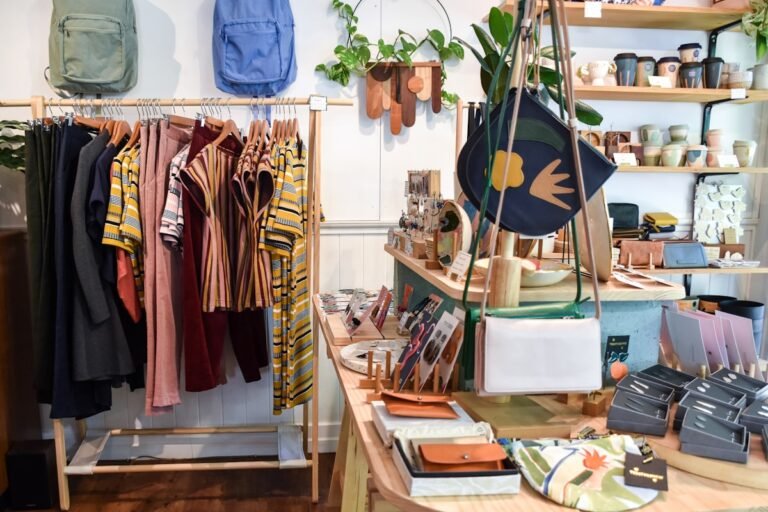
- Bamboo Homeware: Sleek bowls, utensils and décor that replace plastic and ceramic.
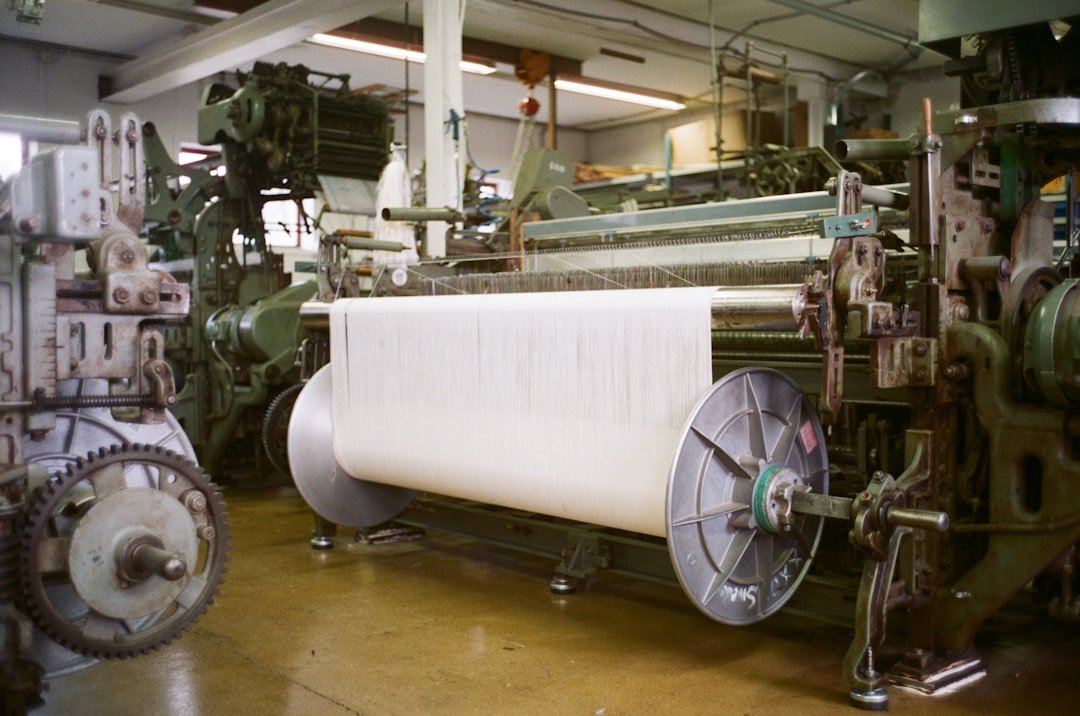
- Jute Collections: Stylish bags and storage solutions crafted on traditional looms.
- Plantable Pencils: Write, then plant the stub and watch wildflowers grow.
Each item reflects careful design. We blend functionality with eco-credentials. And we document every step online, so you know exactly how your product was made.
Community Engagement and Education
Education fuels action. We run:
- Workshops for schools on zero-waste practices.
- Webinars featuring industry experts from GCSM and beyond.
- Collaborations with NGOs to plant bamboo groves in urban areas.
Our plantable pencils aren’t just pretty novelties. They spark conversations about life cycles and regeneration—core topics at sustainable manufacturing forums.
How Aegle Sriphal Aligns with Global Best Practices
Let’s map GCSM’s highlights to our model:
- Circular economy → Closed-loop bamboo and jute systems
- Green supply chain → Solar-powered processing, local sourcing
- Workforce education → School workshops and industry webinars
- Prudent resource use → Water-efficient dyeing, low-energy machinery
We don’t just talk sustainability. We measure water and energy savings. We track returned products. And we publish results in our annual sustainability report.
Practical Steps for SMEs to Embrace Sustainable Manufacturing
You don’t need a global conference to get started. Here are three actionable tips:
Audit your resources
– Measure energy and water use this quarter.
– Identify the top three waste streams.Choose natural, local materials
– Swap plastic components for bamboo or jute.
– Partner with nearby suppliers to cut transport emissions.Engage your team and community
– Host a zero-waste challenge.
– Offer plantable giveaways to spark curiosity.
These steps mirror the journey we’ve taken at Aegle Sriphal. Start small. Scale steadily. The outcome? A leaner, greener operation.
Looking Ahead: The Future of Sustainable Manufacturing in Europe
The market for green products is projected to hit $300 billion globally by 2025. Europe leads the way with strict regulations and consumer demand. By 2030, expect:
- Stricter reporting on carbon and water footprints
- Tax incentives for circular practices
- Mainstream adoption of renewable-powered factories
At Aegle Sriphal, we’re ready. We’ll keep refining our bamboo and jute lines. We’ll expand our return-for-recycle programme. And we’ll continue championing sustainable manufacturing at every level.
Conclusion
Sustainable manufacturing isn’t a one-off project. It’s an evolving practice. From the global stage at GCSM to your own workshop, every step counts. At Aegle Sriphal, we’ve woven circular principles into our bamboo and jute products. Now it’s your turn to join the movement.
Ready to make the switch?
Head over to https://aeglesriphal.com/ and explore our eco-innovations today.