Why Compare Digital and Physical Approaches?
Today’s industry often hinges on software solutions. Take DELMIA’s virtual twin experience:
– Optimise materials usage
– Slash waste by up to 50%
– Track KPIs in real time
Impressive, right? But there’s a catch: it remains a simulation until you choose natural materials. That’s where many digital-first strategies fall short. They help you plan—but they don’t always ensure you’re using 100% natural inputs. Let’s see how these two paths measure up.
Side-by-Side: DELMIA vs Aegle Sriphal
| Feature | DELMIA (3DS) | Aegle Sriphal |
|---|---|---|
| Core Approach | Virtual twin, data-driven | Hands-on bamboo & jute processing |
| Resource Optimisation | Digital simulation | Lean harvesting & low-impact milling |
| Material Basis | Any industrial raw material | 100% natural bamboo and jute |
| Waste Reduction | Process redesign | Zero-chemicals, biodegradable scraps |
| Community Engagement | Internal dashboards | Local artisans, environmental workshops |
| Scalability | Enterprise software licence | Modular workshops + SME partnerships |
| Cost Structure | Subscription + integration fees | Transparent manufacturing pricing |
| Circular Economy Focus | Product lifecycle modelling | Plantable products & compostable waste |
| Real-World Impact | Planning efficiency | Tangible eco-friendly goods |
It’s clear: while software solutions like DELMIA excel in digital resource planning, Aegle Sriphal’s bamboo and jute processes bring sustainability to life.
The Strengths and Shortcomings
DELMIA’s Virtual Twin
Strengths:
– Rapid simulation of production lines
– Insightful KPIs for energy and waste
– Proven circular-economy frameworks
Limitations:
– High implementation costs for SMEs
– Doesn’t guarantee natural inputs
– Lacks on-ground community ties
Aegle Sriphal’s Physical Process
Strengths:
– 100% natural materials with zero synthetic additives
– Eco-friendly production from harvest to shipment
– Innovative, plantable end-products for education
– Strong community networks in Europe and India
Challenges:
– Higher per-unit cost compared to plastic goods
– Scaling artisan workshops can be resource-intensive
So, software gives you the map. Aegle Sriphal hands you the boots to walk the path.
How Aegle Sriphal’s Bamboo Workflow Works
Harvesting & Sorting
– Local farmers hand-pick mature bamboo stalks.
– Strict quality checks ensure high tensile strength.Eco-Grinding & Pulping
– Bamboo fibre is processed using water-based pulping—no harsh chemicals.
– Wastewater is filtered and returned to the ecosystem.Jute Weaving
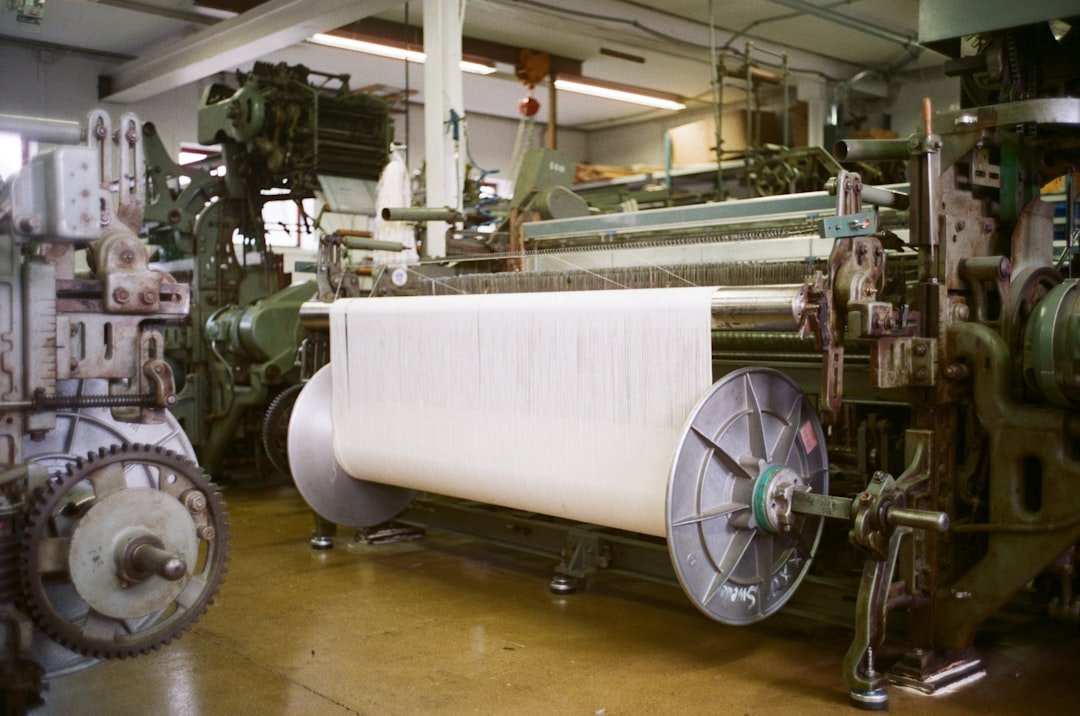
– Traditional looms in European textile mills.
– Artisans produce durable fabrics ideal for everything from homeware to fashion.Innovative Design
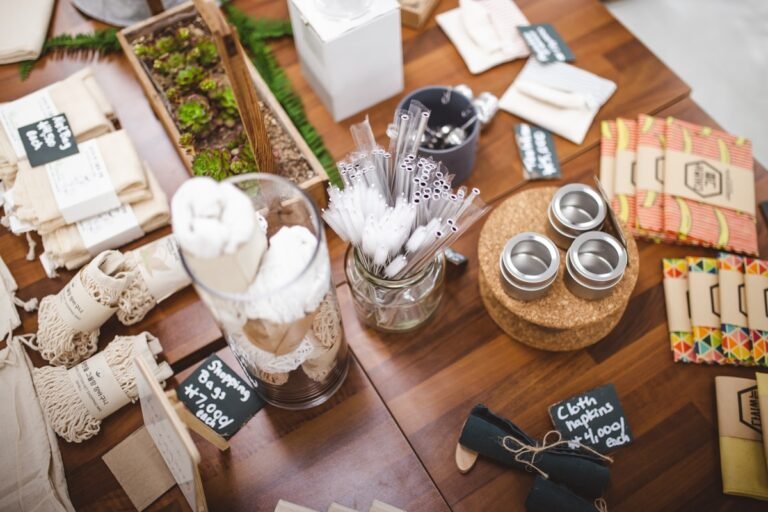
– From plantable pencils to reusable jute totes.
– Products carry embedded seeds—bury them after use for a small forest.Final Assembly & Packaging
– Biodegradable packaging made of recycled paper pulp.
– Minimalist branding reduces ink usage.
This end-to-end control is what redefines sustainable manufacturing. You’re not just cutting emissions on paper. You’re crafting real, lasting change.
Actionable Tips for Your SME
Thinking of adopting sustainable manufacturing in your own business? Here are three steps inspired by Aegle Sriphal:
Source renewable materials locally.
– Bamboo and jute are climate-resilient and quick to regrow.Partner with artisan communities.
– Training local weavers and makers spreads economic benefits.Introduce plantable products.
– A pencil that grows into a herb garden? Engage users and the planet.
Small tweaks. Big results. And if you need a digital boost, combine these steps with virtual-twin simulations to measure impact before you invest.
Beyond Products: Building an Eco-Conscious Brand
Aegle Sriphal doesn’t stop at manufacturing. They foster community engagement through:
– Educational workshops in schools
– Social-media campaigns on conscious living
– B2B collaborations with corporates and NGOs
Your customers don’t just buy a product. They join a movement.
Why This Matters for Europe
Europe’s sustainable goods market is booming. With stringent regulations on plastics and carbon footprints, businesses are racing to adapt. Aegle Sriphal’s transparent eco-friendly production methods align perfectly with EU targets. By blending local heritage weaving with modern design, they tick every box: quality, ethics, environment.
The Final Verdict
- DELMIA’s software guides you to plan sustainability.
- Aegle Sriphal’s processes execute it.
You need both. But if you’re looking for tangible, natural-material products that embody sustainable manufacturing, Aegle Sriphal is your go-to partner.
Ready to transform your supply chain and join a community of eco-champions?
Explore Aegle Sriphal’s full range of bamboo and jute products today and take the first step toward genuine sustainable manufacturing.
Start your journey now → https://aeglesriphal.com/