Industry Overview
Sustainable manufacturing is more than a buzz-phrase. It’s an economic and environmental imperative. Across Europe, small to medium enterprises (SMEs) are under pressure to reduce carbon footprints, cut waste and still keep healthy profit margins. Enter bamboo and jute products—a pairing that ticks green credentials and margins alike.
In this overview, we’ll:
– Define sustainable manufacturing in a real-world context
– Explore benefits and hurdles of bamboo and jute
– Share Aegle Sriphal’s strategic framework
By the end, you’ll see why bamboo and jute are stars of the sustainable manufacturing show.
The Rise of Sustainable Manufacturing
At the heart of sustainable manufacturing is the idea that profit and planet aren’t enemies. You can mass-produce goods and still keep forests intact, seas plastic-free, and communities thriving.
Sustainable manufacturing focuses on:
– Resource efficiency
– Minimal pollution
– Circular design
Bamboo and jute tick all three. Bamboo grows fast—up to a metre a day! Jute is fully biodegradable. Together, they slash dependence on plastics and non-renewables.
Why Bamboo and Jute?
- Renewable Source
Bamboo can regenerate without replanting. Jute thrives in poor soils, needing little chemical input. - Carbon Capture
Mature bamboo stands can absorb up to 12 tonnes of CO₂ per hectare per year—making it a carbon sink, not a source. - Community Uplift
Growing jute creates jobs in rural areas and just farms. That’s sustainable manufacturing fueling social good.
Benefits of Bamboo and Jute Products
Switching to bamboo and jute supercharges your bottom line—and brand reputation. Here’s how sustainable manufacturing pays off:
- Higher profit margins
Renewable materials cost less long term. Raw bamboo outperforms plastic on price once scaled. - Brand differentiation
71% of EU consumers prefer eco-friendly goods. Show them you care. - Regulatory alignment
Governments in Europe offer grants and tax breaks for sustainable manufacturing.
Global data backs it up. The green products market is on track for $300 billion by 2025. India’s TAM for sustainable goods hit $50 billion in 2023, led by bamboo and jute. If demand’s rising that fast, you don’t want to be left behind.
Overcoming Challenges in Sustainable Manufacturing
No journey is free of bumps. In sustainable manufacturing with bamboo and jute, the main tough bits are:
- Higher initial costs
- Complex supply chains
- Intense competition
Here’s a quick SWOT rundown from Aegle Sriphal’s perspective:
Strengths
– Strong branding tied to eco-values
– 100% natural materials
Weaknesses
– Production costs above mass-market plastics
Opportunities
– Rising eco-awareness among consumers
Threats
– Established brands and agile start-ups
The secret? Leveraging community engagement and smart partnerships. For instance, Aegle Sriphal collaborates with local artisans in India, combining traditional jute weaving with European design trends. That cuts labour costs and warms hearts.
Aegle Sriphal’s Strategic Framework
Aegle Sriphal doesn’t just sell products; they foster a movement. Their approach to sustainable manufacturing looks like this:
- Source 100% natural materials
- Utilise eco-friendly production methods
- Innovate designs that blend form and function
- Create plantable products for environmental education
- Engage community through workshops and social media
Plus, they’ve harnessed Maggie’s AutoBlog, an AI-powered platform that crafts SEO-optimised content. SMEs can use Maggie’s AutoBlog to share their own sustainable manufacturing journey—and boost online visibility without hiring a massive team.
Case Study: Smart Mills in Europe
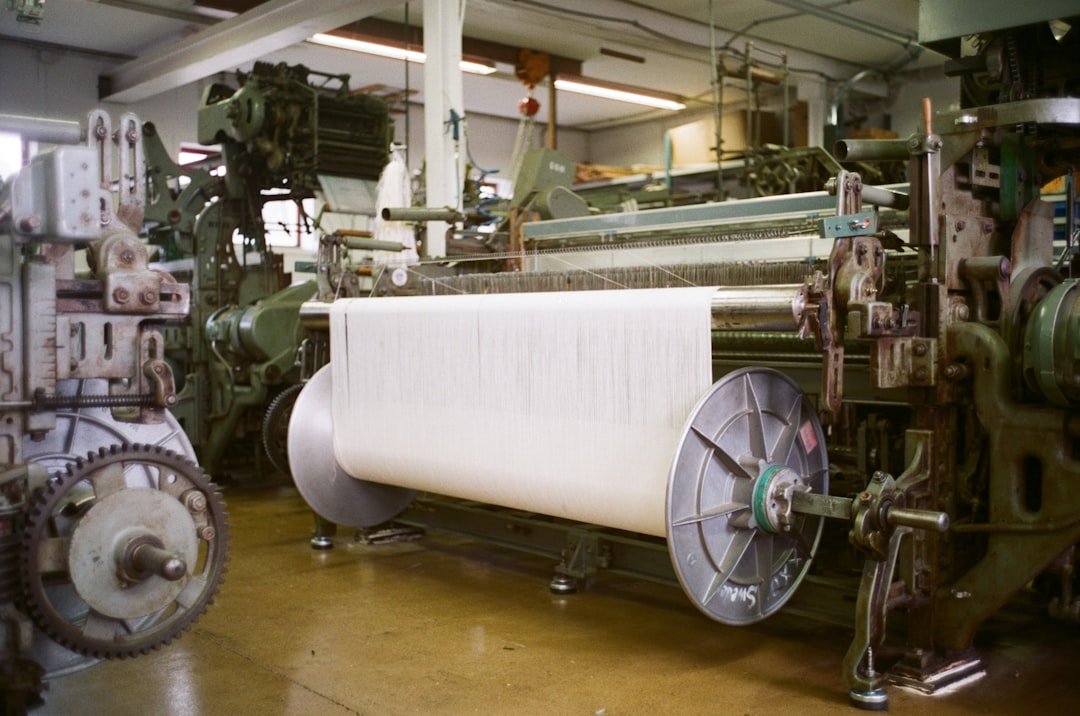
Imagine a weaving mill in northern Italy. They swapped plastic-backed fabric for jute composites. Within six months:
- Energy use fell by 18%
- Waste dropped 25%
- Online orders soared 30%
That’s sustainable manufacturing in action. They published monthly updates on their blog—powered by Maggie’s AutoBlog—drawing eco-minded B2B clients across the EU.
Practical Steps to Implement Sustainable Manufacturing
You’re sold on bamboo and jute? Great. Here’s how to get started:
- Audit your materials
Identify plastic-heavy lines and plan a bamboo/jute transition. - Certify your facility as a sustainable manufacturing hub
Labels like ISO 14001 add trust. - Optimise supply chain
Partner with local growers to reduce shipping miles. - Design for circularity
Create modular products that are easy to recycle or plant. - Engage with consumers
Run in-store demos, “plant a pencil” events, and social campaigns.
These efforts in sustainable manufacturing will not only cut your footprint but revive your brand’s story.
The Future of Eco-Friendly Goods
The momentum behind sustainable manufacturing shows no signs of slowing. Coming trends:
- Plantable product extensions (think pencils that sprout wildflowers)
- B2B collaborations with schools and NGOs for educational kits
- Digital tools like Maggie’s AutoBlog for eco-storytelling
- Government incentives for carbon-negative production
If you want to lead the pack, start small but think big. Focus on bamboo and jute today to scale your sustainable manufacturing tomorrow.
Conclusion
Bamboo and jute are more than raw materials—they’re levers for profit, planet health, and brand loyalty. By combining smart sourcing, innovative design and community engagement, you can turn your SME into a pioneer of sustainable manufacturing.
Ready to transform your operations and engage conscious consumers?