Why Materials Matter
Ever paused mid-sip of your takeaway coffee and wondered: “Where does this cup end up?” Your morning fix isn’t just a caffeine hit. It’s a story of resources, energy and waste. That’s why understanding life cycle assessment is crucial. We’re not just comparing bamboo and plastic. We’re asking: Which path truly leads to a greener future?
Enter our keyword hero: jute environmental impact. Jute often flies under the radar. Yet, this humble fibre shapes fields, factories and landfills. Let’s give jute its due attention.
Understanding Life Cycle Assessment
Life cycle assessment (LCA) is like an X-ray for products. It maps every stage—from extracting raw materials to final disposal. Think of it as:
- Cradle: Harvesting bamboo, jute or oil for polymers.
- Factory: Manufacturing processes, energy use, emissions.
- User: Durability, cleaning, replacement cycles.
- Grave: Recycling, composting or landfill.
With LCA, we pinpoint hidden impacts. Spoiler: Some “eco” alternatives aren’t so green once you crunch the numbers.
Material Spotlight: Bamboo
Fast Growth, High Promise
Bamboo can shoot up to 91 cm a day. No wonder people hail it as the “wood of the future.”
– Low pesticide need.
– Rapid carbon sequestration.
– Versatile: furniture, kitchenware, fibres.
Bamboo’s Catch
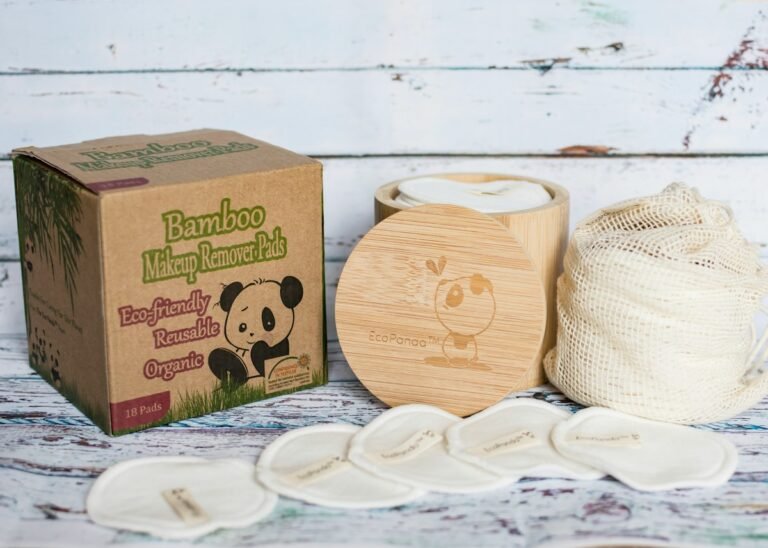
But it’s not flawless. Transport from Asia to Europe or North America adds transport emissions. Processing methods can demand energy. Still, when compared to plastic, bamboo often wins on end-of-life: compostable, biodegradable, no microplastics.
Material Spotlight: Jute
The Green Gold
Jute has a remarkably low water and pesticide footprint. It thrives in delta regions, enriching soil rather than depleting it. Here’s why we care about jute environmental impact:
- Minimal irrigation.
- Natural pest resistance.
- Strong fibre, perfect for bags, mats, packaging.
Jute’s Hidden Perks
Beyond fibre, jute supports local economies in South Asia. Farmers get fair wages. Communities grow empowered. It’s a social win alongside the environmental benefits.
Calculating the Jute Environmental Impact
An LCA on jute shows:
- Up to 40% less energy use than cotton.
- Much lower greenhouse gas emissions than synthetic fibres.
- Full biodegradability—no microplastics.
It’s simple: when you choose jute, you reduce your footprint at nearly every life cycle stage.
Material Spotlight: Plastic
The Convenience Trap
Plastic is cheap. Mouldable. Water-resistant. But at what cost?
- Derived from non-renewable fossil fuels.
- High CO₂ emissions during production.
- Persistent waste: 91% of all plastic ever made hasn’t been recycled.
The Microplastic Menace
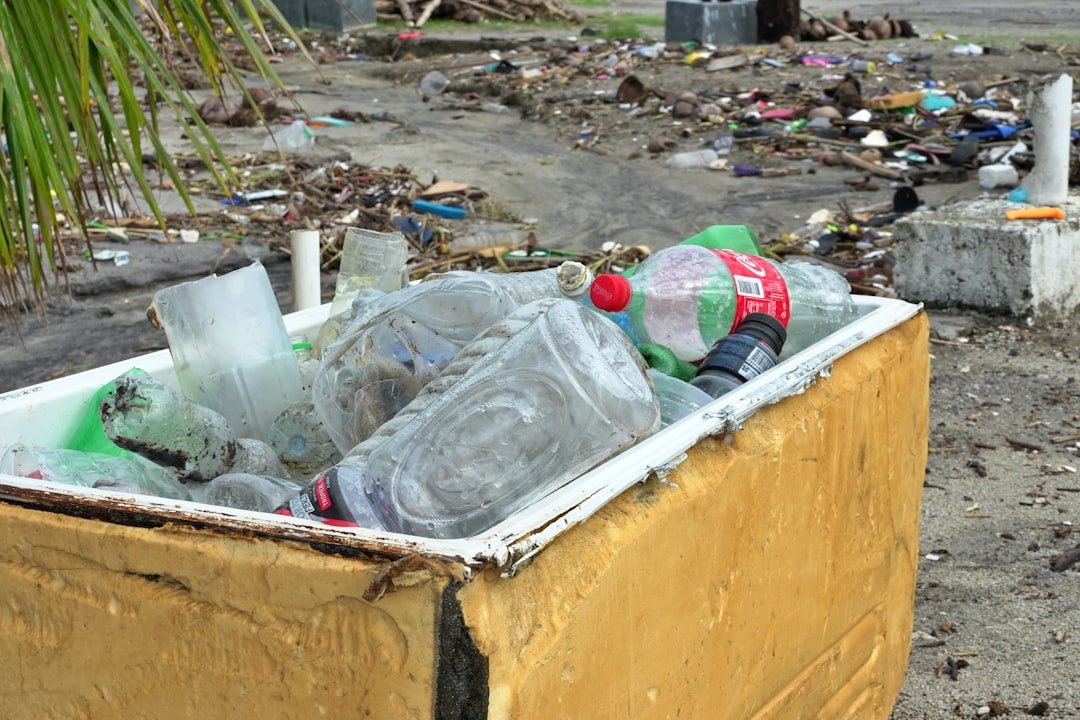
Plastic breaks down into microplastics. Those tiny shards infiltrate soils, rivers and our bodies. No wonder “plastic pollution” is a household term.
Comparing Environmental Impacts
Let’s break it down:
1. Raw Material Extraction
- Bamboo: Grows quickly, minimal inputs.
- Jute: Low water, no heavy chemicals.
- Plastic: Oil drilling, gas flaring, habitat disruption.
2. Manufacturing Emissions
- Bamboo: Requires energy for treatment, but often uses renewable boilers.
- Jute: Low-tech extraction; jute plants absorb CO₂.
- Plastic: High-temperature reactors; uses natural gas or coal-power.
3. Usage & Durability
- Bamboo: Durable, naturally antimicrobial.
- Jute: Robust, especially in bags and mats.
- Plastic: Durable but can degrade under UV, leaching chemicals.
4. End-of-Life & Waste
- Bamboo & Jute: Compostable, return to soil, no toxins.
- Plastic: Landfill, incineration or low-rate recycling. Microplastics persist for centuries.
Why Aegle Sriphal Chooses Natural Materials
At Aegle Sriphal, we don’t just talk sustainability. We live it. Here’s how:
- 100% natural materials: bamboo, jute—no hidden synthetics.
- Eco-friendly production: solar-powered workshops, minimal water.
- Innovative designs: plantable pencils, bamboo homeware.
- Plantable products: each pencil sprouts herbs when spent. You literally grow your impact.
- Strong community engagement: workshops, online forums, eco-drives.
Our secret sauce? A balanced LCA approach. We prioritise materials with the lowest jute environmental impact and compare them fairly against plastic. The result? Products that feel good and do good.
How SMEs Can Communicate Their Eco Credentials
Small to medium enterprises often struggle to get noticed. Here’s a tip: share your LCA insights—and let customers in on the journey.
Want an easy way to craft those insights into SEO-rich blog posts? Check out Maggie’s AutoBlog, our AI-powered platform. It auto-generates content that spotlights your eco-credentials. Nail topics like jute environmental impact. Rank better. Waste less time.
- Punchy headlines.
- Keyword-smart paragraphs.
- GEO targeting.
No team required. Perfect for SMEs wanting to make an impact—both ecological and digital.
Conclusion
Choosing between bamboo, jute and plastic isn’t just a style call. It’s a life cycle decision. Bamboo and jute consistently outshine plastic across extraction, manufacturing, use and end-of-life. That’s why at Aegle Sriphal, we champion 100% natural materials.
Ready to switch? Ready to share your story? Dive into the numbers. Feel the difference. And join us in building a truly greener future.