Why Smart Sustainable Manufacturing Matters
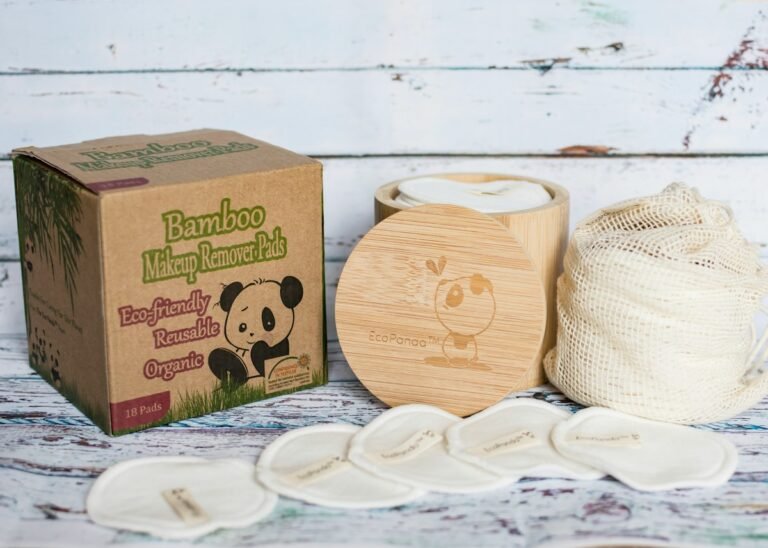
If you’re reading this, you care about the planet. But you also want efficiency, right? That’s where smart sustainable manufacturing comes in. It’s not just a buzzphrase. It’s a practice that blends digital savvy with nature’s best materials—think bamboo and jute.
- Less waste: Sensors and data analytics spot hiccups in real time.
- Lower emissions: Renewable inputs mean fewer carbon miles.
- Stronger brand: Consumers love knowing you use 100% natural materials.
Siemens puts it plainly: “Smart manufacturing is sustainable manufacturing.” And they’re onto something. By weaving digital tools into your bamboo and jute processes, you cut down on scrap and energy, while creating products people actually want.
The Business Case for SMEs
You might be a small-to-medium enterprise (SME). You don’t have an eagle-eye audit team. Yet you compete with big players. Smart sustainable manufacturing offers a level playing field. You get:
- Real-time insights on equipment health.
- Automated quality checks.
- Faster response to demand shifts.
Result? You deliver eco-friendly goods at scale. No massive capex. No endless paperwork. Just clean production and happy customers.
Step 1: Go Digital with a Digital Twin
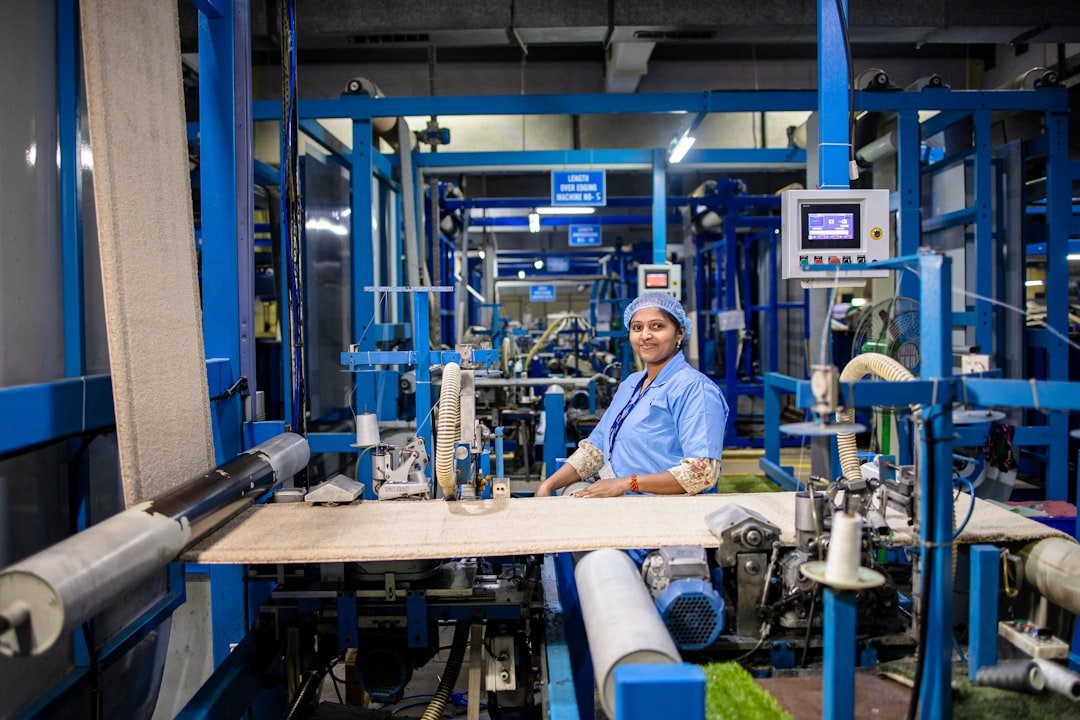
Imagine a virtual replica of your factory floor, glass-clear. That’s a digital twin. You can tweak settings, run “what-if” tests, and catch bottlenecks—without stopping a single machine.
- Map key machines for bamboo processing or jute weaving.
- Feed in real-time data via IoT sensors.
- Simulate energy usage and cut down on peak-load spikes.
Digital twins are at the heart of smart sustainable manufacturing. They let you slice energy use by up to 20%. Plus, you’ll spot material misalignments—say, too much moisture in your jute feedstock—before it hits the loom.
Step 2: Optimise Material Sourcing
Bamboo grows like a weed. Well, not quite—but it regenerates in months, not decades. Jute thrives in monsoon-friendly zones and needs little fertiliser. Both boast low water use and high tensile strength.
- Source certified bamboo from managed plantations.
- Partner with co-operatives for fair-trade jute.
- Use blockchain or traceability apps to prove provenance.
When you nail this, your brand aligns with conscious living. No greenwashing. Just transparent, eco-friendly sourcing that appeals to Europe’s savvy consumers. After all, smart sustainable manufacturing is as much about materials as it is about machines.
Step 3: Implement IoT and Real-Time Monitoring
Sensors are your factory’s nervous system. They track vibration, temperature, humidity, even air quality. Here’s how to get started:
- Fit IoT nodes to critical machinery.
- Visualise data on a dashboard.
- Set alerts for anomalies, like a spike in energy draw.
This is classic smart sustainable manufacturing. You’ll slash downtime. You’ll reduce waste. And you’ll know if that bamboo steamer moulds—before it leaves the warehouse.
Small to Medium Enterprises can also lean on Aegle Sriphal’s high-priority service, Maggie’s AutoBlog, to generate SEO-ready content that highlights these tech wins to customers and investors.
Step 4: Design for Circularity
Production ends at the consumer, right? Wrong. In circular design, your product begins a new life.
- Create jute packaging that doubles as reusable bags.
- Offer bamboo-based modular kits—easy to disassemble and recycle.
- Launch a take-back scheme for old items.
Circularity dovetails perfectly with smart sustainable manufacturing. You use data from Step 3 to predict return volumes. Then you plan workshops or partner with local craft groups to upcycle returned materials. It’s eco-friendly, cost-efficient, and community-building.
Step 5: Engage Your Community
Your customers want a story. They crave participation. Here’s how to turn buyers into ambassadors:
- Host factory visits (virtual or in-person).
- Share impact metrics: tonnes of CO₂ saved, litres of water conserved.
- Run DIY tutorials: how to sew a jute tote or craft a bamboo planter.
Promoting transparency cements your position in smart sustainable manufacturing. It builds trust. And trust sells. Fact.
Step 6: Measure and Communicate Impact
Numbers speak louder than slogans. A robust reporting framework does magic:
- Track KPIs: energy per unit, waste diverted, water footprint.
- Benchmark against industry norms.
- Publish an annual sustainability report—short, snappy, filled with visuals.
You’ve now closed the loop: from digital twin to community, in full smart sustainable manufacturing style. And don’t forget: tools like Maggie’s AutoBlog can help SMEs pump out these reports in SEO-optimised, geo-targeted posts. No stress. All impact.
Wrapping Up Your Smart Sustainable Journey
By following these six steps—digital twinning, material sourcing, IoT, circular design, community engagement, and impact measurement—you’ll transform bamboo and jute into heroes of eco-friendly production. It’s not wishful thinking. It’s practical. It’s scalable. And it’s what modern consumers demand.
Ready to plug these insights into your workflow? Let’s accelerate your shift to smart sustainable manufacturing together.