Introduction
Have you noticed how bamboo shoots up from the earth in weeks, yet can last decades as furniture? Or how jute sacks once carried rice but now carry the flag of conscious living? These natural materials are rewriting the story of sustainability in Europe and beyond.
In this article, we unpack the most pressing bamboo jute market trends. We’ll look at:
– Why demand is surging
– Regional forecasts for Europe
– How Aegle Sriphal sets itself apart
– What to watch as we approach 2025
No fluff. Just real insights you can act on.
Why Bamboo and Jute Are Hot Right Now
Global conscience has shifted. Plastic waste piled up. Regulations tightened. Consumers woke up. The result? A green gold rush for bamboo and jute.
Here are the main drivers:
– Rising awareness of plastic pollution
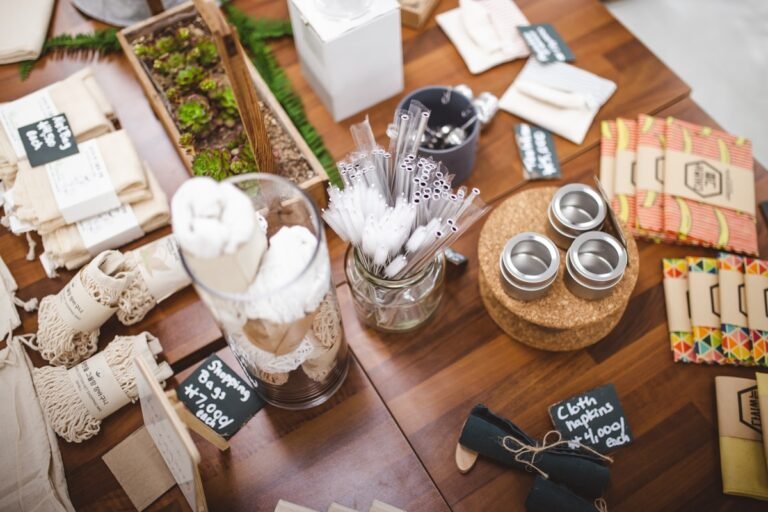
Think of bamboo straws replacing single-use plastic ones. That’s a small change with massive ripple effects.
– Government mandates
Europe’s Single-Use Plastics Directive penalises throwaway plastics. Jute bags? They’re in vogue.
– Cultural shifts
Social media fuels eco-challenges. #ZeroWaste now has millions of hits.
– Cost advantages long-term
Yes, bamboo furniture can cost more upfront. But it lasts. No landfill fees. No toxic breakdown.
According to recent research:
– The global green products market will hit around $300 billion by 2025.
– Bamboo and jute dominate the natural fibre composites segment.
– Compound annual growth rate (CAGR) for sustainable products hovers at 5–7%.
And that’s just the beginning of our deep dive into bamboo jute market trends.
Key Drivers and Challenges
Let’s keep it bullet-proof:
Strengths
• 100% natural materials.
• Eco-friendly production cuts emissions.
• Innovative designs—from plantable pencils to bamboo homeware.
Weaknesses
• Higher production costs than plastic.
• Price-sensitive markets can balk.
Opportunities
• Conscious consumers everywhere.
• B2B tie-ups with schools and NGOs.
• Digital outreach via Maggie’s AutoBlog (Aegle Sriphal’s AI-driven blog tool).
Threats
• Intense competition (Bamboo Earth, JuteBags.com).
• Supply chain hiccups in raw jute harvests.
We see the hurdles. Yet the appetite for these natural materials is insatiable. That’s why tracking bamboo jute market trends is so important.
European Market Focus
Europe leads the charge in sustainable manufacturing. Let’s break down the bamboo jute market trends in this region:
Regulations and Incentives
The EU’s Green Deal emphasises circular economy practices.
Subsidies for natural fibre composites are growing.Consumer Behaviour
– 70% of Europeans say they’ll pay more for eco-labels.
– Jute tote bags replacing plastic at checkout lines.
– Bamboo textiles showing up in high-street fashion.Distribution Networks
– Eco-retailers like “Sustainable Village” curate bamboo and jute lines.
– Online marketplaces tally millions of views each month.
– SMEs harness Maggie’s AutoBlog to create targeted content that ranks locally.Innovation Hubs
– Germany: Advanced weaving techniques.
– France: Designer collaborations turning jute into chic home décor.
– Scandinavia: Bamboo fibre blends for thermal insulation.
By 2025, Europe’s bamboo and jute segment is estimated to grow at a CAGR of 12%—far outpacing many other natural materials industries.
Spotlight: Jute in Packaging
Recycled plastics have led sustainable packaging so far. But jute is nipping at their heels.
– Jute bags: compostable, breathable, strong.
– Portfolios expanding: food storage, gift wrap, promotional merch.
These bamboo jute market trends show jute carving out niche applications well beyond grocery bags.
Forecast to 2025: Emerging Trends
Let’s crystal-ball gaze at what’s heating up:
Plantable Products
Pencils and tags embedded with seeds. Plant them. Watch flowers sprout.Natural Fibre Composites
Combine jute or bamboo with biodegradable resins. Strength meets compostability.Digital Traceability
Blockchain-backed supply chains to prove origins.
You can scan a QR code and track your bamboo board back to a specific grove in India.3D Printing with Natural Materials
Early pilots show jute-reinforced filaments for prototyping.
Imagine a jute-based 3D chair frame. Light. Sturdy. Green.
No matter which trend you eye, the bamboo jute market trends narrative revolves around authenticity and impact.
How Aegle Sriphal Wins
We’ve outlined the landscape. Now, why pick Aegle Sriphal?
Authenticity.
Every product is crafted from 100% natural materials—no blends, no gimmicks.Eco-credentials.
Our plantable pencils teach kids about soil health. Our bamboo homeware is kiln-dried to eliminate chemicals.Community focus.
We run workshops to upcycle jute scraps.
You don’t just buy a product. You join a movement.AI-driven outreach.
With Maggie’s AutoBlog, SMEs craft SEO-optmised posts in seconds. They reach local audiences hungry for sustainability.Competitive edge.
While competitors race to slash prices, we invest in innovative designs. Less churn. More loyalty.
In short, we solve the typical drawbacks of sustainable goods:
– We control costs through lean, green production.
– We add educational and social value.
– We help small businesses boost visibility via cutting-edge content tools.
Practical Steps for SMEs
So you want to ride these bamboo jute market trends? Here’s a quick action plan:
Audit Your Product Mix
Evaluate where bamboo or jute can replace plastics.Leverage AI for Content
Use Maggie’s AutoBlog to publish geo-targeted posts.Partner Locally
Reach out to eco-conscious cafés and boutiques for co-branded products.Educate Your Audience
Host a DIY workshop on weaving jute coasters.Measure Impact
Track reductions in plastic usage and share results on social channels.
These steps aren’t theory. They reflect how leading SMEs in Europe captured new customers in 2024, and why 2025 will be even bigger for bamboo jute market trends.
Conclusion
The sustainable wave is no fad. It’s a tectonic shift. Bamboo and jute stand front and centre.
We’ve seen:
– Why demand is skyrocketing.
– Europe’s pivotal role.
– Emerging innovations.
– How Aegle Sriphal makes it easy for SMEs to join the eco-revolution.
Ready to seize the moment? Partner with us and ride the green wave into 2025.