Introduction
Ever wondered how your everyday goods could be both stylish and planet-friendly? It’s all about smart design, natural fibres and cutting-edge recycling technologies. At Aegle Sriphal, we blend bamboo and jute with eco-conscious production. We tap into research from centres like SMART at Loughborough University. The aim? Keep materials in use, reduce waste, and empower you to make greener choices.
In this article, we dive into:
- Why recycling technologies matter in sustainable manufacturing.
- The magic of bamboo and jute.
- How Aegle Sriphal integrates these innovations.
- A peek at Maggie’s AutoBlog – our AI-powered SEO sidekick.
- A glimpse into future opportunities.
Buckle up. Sustainability never looked this good.
Why Recycling Matters
Recycling technologies are more than buzzwords. They’re game plans for a world drowning in plastic and landfill. Here’s why they matter:
- Environmental rescue: Divert waste from overflowing tips.
- Resource savings: Cut down on virgin raw materials.
- Economic boost: Create green jobs and new markets.
- Brand trust: Eco-savvy consumers reward honest efforts.
Institutes like the Centre for Sustainable Manufacturing and Recycling Technologies (SMART) show how R&D can reshape industries. They tackle life-cycle analysis, sustainable design and remanufacturing strategies. We borrow that spirit to close loops, turning used bamboo or jute offcuts into fresh, functional pieces.
The Rise of Recycling Technologies
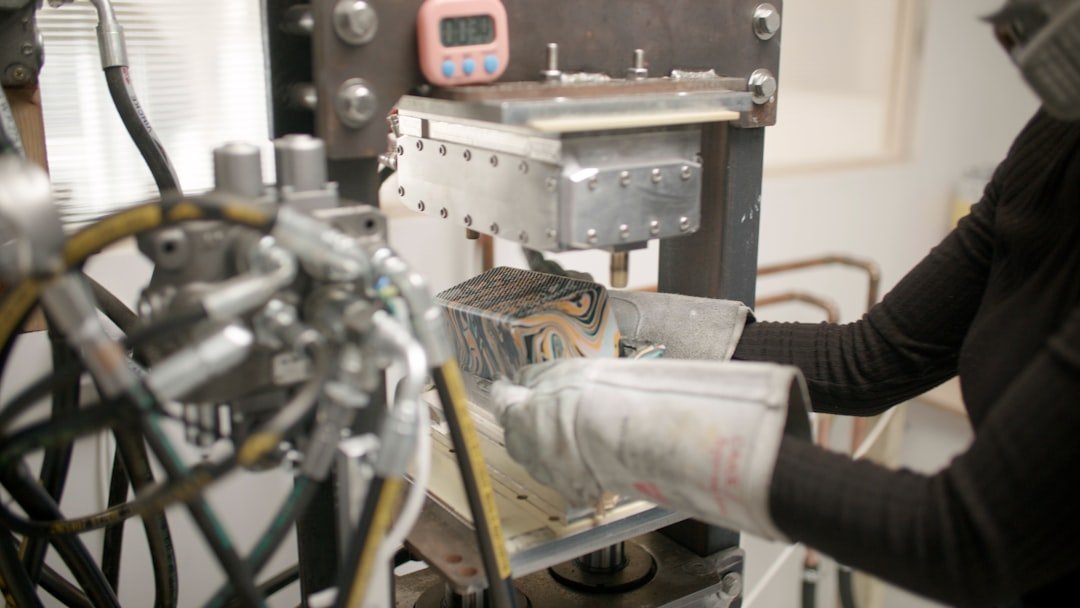
Over the last decade, recycling technologies have evolved fast. From simple shredders to high-tech sorting systems, they’re the backbone of circular economy models. In Europe alone, legislation pushes firms to design with end-of-life in mind. That means thinking about disassembly, reclaiming fibres and reprocessing them into new goods.
The Power of Natural Materials: Bamboo and Jute
Natural materials bring warmth, texture and biodegradability. Paired with modern recycling technologies, they’re unstoppable.
Bamboo: A Versatile Renewable Resource
- Rapid growth: Some species mature in just 3 years.
- Strength: Comparable to hardwoods and even steel in tensile strength.
- Carbon capture: Bamboo forests sequester CO₂ at higher rates.
- Versatility: From furniture to fashion accessories.
Imagine upcycled bamboo pulp transformed into sleek homeware. Or bamboo fibres re-spun into durable textiles. Recycling technologies turn scrap into second-life marvels.
Jute: Strength and Biodegradability
- Annual crop: Quick harvest cycles boost yield.
- Sturdy fibres: Perfect for bags, ropes and mats.
- Biodegradable: Naturally returns to the soil.
- Low water footprint: Needs minimal irrigation.
With the right recycling technologies, jute offcuts can be shredded, cleaned and rewoven. This process reduces waste and brings cost savings – an ace move for SMEs navigating tight budgets.
Aegle Sriphal’s Approach to Sustainable Manufacturing
We’re not just talk. Here’s our blueprint:
1. Eco-friendly Production Methods
- Solar-powered workshops in India.
- Low-impact dyeing with plant extracts.
- Water recycling loops – almost zero discharge.
Each step slashes energy use and pollution.
2. Integrating Recycling Technologies in Design
From day one, we think about the product’s end of life. That means:
- Modular designs: Easy to take apart.
- Single-material components: Simplifies recycling processes.
- Clear labelling: Guides consumers on disposal and composting.
Our goal? Products that don’t just last but can be reborn.
3. Maggie’s AutoBlog: Automating Sustainable SEO
Here’s a twist: good manufacturing needs good marketing. That’s where Maggie’s AutoBlog comes in. This AI-powered platform automatically generates SEO and GEO-targeted blog content. You get high-quality posts that highlight your eco-credentials, engage buyers, and boost visibility. It’s perfect for SMEs who want to shout about their green garage without hiring a full content team.
By using Maggie’s AutoBlog, brands can:
- Maintain fresh, relevant content on sustainability topics.
- Target regional markets with tailored messages.
- Spend less time writing and more time innovating.
Recycling technologies aren’t just for factory floors – they can refine your digital footprint too.
Case Study: Upcycling Bamboo and Jute Waste
Let’s zero in on a recent project:
- We collected bamboo offcuts from a furniture line.
- Employed shredding and pulping recycling technologies.
- Created plantable pencil holders embedded with jute fibres.
Result? A dual-purpose desk accessory. It organises pencils and later, you plant it to grow herbs. Guests ask, “Is that sustainable?” and you can say, “Absolutely.”
This blend of product design and recycling technologies teaches environmental stewardship. Small, memorable, yet mighty.
Future of Recycling Technologies in Sustainable Goods
What’s next on the horizon?
- Advanced sorting AI: Machines that read material types in seconds.
- Chemical recycling breakthroughs: Turning mixed fibres back into pure polymers.
- Collaboration hubs: Shared R&D spaces to test new recycling methods.
We’re already talking to NGOs, schools and corporations. Each partnership fuels our R&D, creating ripple effects across communities.
Research Initiatives like those at Loughborough underscore the power of cross-sector teamwork. They investigate resource efficiency, social impact and business models that champion circularity. Aegle Sriphal aims to be right there, co-creating tools and standards that any brand can adopt.
Conclusion
Recycling technologies are the unsung heroes of a greener tomorrow. When paired with bamboo and jute, they spark products that look good, feel good and do good. Aegle Sriphal’s model – from eco-friendly manufacturing to AI-powered SEO – shows that sustainability can be smart, simple and scalable.
Ready to take the next step? Join our growing community of conscious creators. Let’s rewrite the future of manufacturing, one recycled fibre at a time.