Introduction
Here’s a fact: the globe is tapping into green. And Mexico? It’s leading the charge in manufacturing. This sustainable manufacturing case study dives into Mexico’s green revolution and bridges the gap to India—where Aegle Sriphal brings bamboo and jute front and centre.
Think of it as a relay race. Mexico sprints with renewable energy and waste-cutting tech. Then India picks up the baton, weaving bamboo and jute into everyday goods. Ready to peek behind the curtains? Let’s roll.
Why Mexico Leads in Sustainable Manufacturing
Mexico isn’t just about tacos and tequila. It’s a powerhouse of green manufacturing innovation. Here’s how:
Government-Led Green Policies
- Carbon targets: Mexico signed the Paris Agreement and aims to cut emissions by 22% by 2030.
- Tax incentives: Companies get breaks for installing solar panels or using recycled materials.
- Regulatory push: Stricter waste disposal rules mean factories rethink their processes.
Result? Factories aren’t just complying—they’re innovating.
Industry Adaptation to Eco Practices
The magic happens when big players adapt:
- Automotive plants run on wind and solar power.
- Electronics makers recycle up to 80% of their industrial waste.
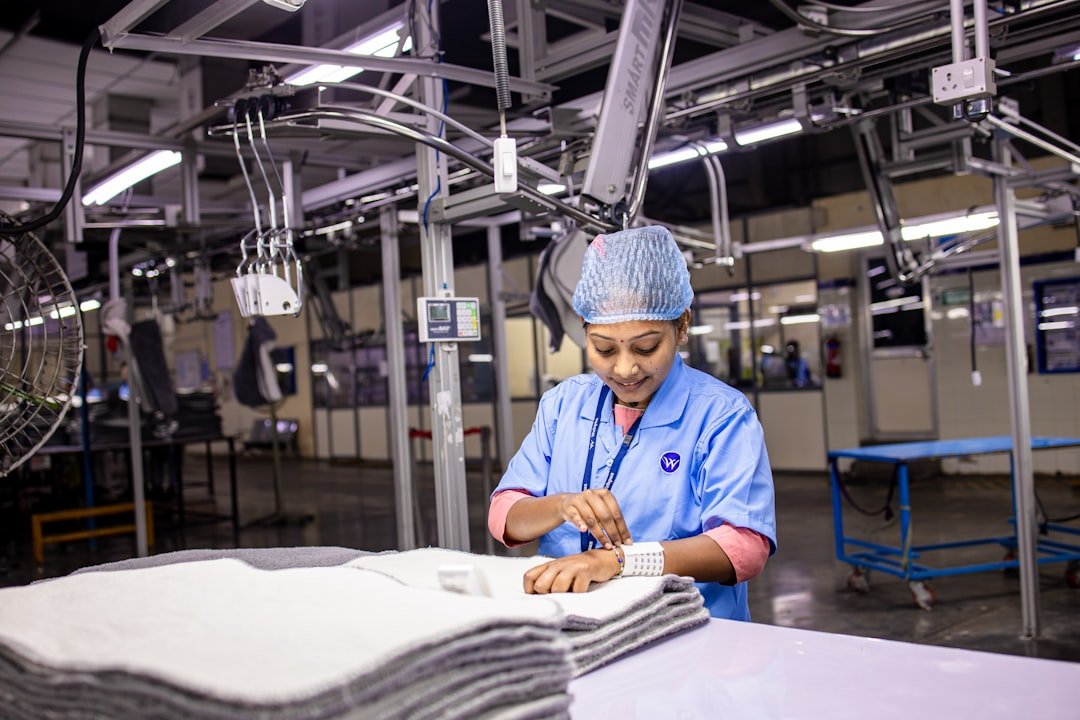
- Textile mills use eco-friendly dyes and water-recycling units.
These aren’t half-baked efforts. It’s full-on commitment. And that’s what makes this a noteworthy sustainable manufacturing case study.
Technological Innovations
AI-driven energy management? Check. Advanced waste sorting? Double check. Mexican firms use:
- Smart sensors to cut down on power spikes.
- Robotics to sort scrap materials with 95% accuracy.
- Blockchain to track carbon footprints.
These tools shrink costs and boost efficiency. Win-win.
International Collaboration
Mexico teams up with UNIDO, EU partners, and US energy firms. Knowledge transfer is real. Companies in Mexico adopt best practices from Germany. In return, they offer cost-effective solutions to the world market. This global tag-team is central to our sustainable manufacturing case study.
Economic Benefits
Here’s a non-obvious perk: green factories often save money. Fewer waste fees. Lower power bills. New markets open up in eco-conscious regions like Europe. Consumers pay a little extra for ethical goods. And companies reap the rewards.
Key Takeaways for SMEs
You’re a small or medium enterprise. You want to jump on the sustainability train but feel overwhelmed. This sustainable manufacturing case study shows it’s doable:
- Start small. Swap packaging to recycled kraft.
- Invest in low-cost sensor tech. It pays back in six months.
- Lean on government grants. They’re often under-used.
- Partner with local universities for R&D talent.
Easy to say, harder to do? Sure. But every journey starts with a single step.
Aegle Sriphal’s Eco-Friendly Spin in India
Now, let’s fast-forward to India. Aegle Sriphal picks up the baton with bamboo and jute. Here’s how they bring eco-manufacturing home:
100% Natural Materials
- Bamboo is fast-growing and requires no pesticides.
- Jute thrives on rainwater, not irrigation systems.
- All products are entirely plant-based.
No plastic. No hidden synthetics. Just pure, natural materials.
Eco-Friendly Production Methods
Aegle Sriphal’s factories run on solar arrays. Water used in jute processing gets filtered and reused. Staff learn circular-economy principles at workshops. The result? A lean, green production line that echoes Mexico’s best practices from our sustainable manufacturing case study.
Innovative Product Designs
From plantable pencils to modular bamboo homeware, Aegle Sriphal nails both form and function. You can literally plant the pencil stub when it’s too short to use. How neat is that?
Community Engagement & Education
Aegle Sriphal doesn’t just sell products. They teach:
- School programmes on upcycling.
- Social media series on reducing household waste.
- Workshops for rural women’s cooperatives.
And yes, they power much of their outreach with Maggie’s AutoBlog, an AI-driven platform that crafts SEO and GEO-targeted blog posts. That way, their message reaches both local markets and the wider European audience.
Overcoming Barriers: Cost and Competition
Adopting eco-friendly methods can feel pricey. Higher initial investment. Higher material costs. Aegle Sriphal tackles these by:
- Bulk sourcing bamboo and jute, slashing unit costs.
- Investing in in-house solar, cutting energy bills long-term.
- Offering premium, eco-branded products that command higher prices.
Competition? Intense. Brands like EcoTank and Bamboo Earth are on the scene. But Aegle Sriphal stands out with:
- 100% natural claims (no tack-on synthetics).
- Plantable products that educate.
- A strong community following.
This comparative spotlight cements the project’s unique edge in our sustainable manufacturing case study.
Practical Steps to Emulate This Model
You’ve read the case study. Now, here’s a quick how-to for SMEs:
Audit your materials
Identify plastics and synthetics. Replace with bamboo, jute, or other natural fibres.Tap into grants
Many governments support green manufacturing. Do your homework.Adopt simple tech
Install low-cost sensors, track energy use, and automate waste sorting.Partner locally
Collaborate with NGOs, schools, or co-ops for training and raw materials.Share your story
Use AI tools like Maggie’s AutoBlog to craft blog posts that boost SEO and attract conscious customers.
This step-by-step approach brings virtual insights into real-world action. And that’s the heart of any strong sustainable manufacturing case study.
Conclusion
This journey from Mexico’s policy-driven factories to Aegle Sriphal’s bamboo-and-jute workshops in India proves one thing: sustainability isn’t a buzzword. It’s a blueprint. Industries that dare to adopt it see better margins, stronger brands, and a real environmental payoff.
Want to learn more? Dive into our practices, explore our catalogue, and see how we craft products that are good for you—and the planet.