Why Biodegradable Notebooks Matter
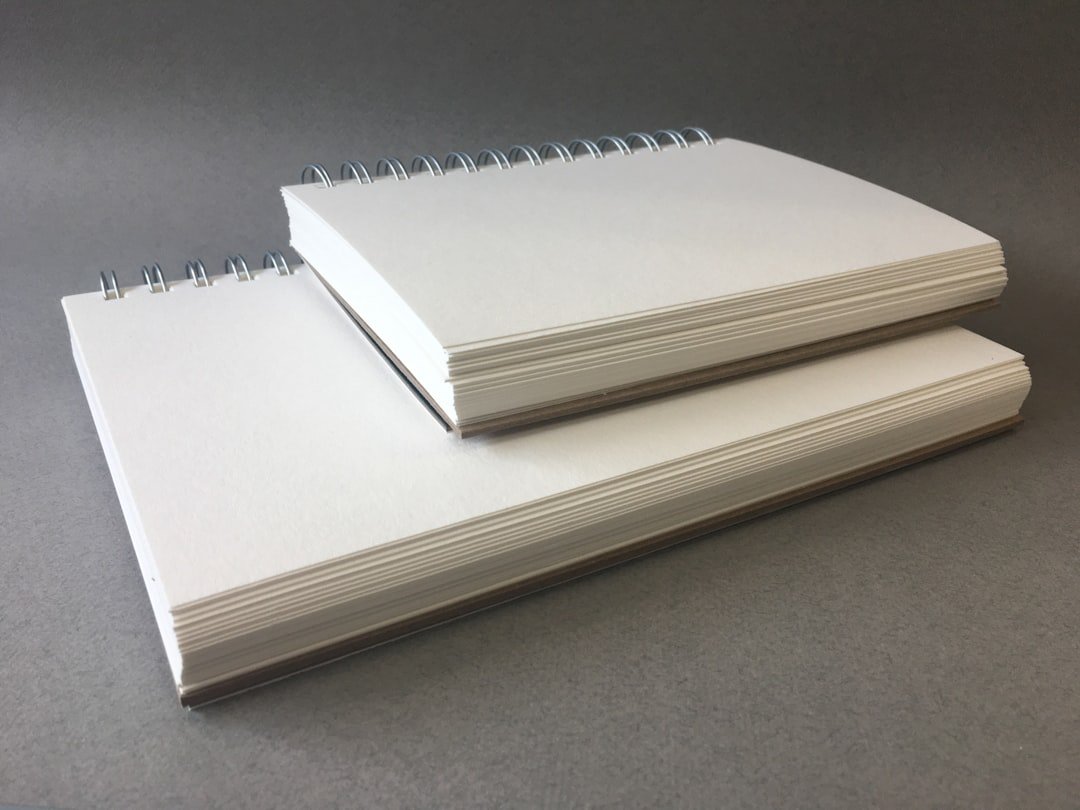
Office life often means stacks of paper, pens rolling across desks, and more waste than we’d like to admit. Enter biodegradable notebooks. They:
- Break down naturally.
- Avoid microplastics.
- Give your workspace a green vibe.
Still not convinced? Let’s dig in.
A Nod to Nature
- Sustainable materials. Bamboo and jute grow fast—with minimal water or pesticides.
- Low-impact production. Less energy. Less mess.
- End-of-life ease. Toss it in compost, and watch your notebook turn into soil.
Small to medium enterprises (SMEs) can lead the charge here. You’ll attract eco-savvy clients. You’ll reduce your footprint. Win-win.
Bamboo: The Rapid-Growth Champion
Bamboo is more than panda food. In the stationery world, it’s a superstar.
- Fast-growing: some species sprout over 30cm a day.
- Renewable: no clear-cut forests needed.
- Durable: tear-resistant covers that stand the test of daily scribbles.
Aegle Sriphal champions this material with their Bamboo Journal, a sleek companion for your meetings. Each page is crafted from sustainable fibres, ensuring your biodegradable notebooks are as sturdy as they are eco-friendly.
Jute: The Humble Heavyweight
If bamboo is the sprinter, jute is the marathon runner. This plant fibre brings:
- Rugged texture. Perfect for hand-feel and grip.
- Natural tan hues. No chemical dyes.
- Biodegradability. A quick return to earth once its life is done.
Pair a jute-covered notebook with a plantable pencil, and you have a desk duo that’s all heart, zero guilt.
Bamboo vs Jute: Which to Choose?
Ever stood in the stationery aisle, torn between two lovely options? Here’s a glance:
Bamboo notebooks
Pros: Ultra-smooth pages, modern look, water-resistant outer layer.
Cons: Slightly higher cost, pricier shipping due to weight.Jute notebooks
Pros: Rustic charm, lightweight, natural tan colour.
Cons: Pages can be a tad rough, prone to fraying at edges.
Ask yourself: do you favour form or function? Either way, both fit the Eco Friendly Office Supplies ethos.
Browse Eco-Friendly Office Supplies
Integrating Biodegradable Notebooks into Your Office
Swapping out old pads for biodegradable notebooks isn’t just a trend. It’s a small act with a big ripple. Here’s how to make the move:
- Audit your stash. What paper do you use? How often do you order?
- Set a replacement plan. Maybe one pack of conventional notebooks per month swapped for bamboo.
- Educate your team. Share short facts:
– Bamboo takes three to five years to mature—versus 20+ for timber.
– Jute’s coarse fibres make it perfect for sturdy covers. - Keep it visible. Place a ‘green corner’ in the office stocked with your biodegradable notebooks, seed paper cards, and recycled twine.
Notebooks aside, Aegle Sriphal also offers Maggie’s AutoBlog, an AI-powered platform that generates SEO-optimised content for SMEs. Handy when you need fresh blog posts on your sustainability journey without hiring a full-time writer.
Beyond Biodegradable Notebooks: Aegle Sriphal’s Eco Line
Aegle Sriphal is serious about conscious living. Their other hero products include:
- Plantable Pencils: Write today, grow wildflowers tomorrow.
- Bamboo Homeware: From coasters to kitchen utensils.
- Seed Paper Greeting Cards: Send wishes and plant wildflowers.
Each item follows the same mantra: natural materials, minimal impact, high style.
Real-World Impact
Still thinking it’s just a notebook? Let’s put it in perspective:
- One office of 20 people replaces five conventional notebooks per month with biodegradable ones.
- Over a year, that’s 60 notebooks diverted from landfill.
- Compostable waste returns nutrients to soil—closing the loop.
That’s not fluff. It’s real change you can measure.
Tips for Maximum Eco Benefits
- Opt for refillable bamboo covers. Keep the cover; just swap inner pages.
- Choose notebooks with sewn binding—no plastic spines.
- Pair with eco-friendly adhesives like plant-based glue.
- Recycle every scrap: paper trimmings, unused pages, scraps.
These simple steps amplify the impact of your biodegradable notebooks.
Final Thoughts
Switching to bamboo and jute stationery isn’t about perfection. It’s about progress. Every page filled, every pen click, every meeting minute—made greener.
Ready to transform your workspace?