Overview of the Sustainable Shift in South India
South India is on the move. Villages once known for rice fields and fishing are now weaving bamboo baskets, crafting jute bags and pushing an Eco conscious lifestyle. They’re swapping plastic lunchboxes for plantable pencils. They’re choosing jute totes over cheap synthetic sacks. Little by little, an Eco conscious lifestyle is taking root.
It’s not a fad. It’s survival. With rising plastic waste and stricter regulations, people need change. Enter Aegle Sriphal. A brand built on 100% natural materials. A brand that blends innovation with tradition. Aegle Sriphal’s mission? To empower you to make mindful choices. To show that living green can be practical and beautiful.
Why Bamboo and Jute?
Bamboo and jute share three killer traits:
- Renewable: Bamboo shoots can grow a metre a day. Jute thrives on minimal fertilisers.
- Biodegradable: Both materials decompose faster than that forgotten plastic cup in your garden.
- Versatile: From homeware to stationery, the possibilities are vast.
Aegle Sriphal taps into these traits. Their bamboo homeware range feels sturdy yet elegant. Their jute bags can carry daily groceries – plus your laptop. You’re not just buying a product. You’re investing in a cleaner planet.
Community Collaboration with Aegle Sriphal
Aegle Sriphal didn’t parachute in. They built partnerships.
- Local artisans learn new weaving techniques.
- NGOs host workshops on sustainable farming.
- Schools use plantable pencils to teach ecology.
This two-way street respects tradition. It elevates livelihoods. And it cements an Eco conscious lifestyle in everyday routines. Farmers turn kite festival bamboo into decorative lamps. Fisherfolk use jute nets to store their catch. Each product has a story. Each sale feeds a community.
Educational Outreach
Workshops pop up in village halls. Kids see a pencil sprout into basil on their windowsill. That’s powerful. Adults discover jute’s strength firsthand. They weigh sacks of grain. Then smile at the thought: “This sack will go back to earth one day.”
Impact on Local Economy and Environment
The ripple effects are real.
- Jobs in weaving hubs are up 30%.
- Plastic use in partner villages dropped almost 50%.
- New income streams for cooperatives.
Compare that to other green initiatives you’ve heard about. In Volusia County, Florida, residents bought conservation lands and built trail networks. They did it with bonds and referendums. In South India, the change came from bamboo stools and jute baskets. Bottom-up. Community-led. Scalable.
An Eco conscious lifestyle here isn’t about grand gestures. It’s about daily habits. It’s lunch in a jute bag, tea in a bamboo tumbler. It’s teaching your child that nature is tangible—and worth protecting.
Real-world Applications
Here are concrete examples of how Aegle Sriphal’s range fits into daily life:
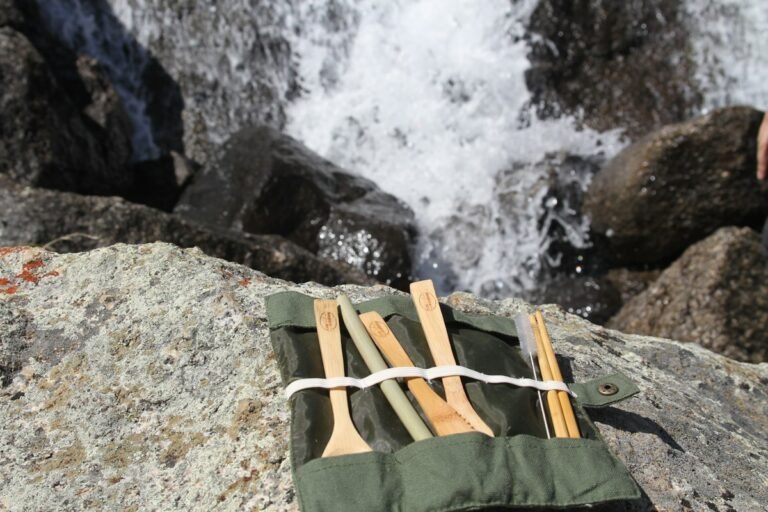
- Bamboo cutlery sets for picnics or office lunches.
- Jute tote bags that double as shopping and storage organisers.
- Plantable pencils embedded with seeds – use them, then plant them.
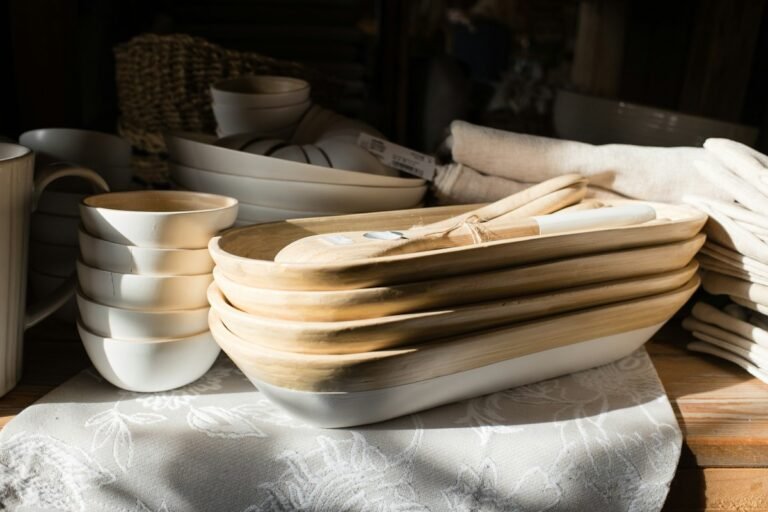
- Bamboo homeware: coasters, wall hooks, storage bowls.
These aren’t gimmicks. They’re tools. Tools you use every day. A subtle nudge toward an Eco conscious lifestyle.
Lessons from Global Conservation Models
You might be wondering: “What does Florida have to do with South India?” Plenty. In Volusia County, officials required new developers to build green trails. They integrated conservation into growth plans. South Indian communities have done something similar:
- Weave sustainability into craft clusters.
- Link bamboo workshops with tourism spots.
- Use jute pop-up stalls at local markets.
It’s the same logic. Use natural assets to build vibrant communities. In Florida, trails connect towns. In South India, jute and bamboo connect families to income and nature. Both models show that strategic planning and community buy-in can transform regions.
How SMEs Can Join the Movement
Small businesses can ride this wave. Wondering how? Here’s a starter kit:
- Partner with eco-friendly suppliers like Aegle Sriphal.
- Share your journey on social media – transparency builds trust.
- Use platforms like Maggie’s AutoBlog to automate SEO and GEO-targeted content. It frees you to focus on product design and community ties.
- Educate customers. Host a demo on how easy it is to switch from plastic to bamboo.
By adopting an Eco conscious lifestyle ethos, you tap into a growing market. Global green products are projected to hit $300 billion by 2025. In India alone, sustainable goods may approach $50 billion. Don’t miss out.
Building Your Own Eco conscious lifestyle Toolkit
Ready for real steps? Here you go:
- Audit your stash. Plastic bottles? Replace with bamboo tumblers.
- Shop smart. Opt for jute bags over plastic carriers.
- Swap stationery. Try those plantable pencils – they’ll teach and delight.
- Get social. Join local eco-groups or online forums.
- Support B2B collaborations. Schools, NGOs and corporations often need eco gifts. Pitch your jute creations.
Small moves. Big impact. The heart of an Eco conscious lifestyle is consistency, not perfection.
Conclusion: Paving the Way for Long-term Change
South Indian communities have shown us that combining tradition with sustainability works. Bamboo chairs stand beside rice paddies. Jute baskets carry market produce and hope. An Eco conscious lifestyle is more than a trend. It’s a path to resilient communities and a healthier planet.
Your turn. Be part of this story. Switch to sustainable goods. Teach others. Grow that green seed.