The Rise of Sustainable Consumer Goods in India
India’s young population is waking up to a serious problem: waste. Mountains of plastic. Landfills bursting. The climate emergency knocking at our doors. In this chaos, sustainable consumer goods are shining through.
Consumers here aren’t just price-sensitive. They’re purpose-driven. They want products that leave a smaller footprint. And they’re ready to pay a bit more—sometimes. The catch? Higher prices can still be a barrier. Deloitte’s latest survey found that around 61% of people cite cost as the main block to a sustainable lifestyle. Sound familiar?
Key Sustainability Behaviours
Despite challenges, sustainable consumer goods buyers in India are taking real steps:
- Recycling household waste (over 70% do it)
- Cutting down food waste (68%)
- Avoiding single-use plastics (61%)
- Repairing items instead of replacing (56%)
- Buying local and seasonal produce (51–56%)
In short, they’re moving from talk to action. But adoption has plateaued. Many feel change is too expensive or too slow. Skepticism is creeping in. That’s where smart brands come in.
Bamboo and Jute: Star Materials for Eco-Friendly Brands
When we think of sustainable consumer goods, bamboo and jute pop up. Why? They tick three big boxes:
- Renewability
- Biodegradability
- Affordability
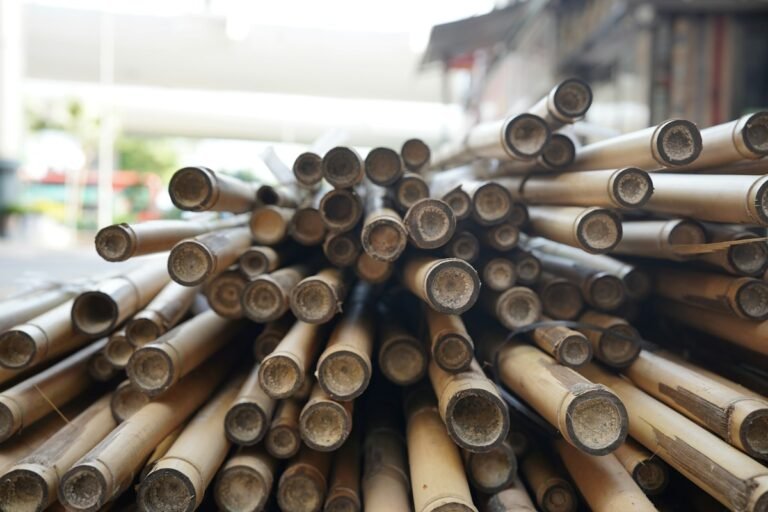
Bamboo: The Fast-Growing Wonder
Bamboo can grow up to a metre a day. It’s sturdy. It’s versatile. And it soaks up carbon like a champ. You’ll find it in:
- Homeware (plates, trays, utensils)
- Personal care (bamboo toothbrushes, combs)
- Accessories (phone holders, organisers)
Plus, bamboo products often come with a story. Each piece shows how nature and design can coexist.
Jute: The Golden Fibre
Jute’s been around for centuries in South Asia. It’s tough. It’s natural. And it’s 100% compostable. Think:
- Shopping bags
- Storage baskets
- Fashionable totes
Small to Medium Enterprises (SMEs) love jute. It’s cost-effective and easy to customise. Perfect for brand logos and prints.
Aegle Sriphal: Meeting Demand with Bamboo and Jute
Enter Aegle Sriphal. Their USP?
– 100% natural materials.
– Eco-friendly production.
– Innovative, plantable designs.
– Strong community engagement.
They’ve nailed sustainable consumer goods by blending style with responsibility. You get:
- Plantable pencils. Yes, you can grow a tree from your stationery.
- Bamboo kitchenware that looks sleek on your shelf.
- Jute bags that carry your groceries and a message of hope.
They’re not just selling products. They’re teaching us why picking a bamboo straw over plastic matters. They partner with schools, NGOs, even offices. And they use social media to build a tribe of changemakers.
Consumer Barriers and How Brands Can Help
We’ve seen the hurdles. Cost. Skepticism. Information gaps. So, what can you do as a brand?
- Simplify your message. A one-sentence benefit: “Our bamboo plate lasts 5 years and then composts in weeks.”
- Offer trials or small-pack options. Let people test before they invest.
- Educate through stories. Show a village that now earns extra income by weaving jute.
By addressing these friction points, your sustainable consumer goods will stand out—and actually sell.
SMEs: Winning with SEO and Sustainability
If you’re an SME juggling product design and marketing, here’s a tip: let automation lighten the load. Maggie’s AutoBlog is an AI-powered platform that generates SEO- and GEO-targeted blog content for your website. Imagine:
- Fresh blog posts about jute bag trends.
- Localised content that appeals to buyers in Mumbai and Bengaluru.
- SEO focus on “sustainable consumer goods” without you lifting a finger.
You get consistent publishing, more organic traffic, and time to focus on your craft.
Market Outlook: Numbers You Can’t Ignore
The stats are compelling:
- Global green products market to hit $300 billion by 2025 (CAGR 5–7%).
- India’s total addressable market for sustainable goods at $50 billion by 2023.
- Bamboo and jute leading demand due to ease of access and renewability.
These figures aren’t just numbers. They signal a shift. A shift towards mindful choices. Your chance to ride the wave of sustainable consumer goods before it becomes mainstream.
Trends to Watch in 2025 and Beyond
- Plantable products – stationery that sprouts seeds.
- Repair-and-reuse services built into product warranties.
- Transparency portals – QR codes that show every step of production.
- Community pop-ups in cities, where you can swap plastic goods for bamboo alternatives.
Stay ahead. Keep listening to your customers. Adapt your line. And remember—you don’t need a six-figure budget to make an impact.
Wrapping Up
Sustainable consumer goods aren’t a fad. They’re our future. Consumers in India want options that respect the planet. They’ll reward brands that combine quality, style, and honesty.
Whether you’re launching a new bamboo homeware collection or starting a jute accessory line, remember:
- Address price concerns.
- Educate with stories.
- Leverage tools like Maggie’s AutoBlog for consistent content.
Ready to lead the charge? Take a step.