Understanding Corporate Sustainability ROI
When you hear corporate sustainability ROI, what comes to mind?
Often, it’s numbers, spreadsheets, charts. But at its heart, it’s about impact. Real impact on profit. Real impact on people. Real impact on the planet.
Corporate sustainability ROI measures how green choices translate into greenbacks. It considers:
– Reduced waste and lowered production costs.
– Premium pricing, as two-thirds of consumers will pay more for eco-friendly brands.
– Stronger brand trust—62% of shoppers say sustainability builds loyalty.
Put simply, when businesses invest in eco-friendly practices, they often see paybacks beyond goodwill.
Why Sustainability Drives ROI: Real Market Data
Let’s dive into the numbers.
“Sales of consumer goods from brands with a clear sustainability focus grew over 4% globally. Those without? Less than 1%.” – Nielsen
Key stats:
– 66% of global consumers are willing to pay extra for sustainable offerings.
– Millennials lead with 73% ready to open their wallets.
– 45% of shoppers say a brand’s environmental commitment sways their purchase.
These figures spell opportunity. They spell corporate sustainability ROI. They also highlight a shift in buyer behaviour.
Strengthening your bottom line with green practices isn’t a buzzword. It’s proven.
Aegle Sriphal’s Approach to Sustainable Design
At Aegle Sriphal, sustainability isn’t a side note. It’s core. Their USPs:
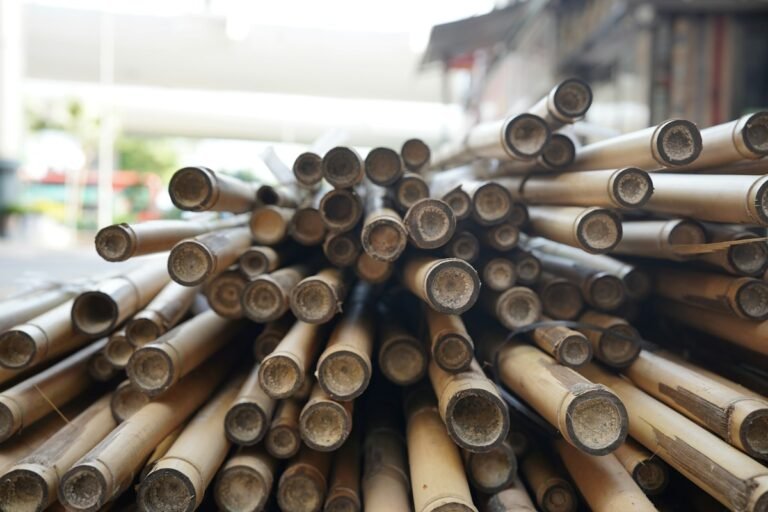
– 100% natural materials: bamboo and jute in every product.
– Eco-friendly production: minimal water, no chemicals.
– Plantable products: like their popular plantable pencil that sprouts herbs.
– Innovative designs: practical, beautiful, mindful.
– Community engagement: workshops, school partnerships, eco-campaigns.
They blend design with responsibility. Every item tells a story. Every purchase makes a difference.
Real Products, Real Impact
Aegle Sriphal’s range is more than “stuff”. It’s impact in your hands. Examples:
– The Plantable Pencil: write, then plant the nub to grow basil or mint.
– The Bamboo Homeware Collection: utensils, cutting boards, all plastic-free.
– Durable jute bags: strong enough for groceries, kind to the earth.
These offerings showcase how a clear focus on eco-design can boost corporate sustainability ROI. Customers buy with purpose. They return because they trust the brand.
Calculating Your Sustainability Payoff
Ready to quantify your green gains? Here’s a simple framework:
- Track sales lift post-launch of sustainable products.
- Measure customer loyalty via repeat purchase rates.
- Monitor brand sentiment on social media and reviews.
- Calculate waste reduction savings in production.
- Factor in premium pricing—a small markup often offsets higher material costs.
By following these steps, you’ll see exactly how investing in sustainability lifts your ROI.
Overcoming Barriers: Sustainable Costs vs Long-term Gains
Yes, eco-friendly production can cost more upfront. But:
– Higher-quality materials often last longer.
– Eco-credentials let you price at a premium.
– A loyal base reduces acquisition costs over time.
– Positive media and third-party endorsements boost credibility.
In Europe, where customers are savvy and choices abound, a clear sustainability narrative can set you apart.
The Future of Eco-Friendly Retail in Europe
The green market is booming. Europe’s eco-goods sector is expected to expand at 5-7% CAGR. Government regulations nudge businesses toward greener practices. Social media amplifies every initiative.
For SMEs, the message is clear: embedding sustainability is no longer optional. It’s how you secure stronger corporate sustainability ROI, build customer loyalty, and future-proof your brand.
Take the Next Step in Sustainable ROI
Ready to transform your eco-commitment into measurable gains? Partner with Aegle Sriphal. Explore products that embody sustainability—from plantable pencils to jute bags. See how real green choices can bolster both your reputation and your revenue.