Understanding the Push for Sustainable Packaging
You’ve heard it before: “We need to reduce plastic.” But what does that look like for your small to medium enterprise? The answer often lies in natural fibres—bamboo and jute top the list. Both materials are renewable, sturdy, and compostable. They help cut down plastic waste and match rising consumer demand for planet-positive choices.
Here’s the big picture:
– The global green products market is set to hit $300 billion by 2025.
– Bamboo and jute lead the pack in renewables.
– European regulations favour Extended Producer Responsibility (EPR) schemes.
And yes, that means you need to get on board with bamboo product packaging to stay relevant—and green.
Bain & Co’s LICT Framework: A Toolbox for SMEs
In their report, Bain & Co introduced the LICT framework. LICT stands for:
- Legislation
- Infrastructure
- Consumers (and Retailers)
- Technology
This simple model helps you sort out where to focus when building your circular packaging strategy. Let’s break it down.
Legislation
Europe’s EPR schemes are already in full swing. Under EPR, producers foot the bill for recycling and waste recovery. Tip: Use local guidelines to retrofit your bamboo product packaging. Aim for materials that meet or exceed your region’s standards.
Infrastructure
Not all cities have composting points or jute-collection bins. Map out the recycling and compost network in your target region. For bamboo product packaging, check if your paper mills accept mixed fibres or need pure bamboo pulp.
Consumers and Retailers
Surveys show only 14% of EU buyers factor ESG issues into purchase decisions. Yet 40% say they care about the planet. There’s a gap. Close it with clear labels, QR codes, or mini-guides on how to compost your bamboo product packaging and jute sacks.
Technology
Think beyond a standard box. Smart ink, biodegradable coatings, refillable jute pouches—there’s a tech angle for every budget. Track shipments and returns digitally. Use IoT tags for jute bags that loop back into your supply chain.
Applying LICT to Bamboo and Jute Packaging
So you’ve got the framework. Now, let’s apply it.
Legislation: Navigating Standards and Fees
- In the UK and EU, EPR fees vary by material.
- Bamboo often sits in the “fibre” bracket—lower fees.
- Jute? Same deal, but confirm with local authorities.
Pro tip: Align your designs with upcoming rules on labelling and recyclability. Show off your bamboo and jute credentials.
Infrastructure: Closing the Loop
Bamboo biodegrades fast. Jute rots in months. But only if facilities exist. Partner with local waste management. Consider:
– Hosting drop-off points.
– Collaborating with composting startups.
– Leveraging community recycling days.
This proactive approach boosts your brand and helps consumers do the right thing.
Consumer Engagement: Educate and Empower
Consumers get confused by symbols. A “plantable pencil” that sprouts wildflowers? They love it. A “recyclable jute pouch”? They might need a nudge. Use:
– Infographics.
– QR codes linking to how-to videos.
– Simple icons.
This way, your bamboo product packaging speaks directly to eco-users.
Technology: Innovations in Natural Packaging
Smart labels that dissolve in water. Embedded seeds in jute labels. Biodegradable inks on bamboo cases. These ideas aren’t sci-fi. They’re happening right now. Keep an eye on plantable materials and low-impact coatings to stay a step ahead.
Aegle Sriphal’s Eco-Friendly Solutions
At Aegle Sriphal, we live and breathe natural materials. Our USP?
– 100% natural materials.
– Eco-friendly production.
– Plantable products that teach sustainability.
– Innovative designs blending function with planet care.
Product Spotlight: Plantable Pencils
Imagine a pencil that turns into wildflowers. That’s our plantable pencil. Once you finish writing, just plant the stub. Watch nature take over.
Bamboo Homeware
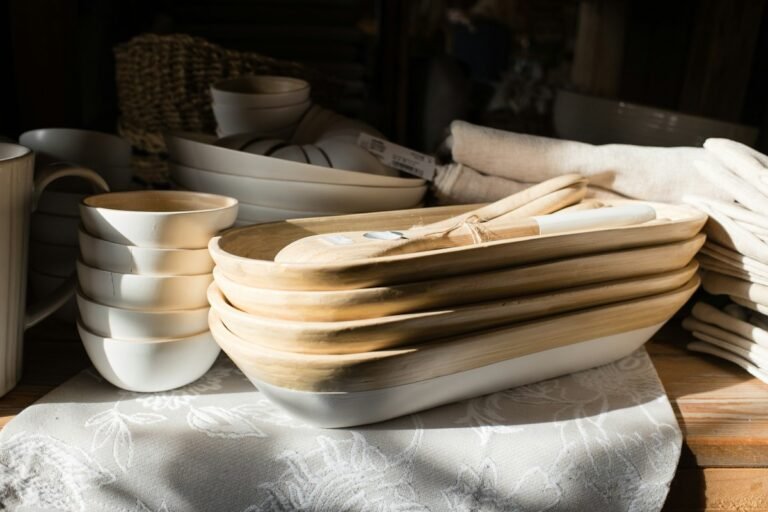
Bowls, trays and toothbrush handles carved from certified bamboo. Sturdy, stylish and fully compostable. Perfect for brands wanting bamboo product packaging* with a story.
Maggie’s AutoBlog
Need fast, SEO-ready content on sustainability? Meet Maggie’s AutoBlog—our AI-powered platform that whips up geo-targeted articles. You stay on message without drilling through Google’s ever-changing algos.
Real-World Case Studies
Bain & Co shared BeautyCo’s hiccups. They bet on compostable packaging in Brazil—only to hit infrastructure roadblocks. Now, imagine a SME that blends bamboo boxes with local compost schemes. That’s you in 2026.
At Aegle Sriphal, we helped a boutique tea company switch from plastic bags to jute pouches lined with a thin bamboo label. Result?
– 30% drop in logistics costs.
– 50% reduction in packaging waste.
– A new customer base of eco-enthusiasts.
Practical Steps for SMEs to Get Started
- Audit your current packaging spend.
- Map legislation and EPR fees in your markets.
- Reach out to local compost/recycle partners.
- Prototype your bamboo product packaging and jute designs.
- Test with a small focus group—iterate fast.
Don’t forget to educate your buyers. A little handout or a QR code goes a long way.
Looking Ahead: Trends in Bamboo Product Packaging
- Reusable refill systems in jute containers.
- Bio-inks from algae on bamboo cartons.
- Modular packaging that converts into plant pots.
Stay nimble. Keep your ear to the ground. And join communities for eco-minded brands.
Conclusion
Sustainable packaging isn’t a trend. It’s a necessity. Bamboo and jute offer a clear path forward—renewable, stylish and circular. Use the LICT framework to guide your journey. Leverage Aegle Sriphal’s plantable pencils, bamboo homeware and Maggie’s AutoBlog to stand out. The future is green. Are you ready?