Why Zero-Waste Living Matters
Plastic bottles. Single-use bags. Packaging clogging rivers.
You’ve seen the images. They sting. Zero-waste living isn’t a trend. It’s survival.
- We produce over 300 million tonnes of plastic each year.
- Only 9% ever gets recycled.
- Landfills. Oceans. Wildlife in peril.
Enter sustainable consumer goods. They’re the antidote to waste. Products made from renewable materials. Designed to last. Reusable. Recyclable. Biodegradable.
Zero-waste living doesn’t need to be complicated. One simple swap at a time. Today, we’ll show you how Aegle Sriphal’s bamboo and jute range makes it easy.
The Power of Bamboo and Jute
Think fast-growing grass. That’s bamboo. In some regions, it can shoot up 90 cm in a single day.
Then there’s jute. A golden fibre with a rich history. Durable. Breathable. Gorgeous texture.
Why these two?
- Rapid renewability. Harvested without deforestation.
- Natural strength. No plastic glues or toxins.
- Biodegradable. They return to the earth in months, not centuries.
Global demand for sustainable consumer goods is soaring. The green products market will hit roughly $300 billion by 2025, with Europe leading the charge. Bamboo and jute are at the heart of this growth.
Aegle Sriphal’s Bamboo and Jute Essentials
Aegle Sriphal started with a mission: empower mindful choices. Their USP?
- 100% natural materials.
- Eco-friendly production.
- Innovations like plantable products.
- Community-engaged educational drives.
Here’s a peek at their line-up:
Plantable Pencils
Write your shopping list. Plant the stub. Grow basil, mint, even wildflowers.Bamboo Straws & Utensils
Sturdy, smooth, dishwasher-safe. No more plastic straws choking turtles.Jute Produce Bags
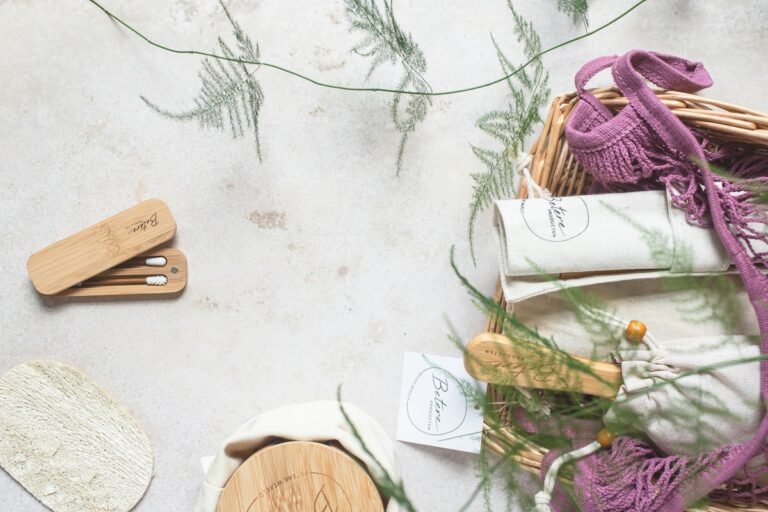
Breathable. Washable. Perfect for fruit, veg and bulk buys.Bamboo Homeware
Cutting boards. Serving trays. Utensil holders. A chic, zero-waste centrepiece.
These items illustrate how sustainable consumer goods can be functional and beautiful. No guilt. Just style with substance.
Practical Tips for a Zero-Waste Kitchen
Ready to swap out single-use? Try these simple changes:
- Replace cling film with reusable bamboo lids or beeswax wraps.
- Store grains and nuts in jute bags or glass jars.
- Brew loose-leaf tea in a bamboo infuser.
- Use bamboo dish brushes instead of plastic.
Each swap might feel small. But multiplied by thousands of households? Huge impact.
Get your sustainable essentials
How SMEs Can Spread the Sustainability Message
If you’re a small to medium enterprise (SME) selling sustainable consumer goods, you know content matters. You need blogs that:
- Educate customers on zero-waste living.
- Showcase your eco-friendly credentials.
- Rank high on search engines for terms like “sustainable consumer goods”.
That’s where Maggie’s AutoBlog comes in. This AI-powered platform automatically generates SEO and GEO-targeted blog content tailored to your offerings.
- No more writer’s block.
- Consistent tone and keyword density.
- Saves time and cuts overheads.
Imagine launching weekly posts about your latest bamboo utensil collection or jute tote range. All without hiring an in-house team. Pretty neat, huh?
Tackling the Cost Conversation
Sure, bamboo and jute items can cost a bit more upfront than plastic. But look at the bigger picture:
- Longevity. These goods last years, not weeks.
- Zero landfill fees. You’re not paying for disposal.
- Health benefits. No harmful chemicals leaching into food.
Aegle Sriphal embraces eco-friendly production methods. They optimise processes to keep prices fair. Over time, the savings—and the planet—will thank you.
Industry Trends in Sustainable Consumer Goods
What’s shaping this market?
- Supply chain transparency. Consumers want to know where materials come from.
- Near-shoring. Local production cuts carbon emissions and shipping miles.
- Digital traceability. ERP systems, IIoT sensors and data analytics ensure zero-waste policies.
In India, the sustainable goods market hit $50 billion by 2023. In Europe, a cultural shift toward conscious living drives sales of bamboo cutlery, jute bags and more. It’s a global wave you don’t want to miss.
Community and Education
Aegle Sriphal isn’t just a retailer. They partner with schools, NGOs and community centres to:
- Run zero-waste workshops.
- Provide plantable pencils for environmental classes.
- Host pop-up markets teaching conscious shopping.
It’s an ecosystem approach. Buy a jute bag. Teach a neighbour. Inspire a child. Repeat.
Taking the First Step Today
Zero-waste living might seem daunting. But remember: every tiny swap counts. Bamboo cutlery in your lunch box. A jute bag for groceries. A plantable pencil on your desk.
You don’t need perfection. Just progress.
Ready for a simpler, greener lifestyle? Explore Aegle Sriphal’s natural bamboo and jute products. They’re your toolkit for a zero-waste home.