Why Eco-Friendly Fitness Wear Matters (and Why Synthetics Fall Short)
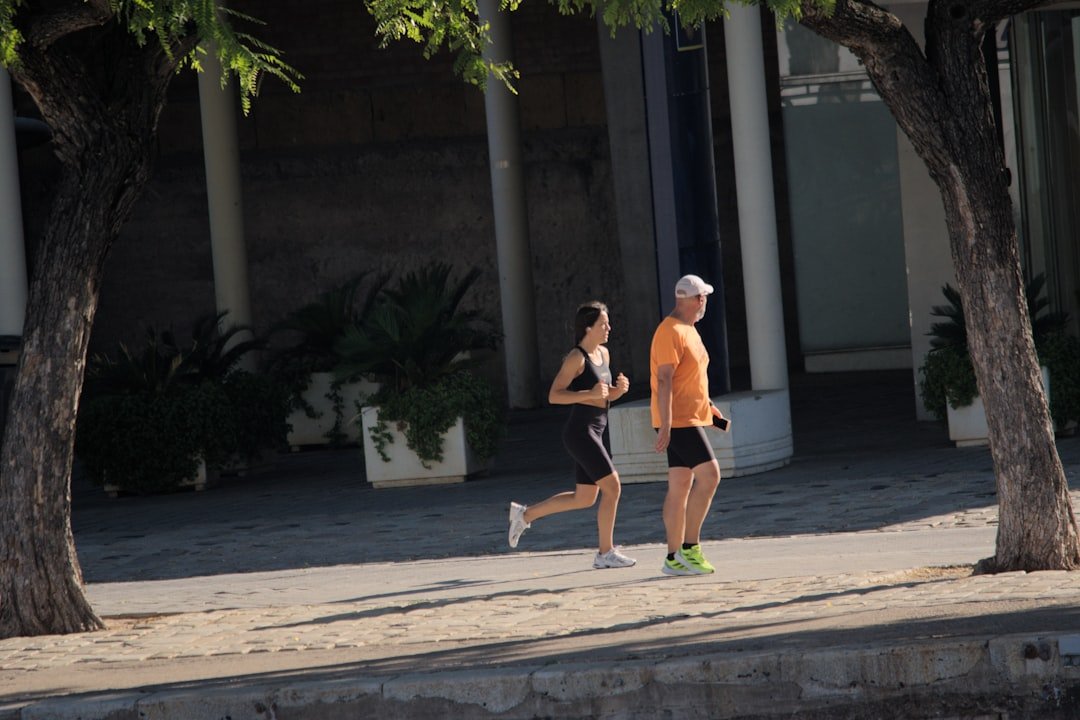
You love your morning jog. I get it. But have you thought about what your leggings leave behind? Synthetic fibres can shed microplastics. Those tiny bits never really go away. They clog waterways. They end up in soil. The climate cost? Huge.
By switching to eco-friendly fitness wear, you:
- Cut out microplastic pollution
- Reduce reliance on fossil fuels
- Support fair wages and better working conditions
- Lower your overall carbon footprint
Contrast that with fast-fashion sports brands. Many still use virgin polyester, nylon or elastane. Their workers often face poor conditions. Their products sit in landfill for centuries. Not exactly guilt-free.
The Hidden Costs of Mainstream Sportswear
- Microplastics: Over 700,000 fibres per wash load
- Carbon emissions: 6.4 kg CO₂e per 150 gsm of virgin polyester
- Exploitative labour: sweatshops and wage theft
- Greenwashing: style over substance
That’s why eco-friendly fitness wear isn’t just a trend. It’s a lifestyle shift.
Natural Fibres in Sportswear: Bamboo, Jute, and Beyond
Aegle Sriphal specialises in 100% natural materials. No half-measures. Let’s dive into the stars of the show.
Bamboo: Breathable, Biodegradable, Beautiful
Bamboo grows fast. It captures carbon like a champ. But not all bamboo fabrics are equal.
- Viscose bamboo: uses harsh chemicals
- Modal and lyocell bamboo: closed-loop process, minimal waste
Aegle Sriphal opts for bamboo lyocell. Soft. Moisture-wicking. Quick-dry. And it breaks down naturally at the end of its life.
Jute: The Unsung Hero of Activewear
Jute is durable. It’s breathable. And it’s farmed with very little water compared to cotton.
- Naturally antimicrobial
- Great tensile strength for gym bags and wraps
- Biodegradable in compost
Our jute accessories — from headbands to carry totes — are hand-woven by fair-trade artisans. Stylish, sturdy and sustainable.
Organic Cotton and Hemp: Classic Choices
Organic cotton and hemp round out our range:
- GOTS-certified cotton for softness
- Hemp for strength and UV protection
- Blended minimally for just the right stretch
Mix and match fabrics based on your workout needs and the planet’s well-being.
Aegle Sriphal’s Approach to Ethical Sportswear
So, what sets Aegle Sriphal apart? Spoiler: it’s more than just materials.
- Eco-friendly production methods
Solar-powered dye houses. Water-saving weave techniques. Zero toxic discharge. - Plantable tags
Each garment comes with a seed-embedded tag. Plant it. Grow wildflowers. Teach the next generation. - Innovative, functional design
Breathable fits. Flat seams. Hidden pockets for energy gels. - Community engagement
Workshops in local schools. Webinars on sustainable living. Trust us… it’s fun.
By focusing on these USPs, we solve the usual limitations of big brands:
- No greenwashing claims
- No hidden supply-chain issues
- No microplastic nightmare
Ready for a sneak peek?
Discover our sustainable designs
How to Pick Truly Ethical Sportswear
Buying eco-friendly fitness wear can feel overwhelming. Here’s a handy checklist.
- Check the fibre provenance
– Look for GOTS, OEKO-TEX or Fair For Life. - Inspect manufacturing transparency
– Are factory records public?
– Do they list worker wages and hours? - Evaluate end-of-life care
– Compostable or recyclable?
– Take-back schemes? - Assess durability
– Does it withstand 30 °C washes?
– Will seams hold up under squat jumps? - Try secondhand first
– Extend the life cycle.
– Thrift stores and online resale.
Remember: eco-friendly fitness wear isn’t always the cheapest up front. But factor in longevity, repairs and biodegradability. The real cost per wear often beats fast fashion.
Comparison: Aegle Sriphal vs Mainstream Sports Giants
| Brand | Material Mix | Labour & Ethics | End-of-Life |
|---|---|---|---|
| Aegle Sriphal | Bamboo lyocell, jute, organic cotton | Fair-trade, local | Compostable + plantable tags |
| Mega Swoosh Co. | Virgin polyester, elastane | Low transparency | Synthetic landfill |
| Big Three Stripes | Recycled poly (20%), cotton blends | Some sweatshop reports | Down-cycled only |
Those big names push recycled polyester. But it’s still plastic. And their supply chains? A mixed bag. Choose eco-friendly fitness wear that’s truly green — from field to finish.
Maintaining and Disposing of Natural Fibre Activewear
Caring for natural fibres is simpler than you think.
- Wash cold, inside out
- Use plant-based detergent
- Skip the dryer (air-dry to save energy)
- Mend small tears promptly
- Compost when worn out
No microplastic filters. No landfill guilt. Just a cycle that starts and ends with nature.
FAQs About Eco-Friendly Fitness Wear
Q: Is bamboo fabric strong enough for intense workouts?
A: Absolutely. Bamboo lyocell blends offer tensile strength on par with nylon. Plus, they breathe better.
Q: Will jute shorts feel scratchy?
A: Not on our watch. We soften jute with a light organic cotton lining. Comfy and cool.
Q: How long until a plantable tag sprouts?
A: Seven to ten days in moist soil. Wildflowers or herbs — your choice.
Q: Can I compost my old gear at home?
A: Yes — if it’s 100% natural. Remove any non-fabric bits (zips, labels). Chop into small pieces. Add to your compost heap.
Wrap-Up
Switching to eco-friendly fitness wear means making conscious choices. It’s about materials, yes. But it’s also about people and the planet. With Aegle Sriphal, you get:
- Natural fibres that perform
- Transparent, ethical production
- End-of-life solutions that regenerate
- Community projects that educate and inspire
Join the movement. Feel good in your gear. And watch your plantable tag grow into something beautiful.