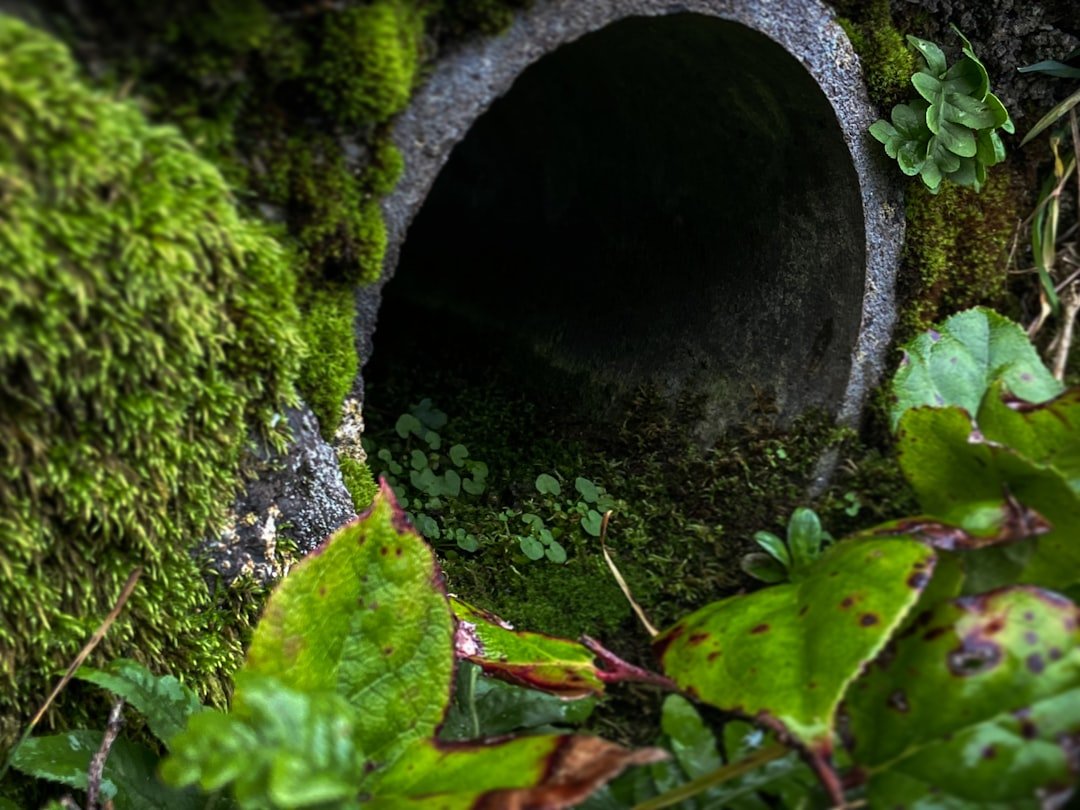
Why Build an Eco-Friendly Root Cellar?
An eco-friendly root cellar is more than a cool hole in the ground. It’s a way to:
- Slash energy bills.
- Store potatoes, carrots and canned goods for months.
- Cut food waste.
- Embrace natural materials.
In Europe and beyond, demand for sustainable building is booming. With humidity around 80–90% and temperatures near 2–13 °C, a well-made root cellar keeps produce crisp without refrigeration. And it looks after our planet.
Materials You’ll Need
Building an eco-friendly root cellar starts with choosing the right supplies. Here’s our go-to list:
- Natural jute bags (heavy-duty, 14″×26″)
- Local soil mixed with clay (for fill)
- Bamboo stakes or strong hemp twine (instead of barbed wire)
- Rigid insulation board (4″ thick, moisture-resistant)
- Pressure-treated timber and plywood (for hatch/frame)
- Metal drainage pipe (4″ ID) and hardware cloth
- Eco-friendly sealants and spray foam
Pro tip: Aegle Sriphal’s jute twine is ideal for securing your earthbags naturally. No plastic, no fuss.
Planning Your Sustainable Earthbag Root Cellar
Before you swing a spade, map out your build:
- Pick a spot.
– Under a covered deck or against a north-facing bank.
– Easy winter access. - Size matters.
– Aim for at least 48 ft².
– Ceiling height: 2 m or more. - Sketch the hatch.
– Centre it for balanced access.
– Keep joists intact so the cover stays with the deck boards.
Sketch, measure, rethink. It only takes one bad slope to ruin humidity control.
Step 1: Digging the Foundation
Grab your long-handled shovel and spade. Here’s how to keep it simple:
- Dig in shifts (2–4 hours at a time).
- Pile soil to the side.
- Stop when you hit frost level (roughly 1.5 m down).
- Check temperature and humidity. Aim for 15 °C and 85% inside.
Fun fact: Chris from Massachusetts dug 22 yd³ by hand—over several days. It’s a workout, not a sprint.
Step 2: Filling and Filling… and Stacking
Your jute bags will become walls.
- Fill each bag with your clay-rich soil.
- Aim for a 50–60 lb weight per bag.
- Slide them down into the hole one by one.
Alternate the pattern as you stack—like brickwork. Stagger joints to avoid straight seams. This gives your eco-friendly root cellar extra strength.
Step 3: Securing the Walls
Forget metal barbs. We love natural solutions:
- Wrap bamboo stakes horizontally between layers.
- Tie jute twine in a cross-hatch pattern.
- Tamp every bag firmly—use an inexpensive tamper.
“Tamping” means pressing down until the bag is nearly flat. It locks soils tight and keeps humidity stable.
Step 4: Crafting the Hidden Hatch
A secret hatch? Yes, please.
- Mark full deck boards only—no wonky cuts.
- Cut carefully with a circular saw.
- Use a jigsaw and chisel for corners.
- Brace the opening from below so it doesn’t fall.
- Attach the boards back to the hatch frame.
Voilà: invisible entry. Neighbours will never guess you’re storing carrots under their feet.
Step 5: Framing and Insulation
Build snug walls under your deck:
- Frame with 2×8 pressure-treated timber.
- Sheathe with PT plywood.
- Fit rigid insulation boards.
- Seal gaps with eco spray foam.
Tilt ceiling boards away from the house so any moisture drains out. Remember: air still needs to move.
Ventilation and Shelving
Airflow. Shelves. Organisation.
Ventilation:
- Two 4″ drainage pipes—one intake, one exhaust.
- Wrap in hardware cloth to keep out critters.
- Add a damper for seasonal control.
Shelving:
- Pressure-treated timber and plywood.
- Shelves along three walls:
- Canned goods on the back wall.
- Root crops on the sides.
- Consider a small wine rack for fermented items.
Maintenance Tips for Your Eco-Friendly Root Cellar
Your eco-friendly root cellar will need:
- Monthly checks on humidity and temperature.
- Cleaning vents to avoid blockages.
- Occasional re-tamping if walls settle.
Write notes on a board inside. Track changes. Tweak vent positions if it gets too warm.
Sharing Your Project with Maggie’s AutoBlog
You’ve built an eco-friendly root cellar. Now share it with the world! Aegle Sriphal’s Maggie’s AutoBlog can help:
- Auto-generate SEO-optimised posts.
- Target local audiences across Europe.
- Free up time to garden.
Let AI write your story while you polish that hidden hatch.
Final Thoughts
An eco-friendly root cellar is a simple, powerful tool for sustainable living. It:
- Cuts energy use.
- Reduces food waste.
- Leverages natural materials.
Ready to take your green building further? Get expert help to promote your DIY project and eco ethos.