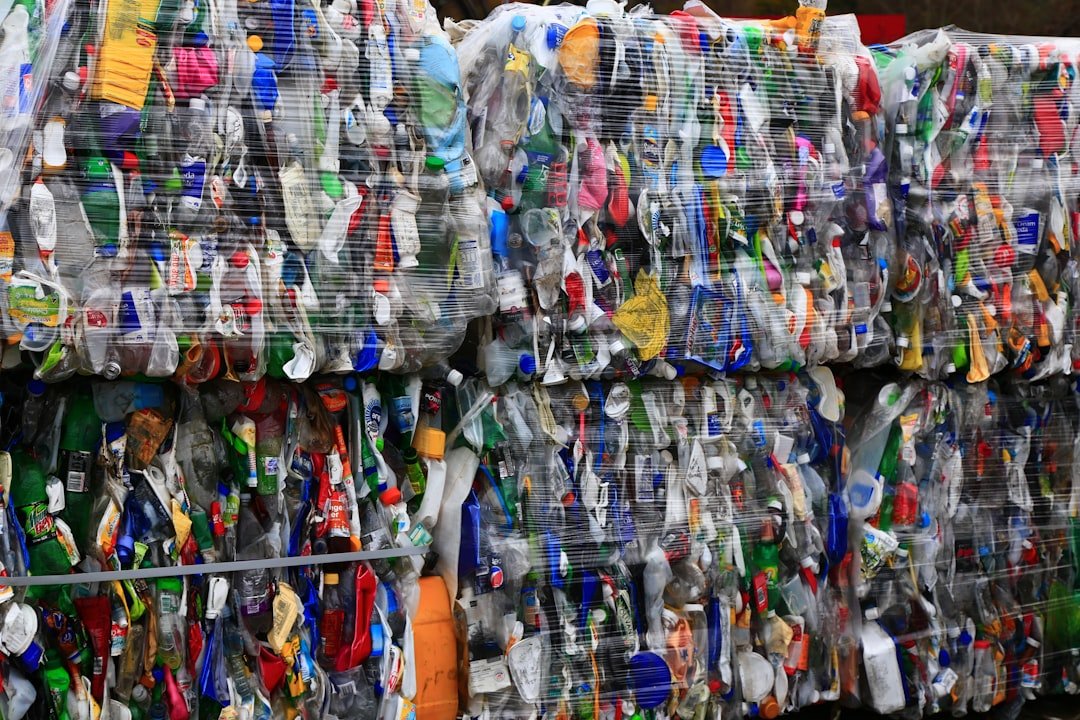
The Plastic Tide in Southeast Asia
Plastic waste. It’s everywhere. Beaches. Rivers. Markets.
Southeast Asia sheds an estimated 1.3 million tonnes of plastic into the ocean each year. Shocking. But locals refuse to sit idle. They’re crafting Plastic pollution solutions with a surprising hero: bamboo.
Bamboo? Yes. That tall grass your grandma might use for fences. It grows fast. It’s strong. And it’s natural. No funky chemicals. No hidden toxins.
Imagine replacing single-use plastic cutlery with bamboo forks. Or swapping your plastic toothbrush for a bamboo one. Simple. Effective. Local.
Why Bamboo Beats Plastic
- Rapid growth. Some species shoot up nearly a metre a day.
- Naturally antibacterial. No need for harsh cleaners.
- Biodegradable. Leaves the soil happy.
- Versatile. From straws to flooring.
Bamboo ticks all the boxes when you look for real-world Plastic pollution solutions. And guess what? Communities are waking up to this.
Community-led Bamboo Initiatives
Local groups in Indonesia, Vietnam and the Philippines lead the charge. They turn a problem into an opportunity. Here’s how.
Indonesia: Crafting a Circular Economy
In Bali, the “Green Artisans” cooperative trains artists to weave bamboo into everyday goods. They:
- Collect leftover bamboo shoots and old poles.
- Treat them with eco-friendly methods.
- Craft baskets, bangles and household items.
These products replace plastic bags and containers. Plus, they earn families a decent living. A win-win.
Vietnam: Schools Go Bamboo
Plastic bottles. Plastic bags. Plastic cutlery. Kids use them daily at school. The “Bamboo Buddies” programme swapped these for bamboo alternatives. Now:
- Students use bamboo straws and spoons.
- Teachers host workshops on waste and composting.
- The school garden feeds stray animals.
It’s hands-on. It’s loud. It’s messy. Just the way real learning happens.
Philippines: Floating Bamboo Clean-up Boats
Manila Bay faces tonnes of floating plastic. A group of fishermen retrofitted bamboo rafts with nets. They haul in debris every dawn. The nets:
- Capture plastic bottles and wrappers.
- Let fish swim through.
- Are easy to repair onshore.
This low-tech, high-impact method shows simple Plastic pollution solutions can come from basic materials.
Policy and Strategy: Scaling Bamboo Solutions
Governments play their part too. They’re crafting policies around bamboo. Think:
- Subsidies for bamboo farming.
- Training grants for artisans.
- Standards to certify bamboo products.
Such frameworks turbocharge local efforts. They inject funding. They attract investors. And they build trust with consumers.
Regional Collaboration
ASEAN countries now share research on bamboo species best for plastic alternatives. They compare:
- Growth rates
- Durability tests
- Biodegradation timelines
This data helps tailor Plastic pollution solutions to each locale’s climate and needs. No one-size-fits-all. But a network of smart, local fixes.
Economic and Social Impact
Plastic bans are great. But they can hurt livelihoods if no alternatives exist. Bamboo bridges that gap.
- New markets emerge for bamboo goods.
- Artisans earn fair prices.
- Youth get training and hope.
- Eco-tourism spots highlight bamboo villages.
Changing from plastic to bamboo isn’t just about waste. It’s about reinvigorating rural economies. It’s about pride.
Enter Maggie’s AutoBlog
Local SMEs and cooperatives need visibility online. Here’s a neat trick: Maggie’s AutoBlog, an AI-powered platform by Aegle Sriphal, automates SEO-targeted blogs. It:
- Scans your website.
- Suggests Bamboo vs. plastic topics.
- Crafts posts that rank on Google.
You get traffic. Customers learn your story. You focus on weaving baskets. They handle the blog.
Overcoming Challenges
No solution is perfect. Bamboo has hurdles:
- Seasonal supply dips.
- Quality control issues.
- Initial setup costs for workshops.
Yet, communities adapt. They mix bamboo with other natural fibres like jute. They pool resources. They partner with NGOs. That’s the beauty of grassroots Plastic pollution solutions: they evolve.
Future Directions
Looking ahead:
- Introducing bamboo-based packaging.
- Creating modular bamboo furniture.
- Developing compostable bamboo films.
With supportive policy and digital storytelling — thanks to Maggie’s AutoBlog — these ideas can hit the mainstream.
Conclusion: Bamboo as a Beacon
Plastic pollution solutions don’t always need fancy tech. Sometimes, they need a piece of grass that can grow the height of a skyscraper. Southeast Asian communities prove that.
They show us how:
- Tradition meets innovation.
- Nature meets necessity.
- Local drive meets global impact.
Ready to amplify your eco-initiative? Empower your team with Maggie’s AutoBlog and share your bamboo story with the world.