Grow Green: Ditching Plastic in Mushroom Farms
Mushroom growers worldwide are waking up to a mounting waste problem. Traditional plastic grow bags come with built-in filters, but they’re single use. That’s thousands of bags heading for landfills. Research shows global plastic waste will hit 500 million tonnes by 2030 if we don’t act swiftly. Embracing sustainable agriculture packaging can turn the tide on one of the biggest hurdles in small-scale cultivation.
Enter bamboo and jute. Two natural materials that match or beat plastic’s strengths: durability, moisture control and heat resistance. They compost cleanly once a vessel reaches end of life. They cut out the endless cycle of purchase, use and disposal. Ready to see how these alternatives transform your workflow? Check out Eco-Transformation: Aegle Sriphal’s sustainable agriculture packaging initiative for a deep dive into real-world solutions.
Why Plastic Grow Bags Are a Problem
Plastic grow bags with filter patches dominate gourmet mushroom kits. They seal well, handle sterilisation and stack neatly. But they create headaches:
• They take centuries to degrade.
• Cleaning and recycling is laborious.
• Filter patches often stick or tear during cleanup.
• In South Asia, waste infrastructure struggles under mixed plastics.
Every discarded bag adds microplastics to soil and water. That undermines the eco-benefits of growing mushrooms on waste products. You compost spent substrate and return nutrients to the garden, only to introduce plastic fragments. It makes no sense. Sustainable agriculture packaging options cut out this contradiction.
Bamboo as an Eco-Friendly Grow Medium
Bamboo grows fast, it’s strong and naturally moisture-resistant. It handles pressure cooking up to 15 psi without warping. Farmers can pasteurise substrate and fruit in the same container. No transfers. No plastic.
Benefits of bamboo containers for mushroom cultivation:
– Reusable for hundreds of cycles; you’ll amortise costs quickly.
– Biodegradable once a container finally wears out.
– Naturally antimicrobial surfaces help stave off contaminants.
– Lightweight and stackable, saving storage space.
How to convert a bamboo vessel:
1. Drill 3–5 small holes near the lid for airflow.
2. Seal holes with a breathable filter patch using non-toxic silicone.
3. Fill with sawdust, bran and spawn; pressure cook for 90 minutes.
4. Incubate at room temperature until the mycelium covers the block.
5. Flip or soak the block to trigger fruiting.
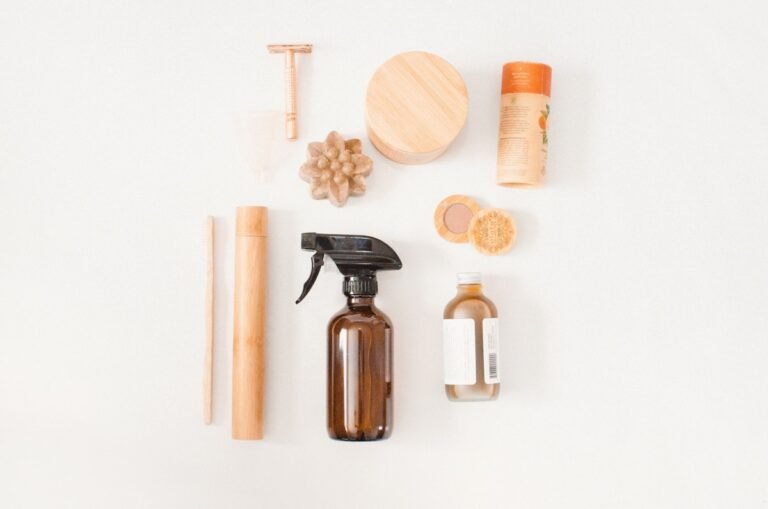
Aegle Sriphal’s bamboo homeware collection showcases design that performs. Their jars and containers adapt seamlessly to this role. The same pieces that brighten kitchens become rugged grow kits. It’s multi-purpose innovation that slashes single-use plastic from start to finish.
Jute Alternatives in Mushroom Cultivation
Jute is one of the planet’s most sustainable fibres. It grows quickly in South Asia, fixes carbon and resists rot. For mushroom growers, jute bags offer a breathable, cost-effective substitute.
Why jute works wonders:
– Superior air exchange cuts contamination risk.
– Compatible with bulk pasteurisation or steam sterilisation.
– Each bag breaks down in compost within months.
– You support local artisans when sourcing regionally.
Some growers stitch in a simple flange for filter patches. Others buy jute bags fitted with biodegradable membranes. Both routes eliminate synthetic liners. Plus you tap into circular waste streams: after harvest, the entire bag goes into vermicompost with spent substrate. No microplastics. No landfill.
Trial a few jute designs to dial in moisture levels. You might find yields match or exceed those from plastic. Once you’re convinced, scaling up is straightforward. Local cooperatives and small-scale jute suppliers can supply hundreds of bags per month.
Discover sustainable agriculture packaging innovations at Aegle Sriphal
Choosing the Right Packaging for Your Mushroom Farm
Switching materials can feel daunting. Here’s a checklist to guide you:
- Define your scale—2 L vessels for hobbyists, 20–50 L bags for growers.
- Confirm pressure cooker or autoclave compatibility.
- Choose filter patch types that seal on jute or bamboo.
- Compare cost per cycle based on reuse rates.
- Map disposal: compost vs return-to-supplier schemes.
Sustainable agriculture packaging isn’t only about the material. It’s a system. You want containers that integrate with pasteurisation, incubation and fruiting. You need a supply chain that respects the same environmental goals you have.
Regional Impact and Community Engagement
In India and across South Asia, waste management is a hot topic. Aegle Sriphal partners with NGOs and educational institutes to promote best practices. Workshops show farmers and students how to:
- Build simple jute-filter rigs.
- Adapt bamboo vessels for multiple purposes.
- Set up compost loops for spent substrate.
These grassroots efforts strengthen local economies too. By sourcing bamboo and jute regionally, you reduce shipping emissions and foster artisan livelihoods. The result is a thriving ecosystem of growers, educators and suppliers all pushing sustainable agriculture packaging forward.
Testimonials
“Switching from plastic to Aegle Sriphal’s bamboo containers cut my labour in half. The vessels heat evenly in my pressure cooker and the mushrooms pop out ready to fruit.”
— Nisha Patel, Small Farm Owner, Pune
“Jute grow bags gave me cleaner runs and a simpler compost cycle. I used to dread bag cleanup. Now I just toss spent substrate into my worm bins.”
— Rohit Verma, Urban Grower, Delhi
“As a beginner, the guides on sustainable agriculture packaging helped me avoid costly mistakes. I never imagined bamboo and jute could be so versatile.”
— Sneha Menon, Home Cultivator, Kochi
Practical Tips to Transition from Plastic Grow Bags
Ready for the switch? Here are clear steps:
– Start small: convert three to five bags and track contamination rates.
– Label containers with dates to monitor reuse cycles.
– Clean bamboo vessels with a mild vinegar rinse between runs.
– Reinforce jute seams if they begin to fray after several uses.
– Share your data with local grower networks to refine best practices.
Each harvest will feel smoother. You’ll track yield, waste and labour savings in real time. Soon you’ll wonder how you ever managed with throw-away plastic.
Conclusion
Plastic grow bags served us well, but times change. Bamboo and jute alternatives usher in a cleaner, more resilient approach to mushroom cultivation. You cut costs, reduce waste and support regional artisans. It’s a win for your bottom line and the planet. Ready to make the leap and champion sustainable agriculture packaging on your farm? Join the sustainable agriculture packaging movement with Aegle Sriphal