A Greener Path to Reducing Plastic Waste
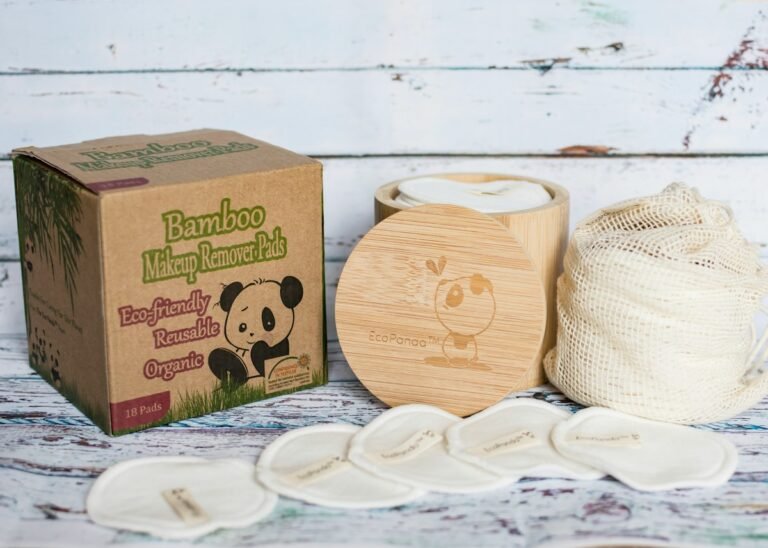
Plastic pollution is everywhere. From Mount Everest’s snow to Arctic sea ice, fragments of microplastics and nanoplastics mark our planet. Since 1950, we’ve produced over 8.3 billion tonnes of plastic, yet only around 9% gets recycled. It’s a scary picture, but the solution is surprisingly straightforward: switch to renewable, natural, sustainable materials that won’t linger for centuries. Bamboo and jute alternatives offer the durability and versatility we need – without the toxic legacy.
If you’re ready to make a real shift in your daily routine or business offerings, this is your moment. Discover how to adopt sustainable materials today, and see how simple changes can ripple into significant environmental benefits. Explore these ideas further at Discover sustainable materials with Aegle Sriphal’s Eco-Transformation Initiative.
The Scale of Plastic Pollution: Data-Driven Insights
Every year, the world churns out more than 460 million tonnes of new plastic. Most of it ends up in rivers, soils and ultimately in our oceans, where it can persist for hundreds of years. Recent research highlights that macro-plastics (>2.5 cm) were under-reported in past studies, meaning we’ve underestimated the volume entering marine systems. When we improve measurement for larger pieces, the annual input drops from an estimated 1 000 kilotonnes to around 500 kilotonnes—but the problem remains vast.
Microplastics and nanoplastics complicate the picture even further. They cycle between atmosphere, land and water, evading conventional clean-up efforts. Scientists agree the best way to curb this crisis is prevention. That means removing disposable plastic bags, bottles, cutlery and wrapping from daily life. Ending single-use plastics could cut aquatic plastic waste by roughly 40%. But where do you turn once you say “no” to plastic? Enter renewable fibres like bamboo and jute.
Why Bamboo and Jute Matter: Natural Champions
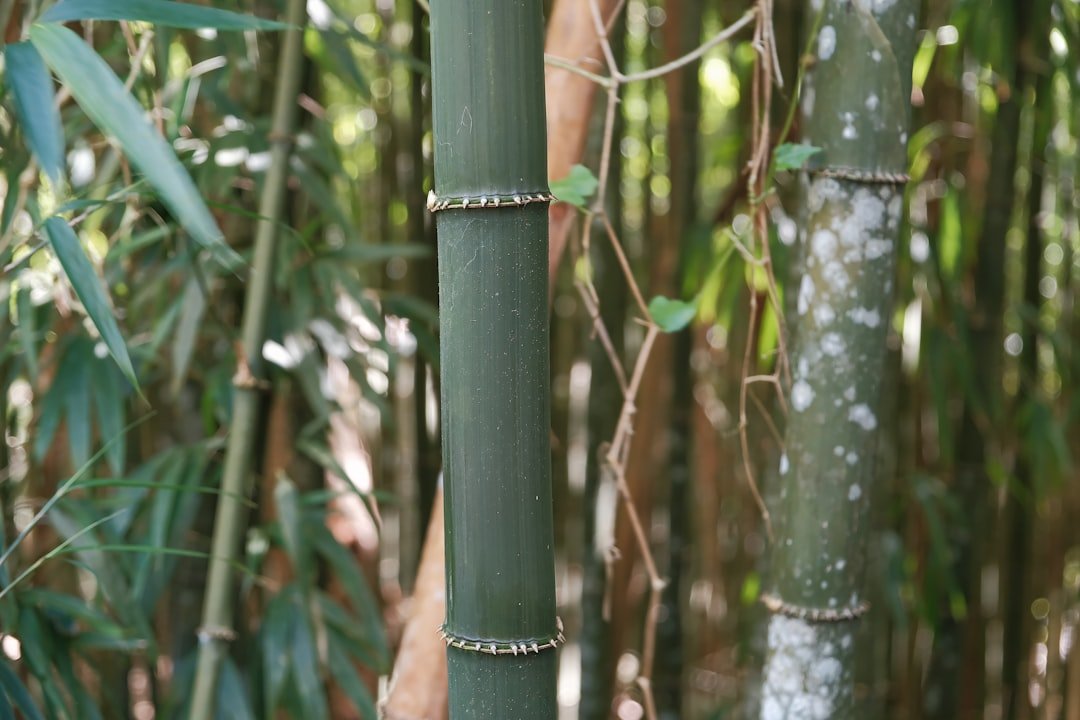
Bamboo and jute are remarkable. They grow quickly, require minimal water and no pesticides, and they absorb carbon as they mature. Here’s why they make ideal sustainable materials:
- Longevity and strength: Bamboo fibres rival hardwood, while jute’s tensile strength is perfect for packaging and textiles.
- Rapid renewability: Bamboo can grow up to a metre a day in optimal conditions. Jute reaches maturity in just 4–6 months.
- Biodegradability: Both break down naturally, returning nutrients to soil instead of clogging landfills.
- Versatility: From homeware and fashion to construction composites, these fibres replace plastics in countless applications.
Independent studies confirm that shifting to bamboo-based tableware or jute carry bags slashes greenhouse gas emissions and reduces reliance on petrochemicals. It’s no surprise that eco-minded brands are racing to adopt these sustainable materials at scale.
Aegle Sriphal’s Eco-Transformation: Blending Tradition with Innovation
Aegle Sriphal is at the cutting edge of the green movement. Their range spans plantable pencils, bamboo homeware and artisan-crafted jute accessories. Each product is designed with both utility and environmental education in mind. The aim? Encourage mindful living and foster deeper awareness of how daily choices impact the planet.
For small to medium enterprises (SMEs) looking to share this message online, Aegle Sriphal offers Maggie’s AutoBlog. This AI-powered service automatically generates SEO-optimised, geo-targeted content that highlights your sustainable practices. By weaving in eco-stories and facts—like how a jute bag can absorb up to 11 times its weight in moisture—you’ll engage customers and rank higher in search results.
Curious how your brand can benefit from a seamless content boost? Consider taking the next step with Transform your operations with sustainable materials from Aegle Sriphal.
Practical Steps for SMEs and Consumers
Transitioning to sustainable materials often sounds daunting, but it need not be. Here are some actionable tips:
- Audit your plastic usage. Identify single-use items in your office, café or home.
- Source bamboo utensils, straws and homeware. Local cooperatives often supply high-quality, fair-trade goods.
- Switch promotional merchandise to jute bags, notebooks and décor. They speak volumes about your eco-commitment.
- Educate through your channels. Use Maggie’s AutoBlog to publish stories on the life cycle of jute or the carbon-sequestering power of bamboo groves.
- Partner with NGOs, schools and community groups. Host workshops on weaving bamboo baskets or planting jute seedlings.
With these practical steps, you’ll cut plastic waste and inspire others. Plus, you’ll be part of a larger movement that values resource conservation and climate resilience.
Collaborations and Community Engagement
Real change happens when stakeholders unite. Aegle Sriphal works closely with universities, NGOs and corporate partners across South Asia and India to promote sustainable materials. By integrating bamboo and jute into educational curricula, they spark early interest in environmental stewardship. Community weaving centres, backed by local artisans, preserve cultural heritage while providing livelihoods.
If you’re a business or institution keen on a lasting partnership, there’s ample scope for collaborative research, bulk procurement of eco-products and co-branded awareness campaigns. By spotlighting traditional craftsmanship alongside modern design, these alliances amplify impact.
Taking Action Today: Your Role in the Solution
The science is crystal clear. Reduce plastic at the source. Embrace renewable fibres like bamboo and jute. Support brands that prioritise ecological balance. Each step—whether swapping a plastic straw for a bamboo one or partnering on a jute-planting drive—counts.
Aegle Sriphal’s mission is to make this switch effortless. Their curated collections of ** sustainable materials cater to both everyday consumers and forward-thinking SMEs. Ready to join the movement? Embrace sustainable materials today with Aegle Sriphal** and help us redefine eco-friendly living for generations to come.