Unveiling the Future of Sustainable Personal Care
Sustainable personal care is more than a buzzphrase, it’s a call to action. Global brands like Edgewell have pledged 100 % recyclable plastic packaging, a 10 % waste reduction and zero waste to landfill, yet they rely heavily on plastic. That’s a start, but what if we could remove plastic altogether? Enter natural materials. Imagine products crafted from bamboo, jute and seed-embedded fibres that return to the earth rather than linger in landfills.
Aegle Sriphal goes a step further, using 100 % natural materials and eco-friendly production from start to finish. Their plantable pencils, bamboo toothbrushes and jute personal care accessories aren’t just recyclable, they’re regenerative. Ready to transform your routine? Experience sustainable personal care with Eco-Transformation: Aegle Sriphal’s Sustainable Product Initiative.
Industry Commitments vs Natural Material Revolution
Traditional Sustainability Pledges
Many consumer goods companies promise greener practices, but they stop at better packaging. Common initiatives include:
– 100 % recyclable or compostable plastic packaging
– 10 % reduction in factory waste
– Ambitions for zero waste to landfill
These targets sound impressive, yet they still depend on plastic polymers and energy-intensive processes. Sustainable personal care, when rooted in plastic reduction alone, fails to address the source material. It’s like swapping one throwaway gadget for another without rethinking the gadget itself.
The Plastic Problem and Its Limits
Plastic, even if recyclable, can degrade in quality and often ends up incinerated or in ecosystems. Sorting and recycling rates vary widely by region, leading to hidden environmental costs. In the UK and Europe, recycling schemes help, but microplastics remain a pressing concern in personal care. Consumers seeking true sustainability need options that bypass plastic entirely.
Aegle Sriphal’s 100% Natural Materials: The Green Advantage
Aegle Sriphal’s secret weapon is material choice. Every product line uses renewable, biodegradable elements:
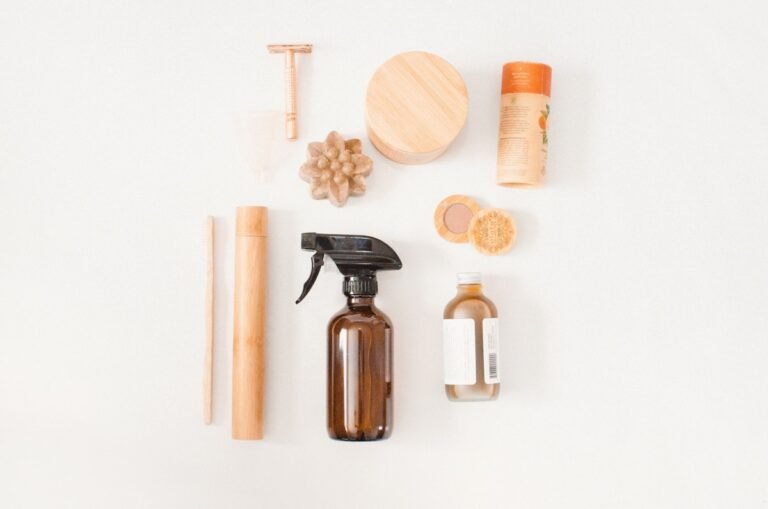
– Bamboo for toothbrushes, hair combs and kitchen-safe personal care tools
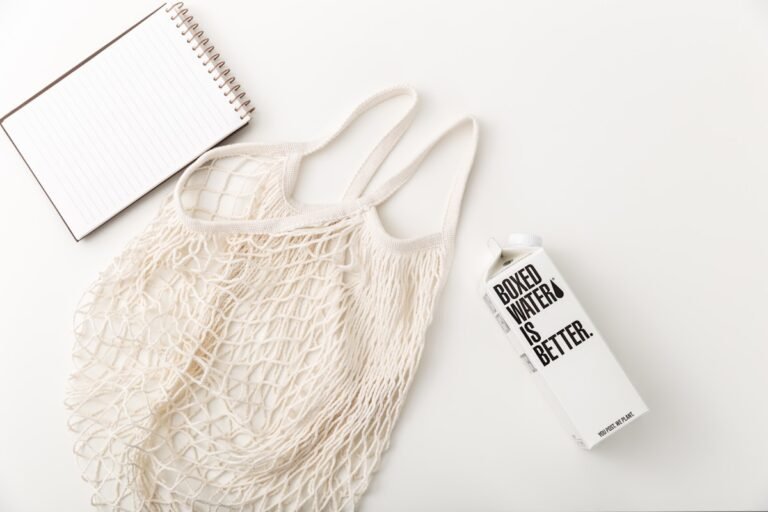
– Jute fibres in wash bags, exfoliating pouches and toiletry organisers
– Seed-embedded pencils that sprout herbs or wildflowers once spent
These materials grow quickly, need minimal resources and break down naturally, leaving no toxic residues. Compared with recyclable plastics, natural materials maintain their integrity without complicated waste streams.
Key benefits of this approach:
– Reduced energy use in production, as bamboo and jute require less processing
– Soil enrichment when seed-embedded fibres degrade in compost
– No microplastic pollution
This isn’t just theory. Real customers report softer bristles on bamboo toothbrushes, gentler exfoliation from jute pouches and a sense of pride when their used pencils sprout a herb garden. That’s sustainable personal care in action. Join the sustainable personal care movement with Eco-Transformation: Aegle Sriphal’s Sustainable Product Initiative
Beyond Materials: Eco-Friendly Production Methods
A green product stops being sustainable if manufactured with high emissions. Aegle Sriphal tackles this by:
– Sourcing local bamboo and jute to cut down transport miles
– Using solar-powered workshops and low-impact dyes derived from plant extracts
– Employing water-recycling systems in fibre treatment
Contrast that with the typical plastic rinse, grind, remould cycle—often shifting waste burdens overseas and consuming vast amounts of energy. Even “green” plastic can leak pollutants and microplastics during manufacturing and use.
Aegle Sriphal’s production footprint minimises CO₂ and water usage. Local partnerships in India and South Asia generate economic opportunities in rural communities while ensuring transparency. Workers receive training on sustainable harvesting and quality control, making it a socially responsible programme as well.
Cultivating Conscious Consumers: Education and Community Engagement
Changing habits means informing choices. Aegle Sriphal invests in educational campaigns across schools, universities and NGOs. Their community programme:
– Workshops on resource conservation, waste management and composting
– Demonstrations of plantable pencils in school gardens
– Collaborations with sustainability-focused institutions for product trials
By weaving hands-on experiences with product use, consumers connect emotionally to sustainable personal care. Social media initiatives on platforms popular in South Asia spread stories of zero-waste bathrooms and jute-packed toiletry kits. Local environmental challenges, such as waste plastic clogging waterways, gain attention alongside solutions.
This community drive sets Aegle Sriphal apart. It’s not enough to buy a bamboo toothbrush; you learn why it matters, where it came from and how to give it a second life. That deeper awareness helps transform a one-off purchase into a lasting lifestyle shift.
Starting Your Sustainable Journey Today
Every bathroom cupboard holds an opportunity. Swap out that plastic lather dispenser for a bamboo soap dish. Store cosmetics in jute pouches. Write shopping lists with a pencil that sprouts basil. It’s the small changes, when multiplied by thousands of households, that redefine sustainable personal care.
Take a closer look at how Aegle Sriphal marries thoughtful design and regenerative materials. Join a community of mindful consumers committed to reducing environmental impact. It all begins with one product switch—and education to sustain that choice.
Embark on your eco-transformation today and experience how 100 % natural materials exceed mere industry commitments—reshaping personal care for you, your community and the planet.