Why Sustainable personal care matters more than ever
Consumers today want more than just clean skin or shiny hair. They want products that leave the planet in better shape. Enter sustainable personal care. This means every shampoo bar, every deodorant stick and every toothbrush looks beyond price tags. It asks: what’s the material? Can it break down naturally? Is it reusable or refillable?
In 2024 we’re seeing a surge in bamboo and jute items. They’re not gimmicks. They’re practical, durable and often compostable. We’ll dive into the top ten trends reshaping how we care for ourselves and the environment. Ready to switch your routine? Experience Sustainable personal care through Eco-Transformation: Aegle Sriphal’s Sustainable Product Initiative
1. Compostable Everything
Compostable packaging isn’t just a buzzword. It’s a solution to landfill overload. True compostable materials break down into nutrient-rich soil instead of plastic fragments.
Key points:
– Made from plant fibres such as sugarcane pulp or bamboo.
– Ideal for items like toothbrush handles, cotton pads and takeout-style applicators.
– Requires home or industrial composting facilities.
Imagine your used toothbrush handle destined for your garden bed, not a mountain of trash. It’s both poetic and practical.
2. Post-Consumer Recycled (PCR) Materials
PCR plastic gives old containers a second life. This cuts demand for virgin oil-based resin.
Why it matters:
– Lowers energy use and water footprint.
– Diverts tonnes of packaging from landfills.
– Encourages closed loop practices.
You might spot PCR bottles in premium face washes or body lotions. They look sleek, feel sturdy and carry a story of renewal.
3. Plastic-Free Designs
Plastic worldwide is choking wildlife and littering beaches. Many brands now use glass, metal or sturdy paper. Glass jars feel luxurious. Metal tubes ship easily. Paper tubes for toothpaste bars are gaining fans.
A little sacrifice:
– Heavier weight (glass)
– More careful handling (glass)
– Single-use paper tubes still need recycling
Yet the payoff is big: no microplastic pollution, easy recycling and a clean conscience.
4. Waterless Formulas
Waterless shampoos, cleansers and deodorants have exploded in popularity. They arrive as solid bars, powders or concentrated tablets.
Benefits:
– Smaller packaging
– Lighter shipping weight
– Higher active ingredient ratio
A jade-green shampoo bar can last as long as three bottles of liquid, and it fits in your palm. Less weight. Less waste. More suds.
5. Refillable and Reusable Systems
Refill stations in stores or online pouches are on the rise. Your initial purchase might be a beautiful bamboo-capped bottle. Then you top up with eco pouches or sachets.
Good points:
– Dramatic drop in single-use containers
– Encourages mindful consumption
– Often paired with loyalty programmes
It’s a small habit change that saves hundreds of plastic bottles a year.
6. Sustainable Materials: Bamboo and Jute Lead the Way
This trend isn’t new, but it’s hitting new highs. Bamboo grows fast, needs little water and yields strong, biodegradable fibres. Jute is also renewable, sturdy and completely compostable.
Examples:
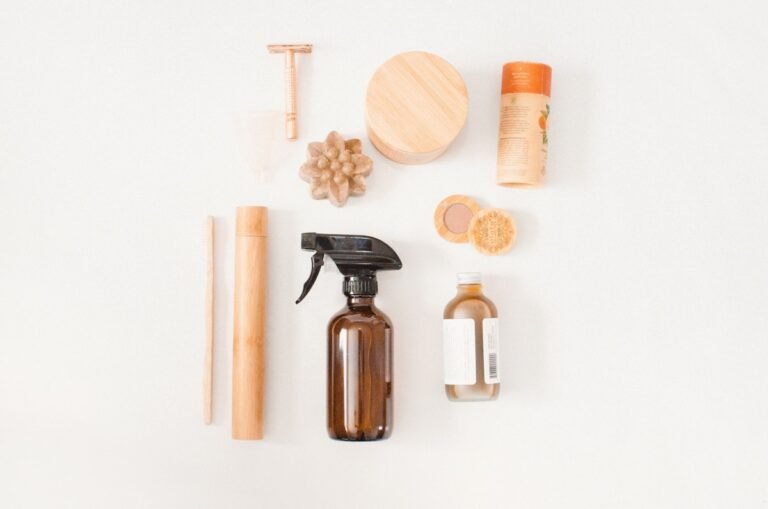
– Bamboo toothbrushes and combs
– Jute wash bags, storage baskets and mitts
– Aegle Sriphal’s plantable pencils – they sprout herbs after use
These materials show that luxury and sustainability can coexist. They’re tactile, natural and kind to ecosystems.
7. Plant-Based Formulations
Natural oils and botanical extracts replace petrochemicals. Think coconut oil, lavender essential oil or shea butter.
Why it’s winning hearts:
– Biodegradable ingredients
– Gentle on skin and hair
– Transparent sourcing
Brands highlight origin stories: from fair-trade farms to small cooperatives. You feel connected, not just cleansed.
8. Natural and Organic Ingredients
Consumers check labels for parabens, sulphates and synthetic dyes. Certified organic certifications boost credibility.
Key takeaways:
– No GMOs, pesticides or harsh chemicals
– Often paired with cruelty-free promises
– Premium price but growing affordability
This trend overlaps with plant-based. Raw simplicity is the name of the game.
9. Carbon Neutral or Net Zero
Brands now track and offset every gram of CO2. They invest in reforestation or wind farms to balance their footprint.
Highlights:
– Third-party verification adds trust
– Full supply chain accounting – right back to raw material.
– Appeals to conscious investors and customers
When you apply a carbon-neutral lotion, you support a broader climate effort.
10. Low-Impact Production Processes
Manufacturers innovate to cut energy and water use. They switch to solar power, closed-loop water systems or zero-waste factories.
Benefits:
– Lower operating costs over time
– Reduced emissions and waste
– Higher product integrity
It’s production that respects resources rather than draining them.
How Aegle Sriphal Sets a New Standard
Aegle Sriphal isn’t just another eco brand. They combine unique products like plantable pencils and bamboo homeware with community education. Their mission: empower you to make mindful choices.
They focus on real impact:
– 100% natural materials
– Eco-friendly production methods
– Designs that blend function with sustainability
Even their marketing is thoughtful. They partner with schools and groups to spread awareness. It’s grassroots work, scaled with social media and regional campaigns.
Embracing Sustainable personal care in Your Routine
Making the switch is easier than you think. Start small:
– Replace your plastic toothbrush with a bamboo one.
– Try a solid shampoo bar.
– Pick refillable deodorants or lotions.
Each swap saves plastic, cuts emissions and reduces waste. Over time, it becomes second nature.
By committing to sustainable personal care, you join a growing movement. One that values our planet as much as personal wellbeing.
Final Thoughts
The personal care industry is transforming. Bamboo and jute are no longer niche. They’re shaping the future of beauty and hygiene products. From compostable packaging to low-impact processes, these trends prove that quality and sustainability go hand in hand.
Ready to take the plunge?
Join the Eco-Transformation: Aegle Sriphal’s Sustainable Product Initiative for Sustainable personal care