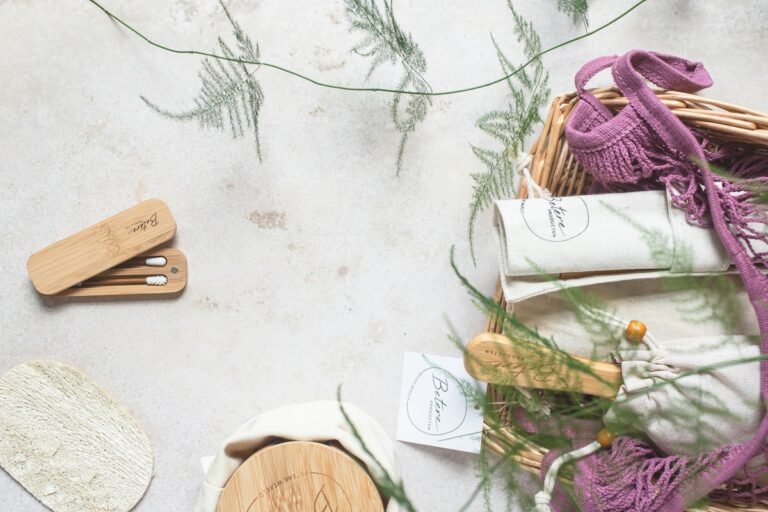
The Modern South Asian Home and the Slow Living Movement
Look around your living room or kitchen right now. How much single-use plastic, synthetic resin, or cheap composite timber is sitting in plain sight? For decades, urban living across South Asia traded timeless natural textures for mass-produced plastic convenience. We filled our desks with flimsy petroleum-based pen holders, drank morning tea from plastic-lined tumblers, and accumulated knick-knacks destined to outlive our great-grandchildren in local landfills. But a quiet rebellion is taking root across flats and family houses from Mumbai to Colombo. People are seeking a slower, more deliberate lifestyle that honours traditional materials without sacrificing modern aesthetics.
Making this switch is not about tossing out everything you own overnight; it is about choosing purposeful, regenerative objects whenever you replace an everyday item. By bringing sustainable lifestyle essentials into our daily routines, we begin an authentic ecological transition right at home. You can experience this change firsthand through the Eco-Transformation: Aegle Sriphal’s Sustainable Product Initiative, which pairs thoughtful industrial design with earth-first materials like raw bamboo, renewable cork, and hand-spun jute. When everyday utility meets natural elegance, mindful living stops feeling like a chore and starts feeling like second nature.
The Problem with the Modern Disposable Default
Let us be completely honest for a moment. Most commercial homeware sold today is built around planned obsolescence. Plastic phone docks snap after six months of heat and friction. Cheap ceramic mugs feature synthetic glazes that peel or leach chemicals. Mass-produced home organisers rely on toxic chemical adhesives that off-gas volatile organic compounds straight into your bedrooms.
South Asia faces distinct ecological pressures:
* Escalating municipal waste management burdens.
* Plastic debris choking regional rivers and coastal wetlands.
* Rapidly shrinking natural resource reserves.
* Excessive household dependency on fossil-fuel derivatives.
Every plastic toothbrush, synthetic stationery tray, and petroleum-based desk accessory we buy feeds directly into this loop. Switching to earth-friendly homeware is not mere decoration; it is a direct vote against extractive manufacturing.
The Natural Superstars: Why Cork and Bamboo?
When designing sustainable household tools, material selection determines everything. Rather than relying on industrial plastics, enlightened designers look toward rapidly renewable botanical fibres.
The Wonder of Regenerative Cork
Cork is essentially the bark of the cork oak tree. Harvesters strip the outer layer without ever cutting down the tree itself. Over the following decade, the tree regenerates its bark, absorbing up to five times more carbon dioxide during the regeneration phase than an unharvested tree.
In everyday homeware, cork offers remarkable natural superpowers:
* Thermal Insulation: It protects bare hands from boiling chai or chilled brew.
* Impermeability: Natural suberin wax repels moisture, liquids, and mould.
* Elasticity and Grip: It cushions accidental drops while anchoring mobile devices securely to polished wooden tables.
* Antimicrobial Qualities: Bacteria struggle to survive on its naturally hygienic surface.
The Fast-Growing Might of Bamboo
Bamboo is not timber; it is a giant grass. It can shoot up several centimetres in a single afternoon without chemical fertilisers or pesticide drenching. When harvested responsibly, its root network stays alive beneath the topsoil, binding the earth together to prevent monsoon erosion.
Bamboo fibres yield high tensile strength, rivaling traditional hardwoods while remaining lightweight and silky to the touch. From ergonomic desk accessories to tactile kitchen utensils, bamboo brings an earthy, calming presence into high-stress home environments.
Aegle Sriphal vs. Marketplace Aggregators: Real Roots vs. Curated Storefronts
As eco-friendly goods gain popularity across India and South Asia, multi-brand aggregators like Brown Living have emerged to give customers access to eco-friendly home collections, from coconut dish scrubbers to cast-iron cookware. Marketplaces certainly serve a useful role in gathering various small artisans under one umbrella. They make discovery simple.
However, multi-brand aggregators face distinct operational hurdles. Products come from dozens of disparate third-party makers, which can lead to unpredictable material standards, differing adhesive chemistries, variable shipping footprints, and fluctuating finish qualities.
This is where Aegle Sriphal takes a different, unified path.
Rather than acting merely as a virtual storefront, Aegle Sriphal serves as a design advocate focused on closed-loop manufacturing. Every single homeware piece, desk tool, and stationery item is designed from the ground up using 100% natural, unadulterated materials like bamboo, jute, and cork. There are no mysterious synthetic binders or hidden plastic laminates.
Furthermore, Aegle Sriphal embeds consumer education directly into the product experience. For instance, consider plantable pencils embedded with native seeds: when a student or professional finishes using the pencil, it does not head for the wastebasket. Instead, it is planted directly into soil to sprout fresh herbs or flowers. This practical circularity turns everyday objects into tangible environmental lessons for families, schools, and offices.
By controlling the entire process from material harvest to community outreach, Aegle Sriphal ensures that every household accessory meets uncompromising environmental benchmarks. Discover how your living space can reflect these values by exploring Aegle Sriphal’s conscious collection of sustainable lifestyle essentials designed specifically for South Asian living spaces.
Mindful Homeware: Bringing Slow Living to Every Room
Adopting a mindful lifestyle does not require Spartan minimalism. It simply requires making intentional choices about the items you interact with every single day.
The Intentional Workstation
Most work desks are cluttered with synthetic polymer stands, toxic plastic pens, and artificial wire tidies. Replacing these with smooth bamboo mobile stands and tactile cork desktop accessories immediately alters your workspace psychology.
Natural textures ground your senses during hectic workdays. When you rest your smartphone on warm, resilient bamboo or write your daily task list using biodegradable botanical tools, you introduce deliberate moments of calm into your workflow.
The Mindful Morning Beverage Ritual
Consider the simple pleasure of an early morning brew. Drinking from an artisanal cork-insulated mug connects you to the raw tactility of nature. You feel the organic texture beneath your fingertips rather than slick, manufactured plastic. The mug keeps your liquid warm naturally, eliminating the need for synthetic double-walled acrylics.
Restorative Living Corners
Slow down your living areas with low-impact additions:
1. Natural Jute Accents: Replace synthetic polypropylene door pads with durable, woven jute textiles that absorb dust naturally.
2. Plantable Stationery Kits: Keep plantable pencils in your study to invite younger family members into hands-on gardening.
3. Bamboo Display Caddies: Store daily keys, spectacles, and mail in smooth bamboo trays instead of injection-moulded bins.
Fostering a Lasting South Asian Environmental Ethos
Environmental stewardship across India and neighbouring South Asian regions cannot rely on imported Western frameworks. Our sustainability practices must acknowledge local living patterns, multi-generational households, regional waste hurdles, and indigenous crafting traditions.
Aegle Sriphal focuses specifically on these regional realities. Beyond crafting homeware, the brand works alongside educational bodies, local universities, non-governmental organisations, and corporate partners to promote grassroots waste literacy. When regional enterprises adopt plantable stationery and sustainable office accessories for their staff, they foster a broader community mindset that treats resources with respect.
Small, mindful purchases ripple outward. Choosing a bamboo mobile stand or a cork mug over a plastic counterpart supports renewable agricultural supply chains, keeps non-biodegradable waste out of local landfills, and signals a cultural shift away from careless consumption.
Transforming your domestic environment into a sanctuary of mindful, plastic-free living starts with a single conscious choice. Step into the movement today and discover genuine sustainable lifestyle essentials from Aegle Sriphal that help you build an enduring, nature-inspired home.