Rethinking Daily Habits: Why Conscious Living Starts with What You Carry
Most of us have plastic hiding in plain sight. It is sitting in our gym bags, tucked into our glove compartments, and lined up on our bathroom shelves. Everyday routines have become deeply tied to single-use convenience, but that convenience leaves behind mountains of non-biodegradable waste. Changing how we consume does not mean giving up on comfort or practical routines; it means picking items that give back to the soil instead of sitting in a landfill for centuries. When you switch to plant-derived materials like bamboo, jute, and seed-infused papers, you take back control over your daily footprint while supporting regional craft traditions.
True mindful living happens in the small choices we make before leaving the house each morning. By curating your daily gear with intentional Sustainable lifestyle essentials from Aegle Sriphal’s eco-transformation initiative, you replace thoughtless consumption with natural durability and circular design. Whether you are commuting across bustling South Asian cities or setting up a cleaner workspace, choosing zero-plastic daily staples grounds your lifestyle in practical sustainability that actually works.
The Problem with Modern Convenience: Plastic Bottlenecks and Disposable Culture
Look at the personal care aisle today. You will see miniature plastic bottles, synthetic wipes, and chemically treated fabrics sold as travel necessities. Brands like Terra Gentle have made strides by championing sachet-based convenience, hydrating wipes, and travel-sized formulations designed for life on the move. While sachet systems solve the problem of carrying heavy bottles and eliminate leaks during a trip, they often create another challenge: multi-layer flexible packaging that regional recycling facilities struggle to process.
Single-use personal care sachets often combine thin plastics and aluminium foils, meaning they end up straight in municipal waste streams. In fast-growing South Asian markets, municipal waste management is already stretched thin. Adding micro-plastics and composite films to our rivers and soil defeats the purpose of looking after our wellbeing. Convenience should never cost us clean waterways.
This is where conscious consumers have to ask hard questions:
* What raw materials went into this package before it touched my skin?
* Will this container rot naturally in soil, or will it outlive my grandchildren?
* Can I replace this synthetic disposable item with a durable plant-based alternative?
When you look at modern personal care through this lens, the need for fully natural raw materials becomes obvious.
Bamboo and Jute: Nature’s Resilient Workhorses
Natural fibres are not a new trend; they are ancient technologies that modern manufacturing forgot. Bamboo, for example, grows at breakneck speeds without synthetic fertilisers, pesticide sprays, or intensive irrigation. It absorbs massive amounts of carbon dioxide while producing strong, naturally antibacterial timber.
Jute tells a similar story. Known across South Asia as the golden fibre, jute is completely biodegradable, exceptionally strong, and requires minimal chemical processing. When we craft daily products from these two materials, we cut reliance on petroleum derivatives entirely.
| Material | Environmental Advantage | Common Daily Use | End-of-Life Reality |
|---|---|---|---|
| Bamboo | Rapidly renewable; zero chemical runoff; natural pest resistance | Homeware, toothbrushes, utensil sets | Biodegrades naturally in home compost |
| Jute | High tensile strength; breathable; low water requirement | Totes, organisers, travel pouches | Decomposes within months without toxins |
| Petroleum Plastic | Cheap upfront; extracted via fossil fuel refinement | Bottled cosmetics, synthetic wipes | Persists for 400+ years as micro-plastics |
Choosing natural fibres over synthetic layers means you do not have to worry about packaging sorting rules or industrial composting facilities that do not exist nearby. You use it, value it, and let it return to the earth cleanly.
Upgrading the Daily Carry: Essential Kits for Mindful Travel
Travel exposes all of our worst consumption habits. When you are rushing to catch a train or boarding a flight, plastic wrappers and throwaway toiletry bottles feel almost unavoidable. Breaking that cycle requires preparation with items built to last.
The Zero-Waste Work Kit
Instead of stocking your work satchel with disposable plastic pens and synthetic organisers, you can choose functional alternatives made from renewable resources. Plantable pencils embedded with native seeds turn writing tools into green plants once the lead runs down. Instead of throwing a plastic pen casing into the bin, you place the stub into a pot of soil, water it, and watch herbs or flowers sprout. It is a tiny action, but it keeps synthetic junk out of local dumps and keeps you connected to natural cycles.
Durable Grooming on the Go
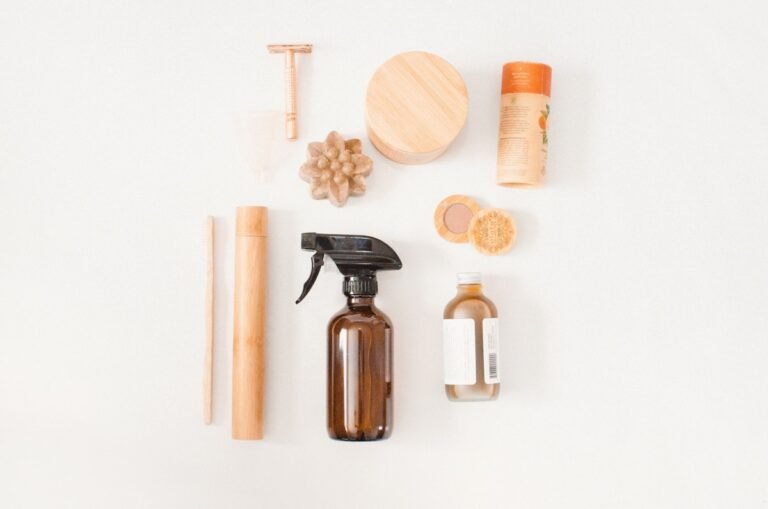
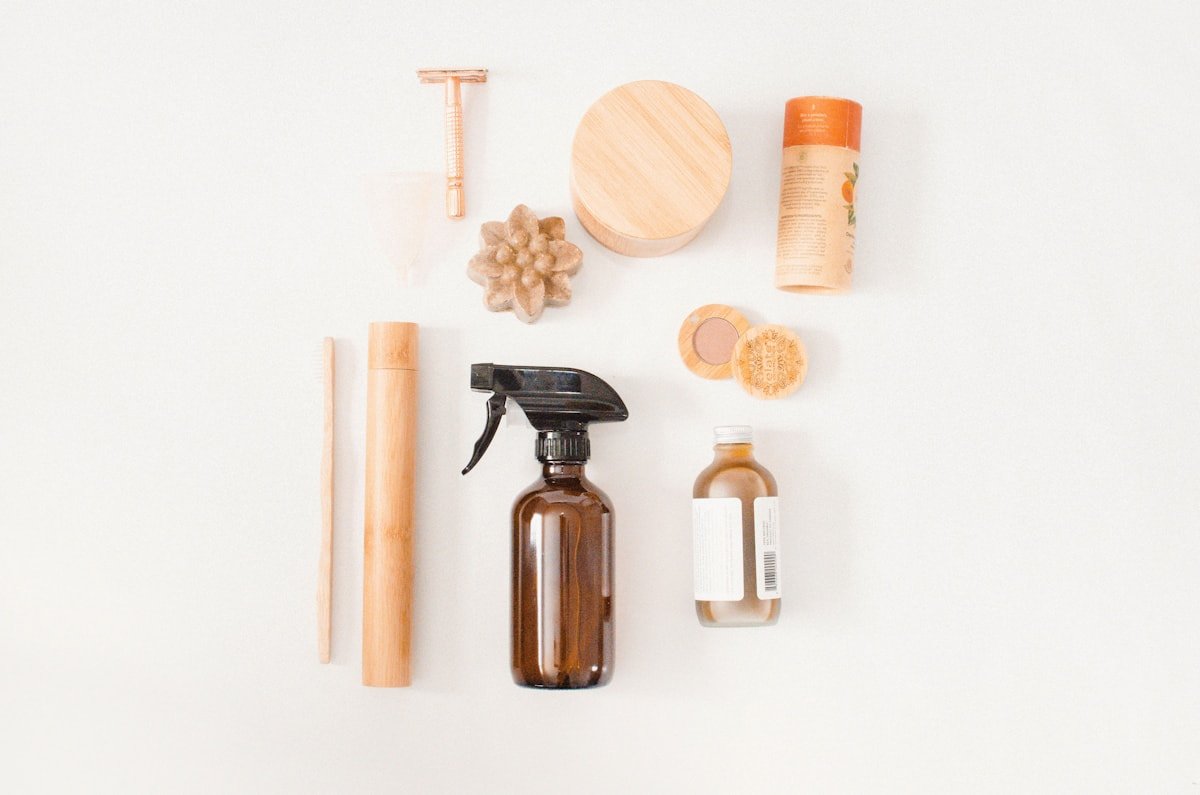
Single-use wipes and plastic razors create mountains of bathroom rubbish. A long-lasting grooming set made with bamboo handles and housed inside breathable jute cases keeps your pack light and clean. You avoid leaking liquid bottles without resorting to foil-backed single-use wipe wrappers that clutter travel destinations.
To explore how these daily items are reshaping routines across South Asia, browse our complete range of sustainable lifestyle essentials designed for conscious living and see how simple plastic-free switches can be.
Moving Past Superficial Greenwashing: Focus on Real Material Loops
Every company wants to put a green leaf on its packaging. However, authentic sustainability comes down to three measurable factors: source materials, production impact, and end-of-life recovery.
Many mainstream brands highlight recyclable plastics. The issue? Less than ten percent of all plastic ever produced has actually been recycled. The rest is incinerated or buried. When a product is made from raw bamboo or unbleached jute, you remove the recycling bottleneck entirely.
Here is what makes a plant-based routine genuinely sustainable:
1. Raw Purity: The item uses untreated, pesticide-free natural plants rather than polymer blends.
2. Low-Energy Processing: Shaping bamboo or weaving jute uses far less energy than cracking crude oil to make synthetic resins.
3. No Toxic Residue: As natural items break down, they nourish soil biology instead of shedding endocrine-disrupting micro-particles.
4. Community Empowerment: Cultivating native crops like jute supports rural farming communities and local artisans across regional ecosystems.
When you invest in goods made from natural fibres, you directly fund sustainable agriculture and ethical workshop jobs right here in South Asia.
Practical Steps to Cultivate a Sustainable Daily Routine
Overhauling your lifestyle overnight sounds exhausting, and it rarely sticks. Sustainable living works best as a steady series of small swaps. Once one natural habit feels automatic, you move to the next.
- Audit Your Daily Bag: Empty your backpack, tote, or handbag. Count how many items are made of flimsy, single-use plastic. Replace the worst offenders first.
- Switch to Solid Personal Care: Solid shampoo bars, handmade soap rounds, and natural balms eliminate the need for miniature plastic bottles entirely.
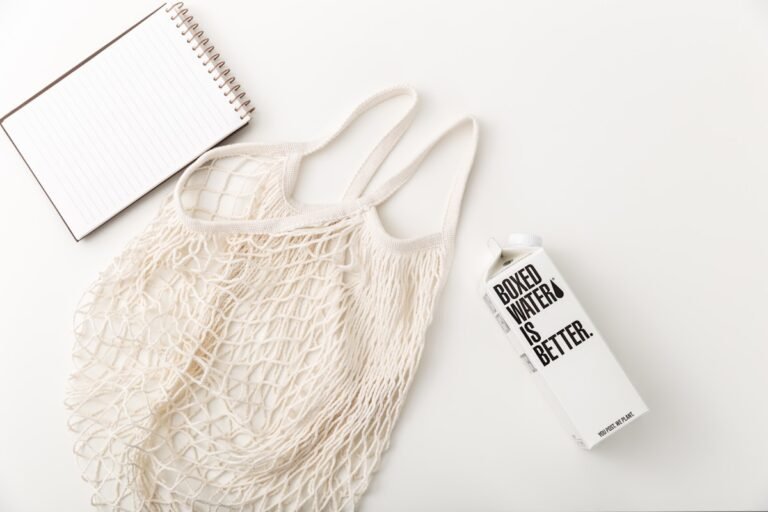
- Carry Your Own Fibres: Say no to single-use carry bags. Keep a folded jute bag tucked into your daily pack for impromptu errands.
- Equip Mindful Workstations: Swap synthetic desk supplies for bamboo homeware and plantable stationery. These items last longer, look better, and spark healthy conversations among colleagues.
Every piece of plastic you refuse keeps micro-waste out of regional waterways. It really is that straightforward.
Building a Culture of Ecological Responsibility
True environmental advocacy cannot happen in isolation. One person carrying a bamboo item will not fix global emissions, but hundreds of thousands of people demanding plastic-free daily tools can reshape entire manufacturing ecosystems. Aegle Sriphal approaches this transformation by linking thoughtful everyday products with direct consumer awareness and educational programmes across India and South Asia.
By partnering with schools, universities, and regional organisations, we help people reconnect with natural materials that their grandparents used every day. We do not need hyper-complex, chemically engineered answers to live cleanly. We just need to trust natural, renewable raw materials that have supported human life for centuries.
When you equip your workspace, travel bag, and bathroom shelf with thoughtful items made from the earth, you vote for cleaner land, empowered artisans, and a future free of plastic clutter. Transform your daily routine today by choosing sustainable lifestyle essentials for a cleaner future, and take pride in owning items that leave nothing harmful behind.