Rethinking Daily Habits: The Real Path to Conscious Living
Most of us want to do better for the planet, yet figuring out where to start feels overwhelming. Walk into any shop, and you are surrounded by mountains of single-use plastic, shiny synthetic packaging, and disposable goods designed to break within weeks. True environmental change does not require living off the grid or tossing out everything you own overnight. Instead, it starts with simple, consistent adjustments to your routine and swapping disposable clutter for reliable Sustainable lifestyle essentials through Aegle Sriphal’s eco-transformation initiative, helping you minimise waste naturally.
This masterclass cuts through the noise of modern consumerism to offer practical, everyday strategies that actually work. From the kitchen table to your morning commute, adopting a lighter footprint protects delicate ecosystems, conserves vital water resources, and creates healthier environments for future generations. When you choose durable natural materials like bamboo and jute over cheap plastics, you vote for long-term ecological balance. Let us dive into the mechanics of everyday sustainability, examine how small actions ripple out, and explore the tools you need to make conscious living second nature.
The Problem with Plastic: Why Everyday Swaps Matter
Look around your desk, bathroom, or kitchen counter right now. How many synthetic items do you count? Plastic pens, synthetic sponges, flimsy shopping carriers, and plastic bottles dominate our lives because they are cheap to produce. But their hidden cost is massive.
Every piece of petroleum-based plastic ever manufactured still exists on Earth in some form. Microplastics pollute our waterways, degrade local soil systems, and even enter our food supply. Vulnerable communities and children often suffer the sharpest consequences of this environmental strain, dealing with tainted groundwater and inadequate waste management systems.
When we switch to sustainable lifestyle essentials, we do more than reduce physical rubbish. We actively reduce the demand for fossil-fuel extraction. Natural fibres decompose cleanly, returning nutrients to the earth rather than leaching toxic petrochemicals into the groundwater. It is a simple shift with a huge cumulative impact.
Moving Beyond the Disposable Mindset
For decades, consumer culture pushed a throwaway mentality:
* Use it once.
* Toss it into a bin.
* Forget where it goes.
Out of sight, out of mind, right? Except landfills are overflowing, and local incinerators foul our air.
Conscious living flips that dynamic entirely. It invites you to ask basic questions before buying anything. What is this product made from? How long will it last? What happens to it when I am finished using it? Choosing products crafted from renewable materials like untreated timber, organic cotton, bamboo, and raw jute creates a regenerative loop that respects our shared planet.
Redesigning Your Daily Spaces: Room-by-Room Upgrades
You do not need to overhaul your entire house in an afternoon. That creates unnecessary waste. Instead, follow a simple rule: whenever an old synthetic item runs out or breaks beyond repair, replace it with an eco-friendly alternative.
The Low-Waste Kitchen and Pantry
The kitchen tends to be the single biggest generator of household plastic and food scraps. Making this space sustainable delivers quick, rewarding wins.
- Ditch the Cling Film and Plastic Baggies: Swap single-use wraps for washable food covers, reusable silicone pouches, or simple glass jars.
- Choose Natural Cleaning Tools: Conventional kitchen sponges are made of polyurethane plastic, shedding synthetic fibres down the drain with every wash. Switch to compostable cellulose cloths, coir scrubbers made from coconut husks, or wooden dish brushes.
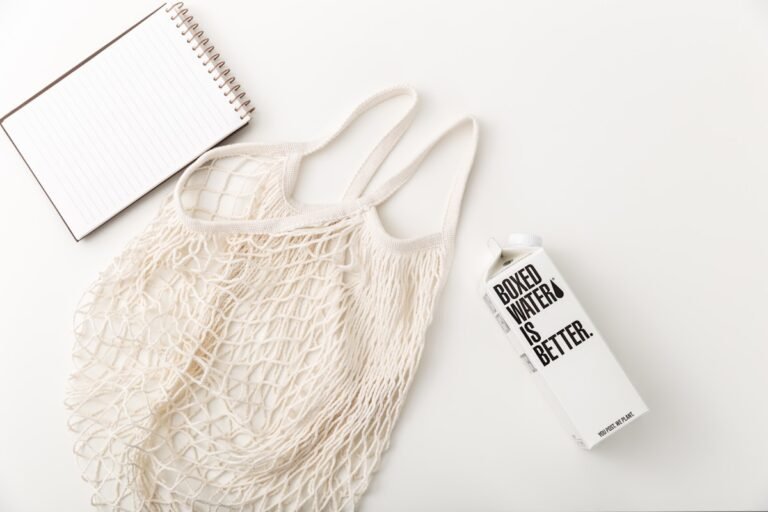
- Carry Heavy-Duty Reusables: Keep strong jute grocery bags near your front door or in your vehicle. Jute fibres are exceptionally sturdy, fully biodegradable, and capable of hauling heavy produce without tearing.
- Tackle Food Waste Head-On: Food decomposing in sealed landfills generates methane, a potent greenhouse gas. Plan your meals weekly, eat leftovers, and compost food scraps to enrich your garden soil.
The Mindful Bathroom Routine
Bathroom counters are notorious for housing single-use plastics: pump bottles, disposable razor heads, plastic-wrapped cotton swabs, and toothbrushes.
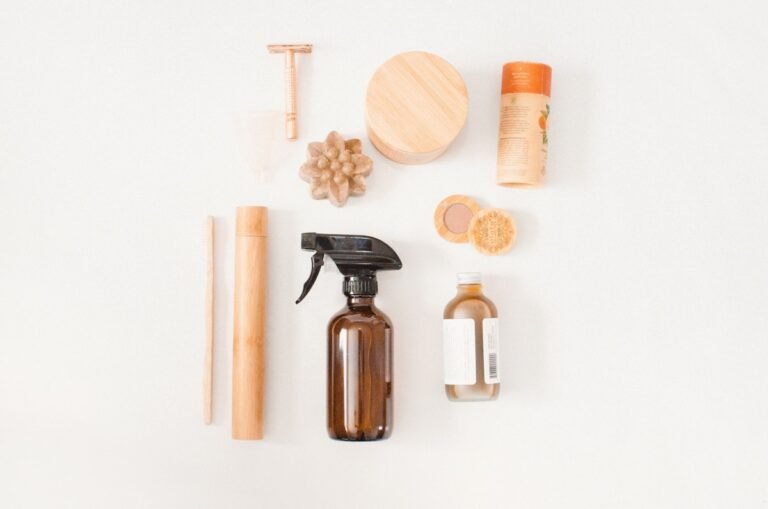
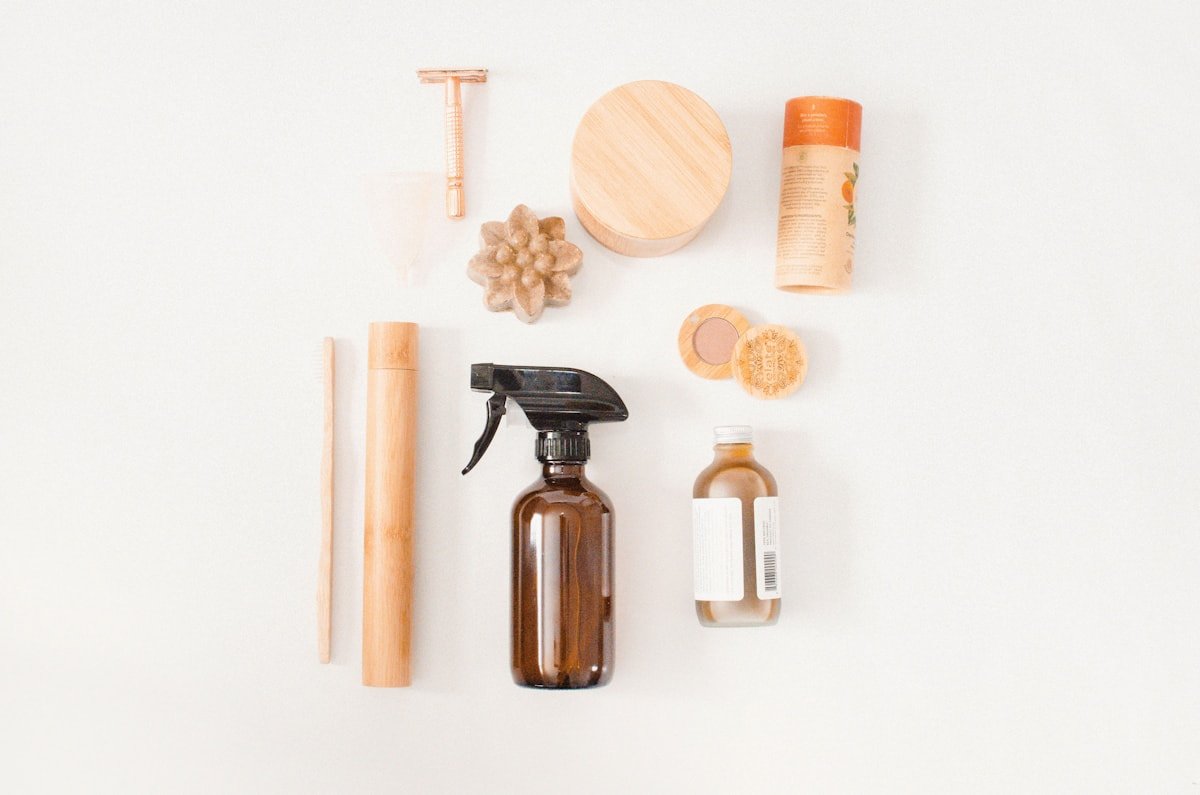
A classic bamboo toothbrush is one of the easiest sustainable lifestyle essentials you can adopt. Bamboo grows at astonishing rates without chemical fertilisers or heavy irrigation. When the brush reaches the end of its life, snap off the bristles, toss the handle straight into your home compost, and watch it degrade naturally. Pair that with unpackaged bar soaps, solid shampoo bars, and refillable glass containers to eliminate bathroom rubbish entirely.
Rethinking Everyday Work and Study Essentials
We often overlook our office and study spaces when planning eco-friendly changes. Yet offices churn through billions of plastic pens, highlighters, and sticky notes every single year.
Standard ballpoint pens sit in landfills for centuries. Once the ink dries, the entire plastic barrel becomes worthless trash. But what if your everyday stationery could regenerate the earth instead of cluttering it?
This is where thoughtful design steps in. Plantable stationery, including pencils and notepads embedded with native seeds, transforms everyday tools into living green plants once you finish using them. When a plantable pencil becomes too short to hold comfortably, you simply turn it upside down, place it into a pot of moist soil, and water it regularly. Within days, you have fresh herbs, flowers, or vegetables sprouting on your windowsill.
Investing in sustainable lifestyle essentials designed for conscious living proves that daily functionality does not have to come at the expense of our natural environment. By incorporating plantable products and renewable bamboo homeware into your routine, you turn ordinary daily tasks into quiet acts of environmental regeneration.
Energy, Water, and Transit: Expanding Your Eco Footprint
Conscious consumerism is only one side of the coin. How we consume energy, manage water, and travel forms the other critical half of sustainable living.
Conserving Precious Water Resources
Water scarcity is no longer an abstract worry; it is an urgent regional reality. Clean water access directly impacts public health and sanitation.
- Shorter Showers: Shaving just three minutes off your daily shower saves hundreds of litres of clean water every week.
- Fix Dripping Taps: A tap that drips once every second wastes over twenty litres of water per day. Replace worn rubber washers immediately.
- Reuse Greywater: Collect the water used to wash vegetables and lentils to irrigate your house plants.
Mindful Mobility
Transportation accounts for a massive slice of personal carbon footprints. While electric vehicles are growing in popularity, the greenest journey is the one that uses no fuel at all.
- Walk or Cycle Short Trips: If your errand is under two kilometres, leave the car behind. It cuts emissions, avoids traffic frustration, and gets you moving.
- Embrace Shared Transit: Trains, subways, and local buses drastically slash your carbon impact per kilometre compared to driving solo.
- Combine Errands: Plan shopping runs so you accomplish multiple tasks in one efficient circuit rather than making multiple separate trips.
Sustainable Consumption: How to Shop with Real Intention
It sounds like a paradox: can you really consume your way to sustainability? The short answer is no. Buying green items you do not need is still wasteful. The goal is mindful consumption, choosing fewer, better things that stand the test of time.
| Traditional Consumer Habit | Conscious Alternative | Environmental Payoff |
|---|---|---|
| Buying fast-fashion garments | Selecting durable natural fabrics or buying secondhand | Reduces synthetic microfibre pollution and textile waste |
| Single-use plastic pens | Plantable seed pencils and refillable wooden pens | Zero plastic waste, adds green foliage to your home |
| Plastic shopping carriers | Reusable woven jute bags | Prevents ocean litter, supports biodegradable farming |
| Synthetic bathroom items | Bamboo toothbrushes and solid naked soap bars | Eliminates non-recyclable plastic bathroom packaging |
| Bottled water purchases | Reusable stainless steel or copper water flasks | Cuts petroleum consumption and single-use trash |
Always prioritise the materials you bring into your space. Bamboo and jute are exceptional natural resources because they are renewable, require minimal processing, and return safely to the soil at the end of their lifecycle. Choosing these over petroleum plastics protects local habitats and cuts down industrial chemical processing.
Bringing It All Together: Your Long-Term Sustainability Plan
Living sustainably is not about perfection. It is not about fitting an entire year’s worth of rubbish into a single tiny mason jar. It is about awareness, consistency, and making deliberate choices each day that support the world around you.
Start small. Swap out your plastic toothbrush for bamboo. Switch from flimsy carrier bags to sturdy jute totes. Choose plantable writing instruments that bring new life into your garden instead of feeding a landfill. Conserve water where you can, walk when you have the time, and support initiatives that respect natural ecosystems.
As you build these habits, you inspire the people around you: friends, family, and colleagues, to examine their own footprints too. Sustainability spreads through shared action and thoughtful living. Begin your journey today by bringing authentic sustainable lifestyle essentials into your daily routine, and take pride in knowing that every mindful choice helps build a greener, cleaner, and more resilient future.