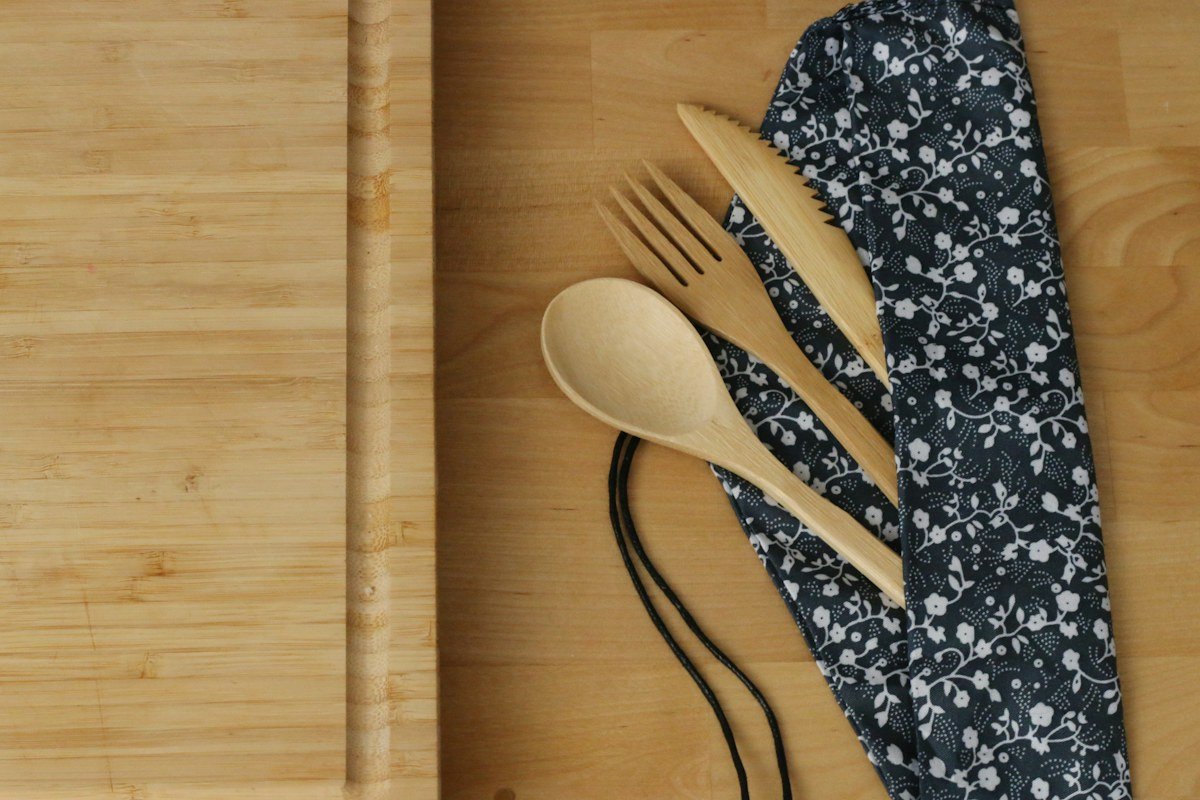
The Natural Fibre Revolution: Why Science Backs Bamboo Over Petrochemicals
Most of us use everyday essentials without giving a second thought to where they end up. Think about your bathroom cabinet, kitchen counter, or stationery drawer. Look closely, and you will find an ocean of bleached wood pulp and petroleum plastics designed to be trashed within minutes. Recent peer-reviewed research published in Environmental Science and Pollution Research (Mirzaie et al., 2025) ran a comprehensive life cycle assessment comparing conventional single-use products with plant-based alternatives. The findings confirmed what eco-conscious researchers have argued for years: natural materials offer a massive cut in global warming potential, abiotic depletion, and water scarcity. Exploring Bamboo reusable products through the Aegle Sriphal sustainable initiative reveals how everyday essentials can ditch fossil plastics for circular, plant-derived designs that actively regenerate our shared ecosystems.
Switching to botanicals is not merely about feeling good; it is about rigorous material science and real resource accountability. Conventional single-use items rely heavily on polymers such as low-density polyethylene (LDPE) and chemical-laden bleached wood pulp. These materials trigger massive environmental debts long before a finished item even hits retail shelves. Upstream processing, chemical extraction, and relentless fossil fuel consumption turn daily convenience into a lasting ecological hazard. In contrast, bamboo and regional natural fibres like jute provide an elegant, mechanically sound answer to resource depletion across India and South Asia.
What the Academic Research Unveils About Bamboo Pulp
Let us break down what the scientific data actually says. When researchers looked at life cycle assessments (LCAs), they evaluated products across their entire lifespan: raw material extraction, processing, shipping, and end-of-life disposal.
The findings are stark:
* Conventional pulp and polymer combinations create staggering levels of abiotic fossil fuel depletion, up to 2.3 times higher than bio-based alternatives.
* Chemical bleaching of wood pulp drains massive amounts of natural water, contributing to severe water scarcity.
* Petrochemical plastics generate photochemical oxidants and drive up ozone layer depletion during refining and resin production.
Bamboo grows at record-breaking speeds without requiring synthetic fertilisers or pesticides. Because it is technically a grass rather than a tree, bamboo regenerates from its own root system after harvesting. You do not need to uproot the plant, clear-cut entire forests, or disturb fragile topsoil. Its inherent fibre structure delivers natural tensile strength, breathability, and natural antibacterial qualities. When pulped responsibly, it bypasses the harsh chemical bleaching regimens typical of traditional wood-based pulp mills.
Breaking Down the Life Cycle: Upstream, Core, and Downstream Realities
The study highlights that raw material extraction (upstream operations) carries the biggest environmental burden across almost every category. If you make a product from petroleum, you lose the environmental battle before manufacturing even begins.
1. Upstream Extraction: The Real Villain
In conventional consumer items, the extraction of fossil fuels for plastic backings and wrappers generates massive carbon dioxide releases. Even bio-plastics like polylactic acid (PLA) require careful scrutiny; if they rely on fossil-heavy grids for processing, their environmental advantage shrinks. True sustainability demands unbleached, minimally processed plant fibres that require fewer thermal and chemical inputs during extraction.
2. Core Manufacturing and Grid Mixes
How an item is built matters just as much as what it is built from. Academic data indicates that switching production energy from hard coal to renewable power sources, such as hydropower, reduces acidification impacts and greenhouse gas output by up to 30%. Green materials produced in energy-intensive, coal-reliant factories can forfeit part of their eco-credentials. Clean manufacturing practices must match the purity of the raw inputs.
3. Downstream Realities in South Asia
Waste streams in Sweden rely heavily on high-temperature municipal incineration, but that is not the reality on the ground in India and neighboring South Asian regions. In developing waste infrastructures, plastic products clog municipal drainage, poison soil biomes, and break down into microplastics that enter the human food web. When an item uses 100% natural materials, its decomposition pathway remains non-toxic, aligning naturally with composting and circular waste streams.
The Industrial Blindspot: The Myth of Cheap Disposables
Why does big industry keep pumping out plastic goods? Cost and convenience.
Producing synthetic goods with virgin fossil polymers is artificially cheap because fossil fuel extraction has enjoyed decades of subsidised infrastructure. Conventional wood pulp products rely on mature, global supply chains that ignore ecological externalities:
* Toxic chemical run-off from chlorine bleaching.
* Massive microplastic shedding during routine use and degradation.
* Long-term municipal landfill costs passed directly to taxpayers.
Biomaterials, on the other hand, often face an upfront cost premium of 20% to 30%. Limited local processing facilities and evolving agricultural supply chains currently keep retail prices slightly higher. Yet, this represents an accounting trick: conventional items appear cheaper simply because their true environmental costs are hidden.
Choosing durable, plant-based goods like bamboo reusable products for conscious everyday living reverses this hidden dynamic by prioritising genuine lifecycle honesty over cheap, throwaway plastics.
The Regional Imperative: Rethinking Sustainability for South Asia
Sustainable design cannot follow a one-size-fits-all Western blueprint. Solutions built for European municipal systems often fail to address regional challenges in South Asia, where waste collection, local resource conservation, and climate resilience require distinct approaches.
Aegle Sriphal focuses exclusively on India and South Asia, addressing real-world environmental priorities on the subcontinent. The strategy moves past imported trends to embrace local agricultural heritage. In India, bamboo and jute are not novel materials; they are deeply rooted cultural resources with incredible mechanical properties:
- Bamboo: Yields rapid biomass harvests, controls soil erosion on degraded land, and provides a sturdy alternative for everything from homeware to toothbrushes.
- Jute: Known as the “golden fibre,” it offers exceptional tensile strength, breathability, and full biodegradability for textiles, bags, and everyday carry items.
By using local natural fibres, regional supply chains reduce long-distance sea and road freight emissions. When raw materials are grown, processed, and crafted close to the end consumer, transport footprints decrease dramatically.
Practical Material Comparison: Bamboo vs. Petrochemical Plastics
To see why natural fibres outperform synthetic polymers, look at how the materials behave across daily applications:
| Performance Metric | Conventional Polymers (LDPE / Polypropylene) | Sustainable Bamboo Fibre & Pulp |
|---|---|---|
| Raw Material Source | Non-renewable petroleum refining | Rapidly renewable grass cultivars |
| Upstream Carbon Footprint | Extremely high due to thermal cracking | Low; acts as a carbon sink during growth |
| Chemical Processing | Requires stabilisers, plasticisers, and phthalates | Minimal; unbleached mechanical/enzymatic processing |
| Material Degradation | Fragments into microplastics over centuries | Naturally compostable and non-toxic |
| Regenerative Potential | Zero; relies on finite fossil reserves | High; promotes local agroforestry economies |
The data confirms that plant fibres win handily on long-term ecological balance. The key lies in designing everyday functional items that blend convenience with mindful engineering.
Moving Beyond Single-Use: Practical Steps for Consumers and SMEs
Mindful living is not an all-or-nothing game. It is about steady, calculated replacements in your daily routine:
- Audit Your High-Turnover Consumables: Take stock of the items you discard every week. Disposable plastic cutlery, synthetic cleaning tools, and cheap plastic stationery add up fast.
- Choose Multipurpose Reusables: Replace plastic kitchenware with durable bamboo alternatives that resist moisture naturally without toxic synthetic coatings.
- Bring Sustainability to the Workplace: Small to Medium Enterprises (SMEs) can cut their operational footprints by swapping generic plastic corporate gifts for plantable stationery, jute conference folders, and bamboo desk accessories.
- Support Educational Outreach: Material change requires cultural awareness. Talk to your schools, universities, and local community groups about circular material lifecycles and practical waste reduction.
Redefining the Future of Sustainable Living
Real ecological progress happens when peer-reviewed material science meets conscious consumer culture. As academic life cycle assessments continue to prove, reliance on synthetic polymers and chemically bleached pulp is ecologically unsustainable. The extraction costs, water degradation, and non-biodegradable waste burdens are simply too high to justify for short-lived items.
By embracing 100% natural materials, mindful production techniques, and thoughtful design, we can break free from petroleum-dependent consumer habits. Transforming daily routines with functional bamboo reusable products from Aegle Sriphal proves that choosing circular, plant-based alternatives is the most practical, scientifically validated way to safeguard our shared future.