Rethinking Daily Rubbish: The Shift to Mindful Homeware
Have you ever stopped to look at your kitchen bin at the end of the week? It is shocking how fast single-use packaging, paper towels, and plastic cutlery pile up. Most of us want to live a cleaner, greener life, but modern convenience often pulls us in the opposite direction. The good news is that shifting to a low-waste home does not require an overnight overhaul or extreme minimalism. By swapping flimsy plastics for durable alternatives made from rapidly renewable resources, you can slash your household footprint without sacrificing convenience.
Transitioning your routine begins with simple, intentional choices that favour long-term durability over disposable rubbish. Adopting Bamboo reusable products with the Aegle Sriphal sustainable product initiative provides an effortless pathway to eliminate single-use waste from your daily routines. Whether you are packing lunches, preparing meals, or cleaning worktops, using responsibly sourced homeware allows you to cultivate a sustainable living space rooted in nature, quality, and conscious everyday habits.
The Problem with Single-Use Living
Walk down any supermarket aisle. You will see paper towels wrapped in plastic film, disposable food containers, and nylon sponges designed to fall apart after three weeks. These items are engineered for linear consumption: you buy them, use them once or twice, and toss them straight into the bin.
Even paper-based disposables present hidden environmental costs. While conventional recycled paper towels offer a better alternative to virgin pulp and support charitable causes, they still perpetuate a cycle of throwaway culture. Recycled paper fibres degrade with every wash, absorbency requires multiple sheets per mess, and the energy consumed during industrial pulping remains substantial.
Single-use culture costs you money, too. Constantly rebuying rolls of paper towels and disposable kitchenware creates a steady, unnecessary drain on your monthly budget. When you switch to natural materials that you can wash, wipe, and reuse for years, you stop throwing your money directly into the rubbish bin.
Why Bamboo and Jute Lead the Green Revolution
When looking for materials to replace household plastics and single-use paper, two clear winners emerge: bamboo and jute. Both of these natural fibres have been used across South Asia for centuries, yet their relevance in modern zero-waste living has never been greater.
The Incredible Biology of Bamboo
Bamboo is not actually wood; it is a giant grass. That biological distinction makes all the difference when it comes to sustainability:
- Lightning-fast growth: Certain bamboo species can grow up to 90 centimetres in a single day without requiring synthetic fertilisers or pesticides.
- Self-regenerating roots: When harvested, bamboo does not need to be replanted. The extensive root network stays intact, preventing soil erosion and sprouting fresh shoots season after season.
- Natural strength and hygiene: Bamboo fibres contain natural antimicrobial properties, making them naturally resistant to odours and bacteria in moist kitchen environments.
- Complete biodegradability: At the end of its long life cycle, untreated bamboo returns to the earth without leaving toxic microplastics behind.
The Resilience of Golden Jute
Jute, often called the “golden fibre,” is another renewable marvel. It requires minimal water compared to conventional cotton and absorbs vast amounts of carbon dioxide from the atmosphere as it matures. Jute fibres are exceptionally strong, making them ideal for durable shopping bags, scrubbers, and home storage that replace synthetic textiles.
Comparing Household Solutions: Single-Use Recycled Paper vs Reusable Bamboo
To understand why swapping disposables for durable plants makes sense, let us look at how common kitchen solutions stack up side by side.
| Feature | Recycled Paper Towels | Bamboo Reusable Products |
|---|---|---|
| Material Base | Post-consumer paper pulp | 100% natural bamboo fibre |
| Lifespan | Single-use (seconds to minutes) | Multi-year durability |
| Waste Generation | Continuous bin waste | Zero daily waste |
| Water & Energy Footprint | High industrial processing | Low-impact natural harvesting |
| Cost Over Time | Constant recurring purchases | One-time investment |
| End of Life | Landfill or municipal compost | Backyard biodegradable |
While recycled paper towels certainly beat virgin pulp, they still train us to consume and discard. Investing in authentic bamboo reusable products from Aegle Sriphal breaks that cycle completely by providing sturdy, washable tools that handle kitchen messes without generating a scrap of rubbish.
Practical Steps to a Zero-Waste Kitchen and Home
Going zero-waste is not about being perfect; it is about building practical habits you can maintain forever. Here are actionable ways to phase out disposable goods room by room.
1. Ditch the Paper Towel Stand
Keep a stack of reusable bamboo or cotton cloths in a dedicated drawer. Use them for wiping counters, drying hands, and soaking up spills. Once used, drop them into a small wash basket under the sink and run them with your regular weekly laundry.
2. Upgrade Your Cooking Utensils
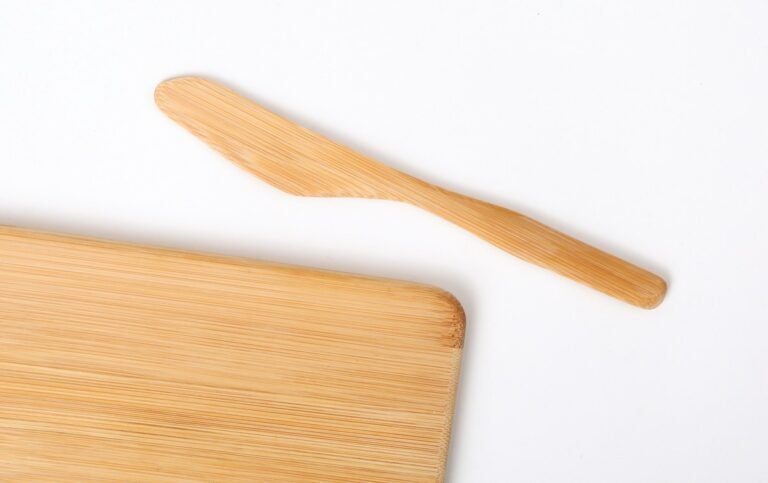
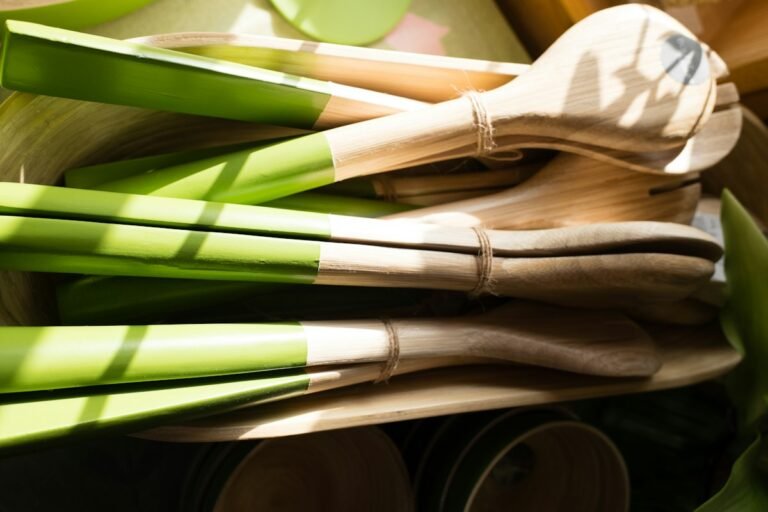
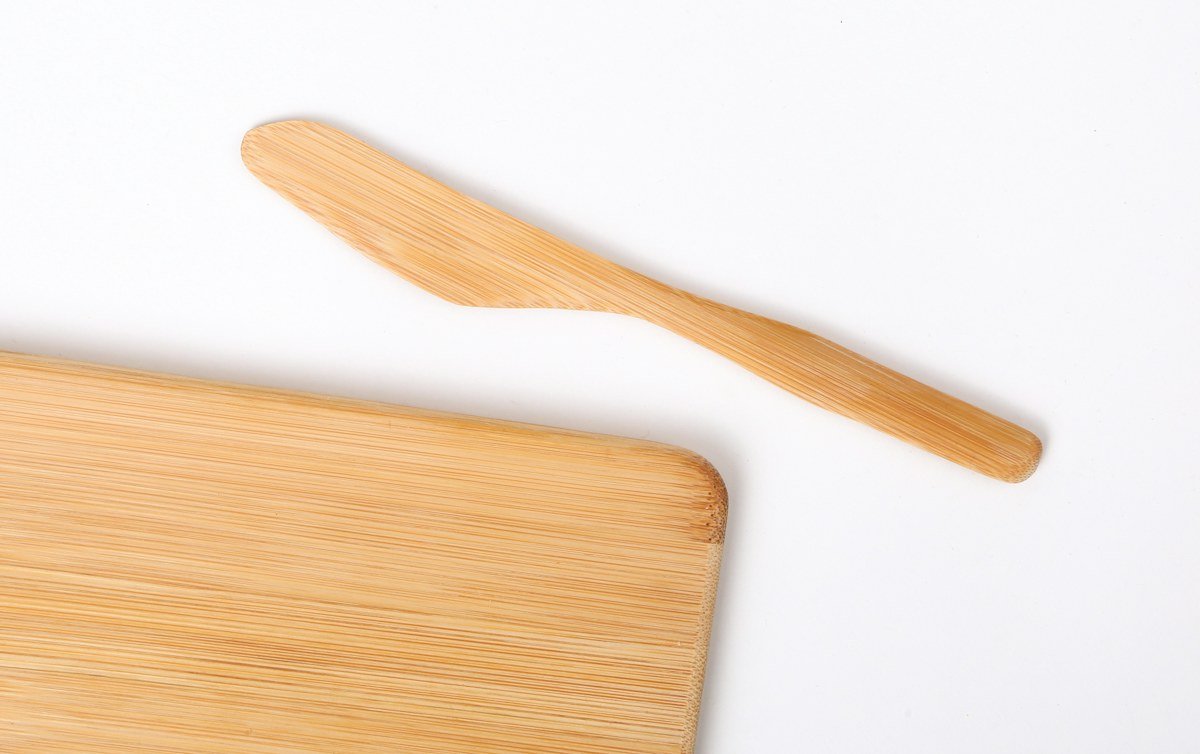
Plastic spatulas and coated spoons can leach chemicals into hot meals and slowly chip away into your food. Natural bamboo utensils do not scratch non-stick cookware, resist heat damage, and provide a clean, warm aesthetic to your countertop.
3. Choose Natural Dish Care
Ditch the bright yellow-and-green plastic sponges. They shed microscopic plastic fibres down your drain with every wash. Replace them with plant-fibre brushes, bamboo dish scrubbers, and natural loofahs that break down naturally when worn out.
4. Pack Mindful Meals
If you eat lunch on the go, avoid flimsy plastic cutlery packets. Keep a compact travel pouch with a bamboo fork, knife, spoon, and straw in your work bag or vehicle. It weighs practically nothing and eliminates hundreds of single-use forks every year.
5. Bring Your Own Shopping Totes
Keep two or three sturdy jute bags inside your vehicle or by your front door. Jute bags handle heavy groceries effortlessly without tearing, eliminating the need for thin plastic carrier bags or flimsy paper sacks.
Education and Environmental Stewardship
Sustainable products are only half the equation; the mindset behind them is what creates real change. Real environmental transformation happens when communities understand why these materials matter.
Aegle Sriphal takes this philosophy further by combining natural manufacturing with educational design. From homeware made from pure bamboo to plantable stationery embedded with seeds, these tools serve as everyday reminders of our relationship with nature. When a pencil wears down, you plant the stub in a pot of soil, water it, and watch herbs or flowers sprout. It transforms a routine household item into a hands-on lesson in regenerative living for children and adults alike.
By focusing on community awareness, ethical production, and native plant fibres, we can rebuild local economies while protecting our shared ecosystems.
Building a Greener Tomorrow
Shifting away from a throwaway lifestyle is one of the most rewarding commitments you can make for your home and the planet. You do not need to replace everything in your cupboards today. Start small: switch out your kitchen towels, retire disposable cutlery, and choose natural plant fibres whenever an old item needs replacing.
Every single swap keeps plastic out of our waterways and cuts down on industrial deforestation. Discover how simple, beautiful, and durable natural living can be by choosing innovative bamboo reusable products by Aegle Sriphal, and take your next confident step toward an authentic, zero-waste home today.