Why Plastic Pollution Needs Better Prevention and Collection
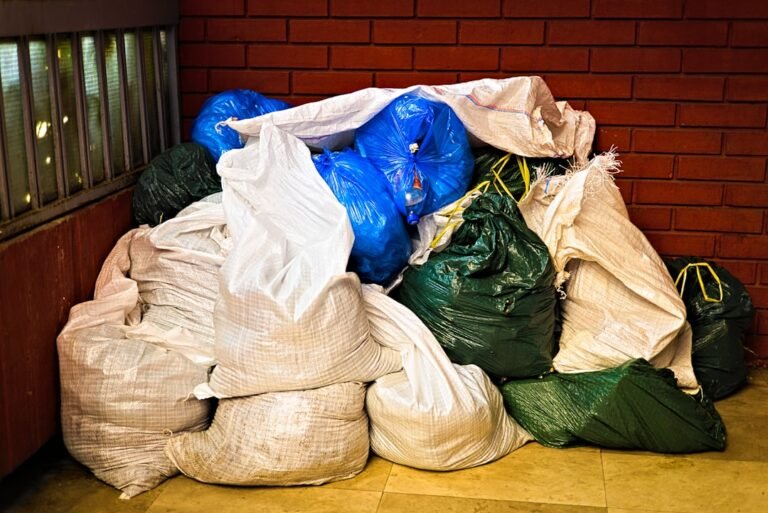
Plastic pollution feels like a never-ending story. Every year, rivers and oceans swallow millions of tonnes of waste. Even if we switched instantly to a circular economy, experts predict 710 million metric tonnes of plastic will still slip into aquatic and terrestrial ecosystems by 2040. Shocking, right?
We need solutions that are not just clever, but kind to the planet. Enter eco-friendly collection technologies—tools designed to stop plastic at the source or scoop it up before it wreaks havoc on wildlife and habitats.
Key pain points:
– Single-use plastics clog waterways.
– Traditional traps harm marine life.
– Microplastics evade standard filters.
– Disposal often shifts pollution elsewhere.

What Are Eco-Friendly Collection Technologies?
At its core, an eco-friendly collection technology stops plastic from slipping into the environment—or picks it up without collateral damage. It’s nature-driven, low-carbon, and non-toxic.
Bamboo Filters: Nature’s Water Guards
Ever thought bamboo could clean water?
These filters use replenishable bamboo fibres to trap microplastics. Here’s why they rock:
– 100% natural fibres.
– Low energy to produce.
– Biodegrades at end of life.
– Scalable from household taps to community water stations.
Analogy: Imagine a tea strainer. Only finer. Stronger. And fully compostable.
Jute Nets: Gentle Yet Effective
Jute isn’t just for bags. It can filter macroplastics in runoff channels:
– Soft enough to avoid snagging fish.
– Tough enough to hold debris.
– Easy to rinse and reuse.
– When it wears out, you compost it.
Picture a garden net. Now think of it intercepting plastic bottles. Pretty neat.
Other Natural Materials: Cotton, Hemp, and More
Beyond bamboo and jute, think:
– Hemp mats for shorelines.
– Cotton booms for microfibres.
– Coir ropes for river mouths.
All renewable. All with a small footprint.
How Aegle Sriphal Innovates with Natural Materials
We don’t just preach. We practice. Aegle Sriphal marries research with heart. Our eco-friendly collection technologies align with our mission: 100% natural, zero nasties, and a dash of flair.
Plantable Pencils: Cleanup with a Surprise
Your pencil stub sprouts wildflowers. Yes, really.
We use seed capsules in recycled paper. Every plantable pencil does two jobs:
1. Cuts landfill waste.
2. Greets pollinators.
Bamboo Homeware: Durable and Biodegradable
From cutting boards to utensils, bamboo homeware resists wear while outlasting plastic. When it’s time to retire, it heads straight to compost. No toxins. No regrets.
Jute Net Bags: Carry and Collect
Our jute net bags aren’t plastic pretenders. They’re heavy-duty for shopping—and double as mini cleanup nets for your local stream. Two birds, one bag.
Choosing the Right Technology for Your Needs
Not every setting calls for the same fix. Here’s a quick guide to picking your ideal eco-friendly collection technology.
For SMEs: Affordable and Scalable Solutions
Small to medium enterprises can:
– Install bamboo filters on kitchen sinks.
– Use jute nets in garden drains.
– Offer jute net bags as branded merch (think eco giveaways).
Benefits:
– Low setup cost.
– Easy maintenance.
– Customer engagement on sustainability.
For Community Groups: Engagement and Education
Schools and NGOs can:
– Host workshops on building bamboo filters.
– Run jute-net litter-collecting days.
– Use plantable pencils in art classes.
Impact:
– Hands-on learning.
– Visible results.
– A community proud of cleaner waterways.
Discover our bamboo and jute range
Implementing a Circular Approach
Eco solutions shouldn’t just collect; they should close loops. Follow this simple cycle:
- Audit: Map where plastics leak.
- Reduce: Swap plastic for bamboo or jute.
- Replace: Install eco filters and nets.
- Collect: Gather waste regularly.
- Educate: Share results. Inspire more action.
Tip: Use the Plastic Pollution Prevention and Collection Technology Inventory from Duke’s Nicholas Institute. It lists 108 tools—from laundry filters to boat-mounted skimmers—classified by prevention or collection, macro or microplastics, peer-reviewed effectiveness, and ecological impact.
Beyond Technology: Educating and Engaging Communities
Tools shine brighter with people powering them. Here’s how to multiply impact:
Workshops and Webinars
- Show how to make a simple bamboo filter.
- Demonstrate jute-net installation.
- Highlight case studies (e.g., local river clean-up).
Partnerships with NGOs and Schools
- Co-host beach cleans.
- Donate plantable pencils for classes.
- Sponsor science fairs on plastic prevention.
Engagement tip: Celebrate every small win. Post pics. Tell stories. It keeps momentum alive.
Conclusion and Next Steps
Plastic pollution is a beast. But with thoughtful, nature-based designs, we can tame it. Eco-friendly collection technologies—like bamboo filters, jute nets and plantable pencils—offer low-impact, high-joy solutions. And they fit right into everyday life.
Ready to make a change? Explore our range of 100% natural products and join a community of makers, doers and dreamers. Let’s turn the tide on plastic—together.