Nature’s Blueprint: Embracing Biomimicry in Bamboo Design
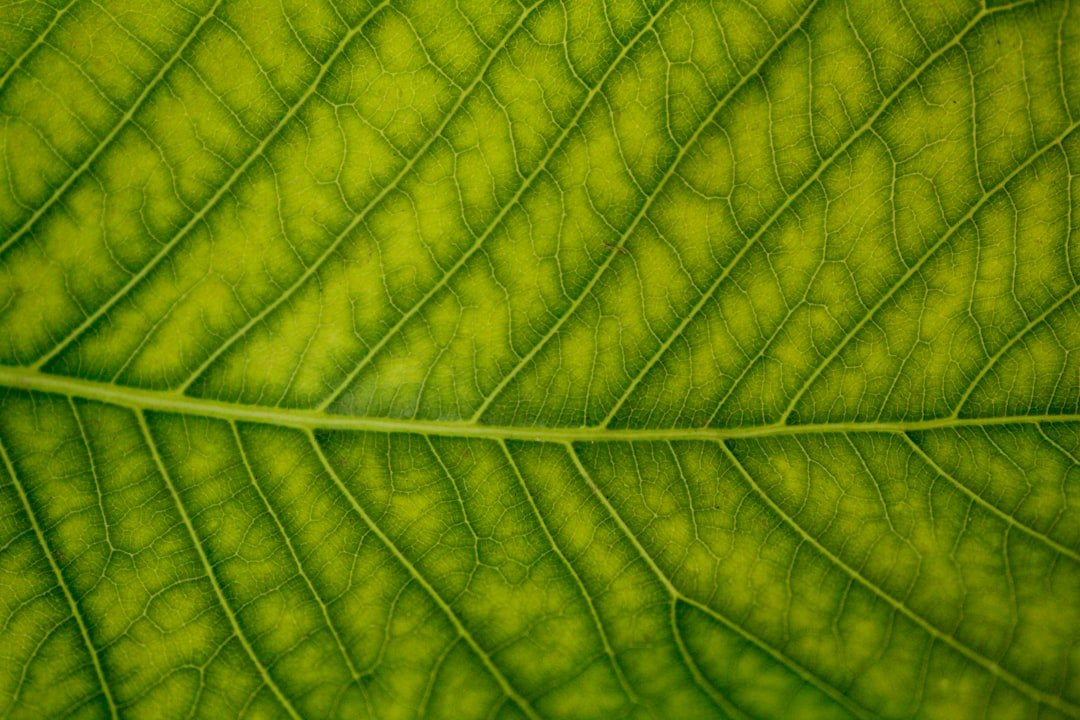
Plastic waste is choking our oceans. Yet, nature has spent millions of years perfecting materials that are strong, flexible and naturally biodegradable. Biomimicry in sustainable products taps into those blueprints. We’re talking bamboo fibres that mimic the strength of spider silk, jute textiles that echo seaweed’s flexibility and functional design inspired by mangrove roots that filter pollutants.
In this article, you’ll see how Aegle Sriphal applies biomimicry and bioengineering principles in bamboo and jute designs to tackle marine plastic pollution with 100% natural materials. We’ll explore real-world products—from plantable pencils to bamboo homeware—unpack the science behind them, and share practical steps for SMEs and eco-conscious consumers. Ready for a deep dive into nature-inspired innovation? Explore Eco-Transformation: Biomimicry in sustainable products at Aegle Sriphal
Why Bamboo and Jute? Nature’s Dynamic Duo
Bamboo and jute are no ordinary plants. They grow fast, absorb carbon, and don’t need nasty chemicals to thrive. Here’s why they’re front and centre in sustainable innovation:
-
Rapid Growth & Renewability
Bamboo can grow up to a metre a day in ideal conditions. Jute matures in about four to six months. No deforestation needed. -
Carbon Capture & Soil Health
Both plants lock away carbon dioxide and enrich the soil. They restore degraded land. -
Strength & Versatility
Bamboo rivals some soft steels in tensile strength. Jute fibres are flexible—ideal for fabrics, ropes, even reinforced composites. -
Biodegradability
Left in nature, bamboo and jute break down harmlessly. No microplastics, no toxic residues.
When you choose products made from these materials, you’re tapping into nature’s own cycle—one that doesn’t pollute rivers, beaches or sea beds.
From Concept to Creation: Inside Aegle Sriphal’s Design Lab
Aegle Sriphal isn’t just another eco-brand. They blend ancient wisdom with modern bioengineering. Here’s how:
Bioengineering Principles in Practice
-
Structure–Function Mapping
We study natural prototypes—bamboo’s hollow beam structure, jute’s interlocking strands—to design components that mimic strength and flexibility. -
Material Fusion
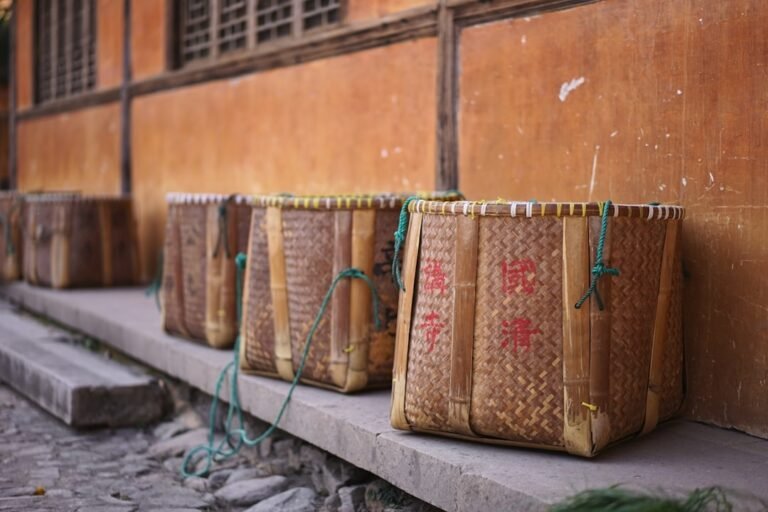
By spinning jute fibres around bamboo cores, we achieve composites that rival plastics in rigidity and durability, without the environmental baggage. -
Eco-Friendly Production
Cold-pressed bonding agents replace toxic adhesives. Solar-powered finishing plants keep the carbon footprint low. -
End-of-Life Design
Every product is designed with a disposal plan. Plantable pencils sprout wildflowers. Bamboo utensils feed your compost bin.
Product Spotlight: Plantable Pencils & Bamboo Homeware
-
Plantable Pencils
Each pencil embeds wildflower seeds in a biodegradable capsule at the end. When it gets too short, simply plant it—no landfill, just blooms. -
Bamboo Kitchenware
Cutting boards, utensils and bowls crafted from sustainably harvested bamboo shoots. Durable, antibacterial, and ready to break down in six months under natural conditions. -
Jute Tote Bags
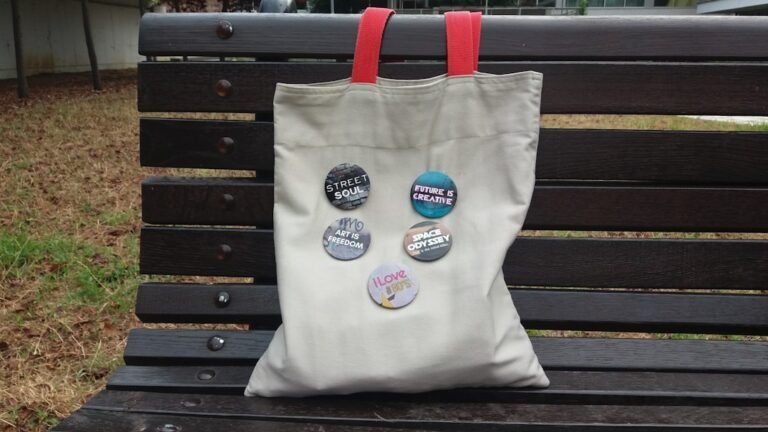
Hand-woven by local artisans, these bags channel jute’s tensile strength for everyday use. Perfect for groceries, books—or beach clean-ups.
These aren’t prototypes—they’re shipping worldwide to eco-conscious consumers and SMEs looking for natural alternatives in retail, hospitality and corporate gifting.
The Science Behind Biomimetic Anti-Fouling and Pollutant Filtration
Marine plastic pollution isn’t just floating bottles and nets. Microplastics and biofouling wreak havoc on ecosystems and ships alike. Researchers at leading universities have explored:
-
Smart Plastic Self-Destruction
Bacteria-enhanced polymers that sense water and break down without microplastics. Promising—but cost hurdles remain. -
Mussel-Inspired Adhesives
Bioengineered proteins that cling to plastic surfaces, boosting enzymatic breakdown. Great for lab tests, yet scaling is tough.
Aegle Sriphal adapts these insights to natural materials:
- Bamboo filters modelled on mangrove roots trap microplastics and heavy metals.
- Jute mats mimic algae’s porous mats to capture debris, then biodegrade under composting.
It’s a zero-waste circle—no engineered bacteria, no hidden chemicals. Just pure nature doing what it does best.
Join the Eco-Transformation journey with biomimicry in sustainable products
Scaling Sustainable Manufacturing for SMEs
Small-to-medium enterprises often lack budgets for large R&D. Yet, the growth in eco-friendly markets (projected to hit $300 billion globally by 2025) spells massive opportunity. Here’s how SMEs can tap into biomimicry:
-
Partner with Local Growers
Source bamboo and jute directly. Shorten supply chains. Cut emissions. -
Adopt Modular Factories
Portable cold-press units let you produce on-site, reduce transport footprints and support local job creation. -
Leverage Educational Campaigns
Use QR codes on products to share the story of biomimicry. Consumers love behind-the-scenes. -
B2B Collaborations
Offer branded bamboo desk kits or plantable promo pencils to schools, corporates and NGOs. They get a green message, you get bulk orders.
By aligning design, production and storytelling, SMEs can grow sustainably—while making a real dent in plastic pollution.
Building an Eco-Conscious Community
It’s not just products that matter. It’s mindsets. Aegle Sriphal drives engagement through:
-
Workshops & Webinars
Hands-on sessions on DIY bamboo crafts and jute weaving. Educate, inspire, connect. -
Social Media Challenges
#PlantablePencilChallenge invites users to share growth photos. Organic reach skyrockets. -
Beach and River Clean-Ups
Team up with NGOs. Deploy jute mats to trap debris, then upcycle them into accessories.
Such initiatives turn customers into brand ambassadors and advocates for sustainable living.
Conclusion: Charting a Greener Course
Marine plastic pollution demands bold, nature-inspired solutions. Biomimicry in sustainable products isn’t a buzzword—it’s a pathway to a healthier planet. Bamboo and jute offer rapid renewability, intrinsic strength and natural biodegradation, while Aegle Sriphal’s bioengineering approach ensures real-world impact for SMEs and eco-warriors alike. Ready to redefine your choices and empower nature’s blueprint? Embrace Eco-Transformation through biomimicry in sustainable products