Why DIY Terrariums Are Perfect for Eco-Conscious Homes
Imagine a tiny world under glass. A self-watering forest or desert scene—your choice. That’s the magic of DIY terrariums. They’re:
- Low maintenance
- Beautiful on a shelf or desk
- A way to reuse old glass jars, bottles, even bamboo planters
Plus, you’re cutting waste. Instead of throwing away that empty gin bottle, you’re turning it into a living, breathing accessory. And that feels good.
In a fast-paced world, our green spaces are shrinking. DIY terrariums bring nature indoors. They help:
- Improve air quality
- Boost mood
- Spark conversations
Let’s dive into how you can build your own sustainable terrarium, step by step.
1. Picking Your Upcycled Container
The heart of any DIY terrarium is the container. Sustainability starts here. Think of items you already have:
- Glass jars from sauces
- Old lightbulbs (with proper cleaning)
- Bamboo planters from Aegle Sriphal’s homeware range
- Gin or wine bottles with a narrow neck
Why upcycled?
– Prevents more landfill
– Gives your terrarium character
– Cuts down on carbon footprint
Tip: If you fancy a modern vibe, try a geometric glass terrarium kit. They’re stylish, but remember to check if they use recycled glass.
2. Gathering the Right Layers
A terrarium thrives when its layers mimic nature’s filtration. Here’s your sustainable shopping list:
-
Gravel or pebbles
– Bottom layer for drainage
– Use smooth stones from your garden path or broken pottery shards -
Activated charcoal
– Keeps water fresh
– You can find eco-friendly charcoal in garden centres -
Coconut coir or peat-free compost
– Sustainable alternative to peat
– Light and airy for roots -
Sand
– Ideal for succulents
– Mix with compost for drainage -
Decorative bark or moss
– Holds onto moisture
– Adds a woodland touch
Layering like this prevents root rot and keeps your terrarium healthy for months.
3. Choosing Plants for Your DIY Terrariums
Not every plant loves being under glass. Choose wisely:
- Air plants (Tillandsia): Zero soil gardens, just mist and bright, indirect light.
- Succulents: Give them sandy soil and dry spells. Perfect for desert vibes.
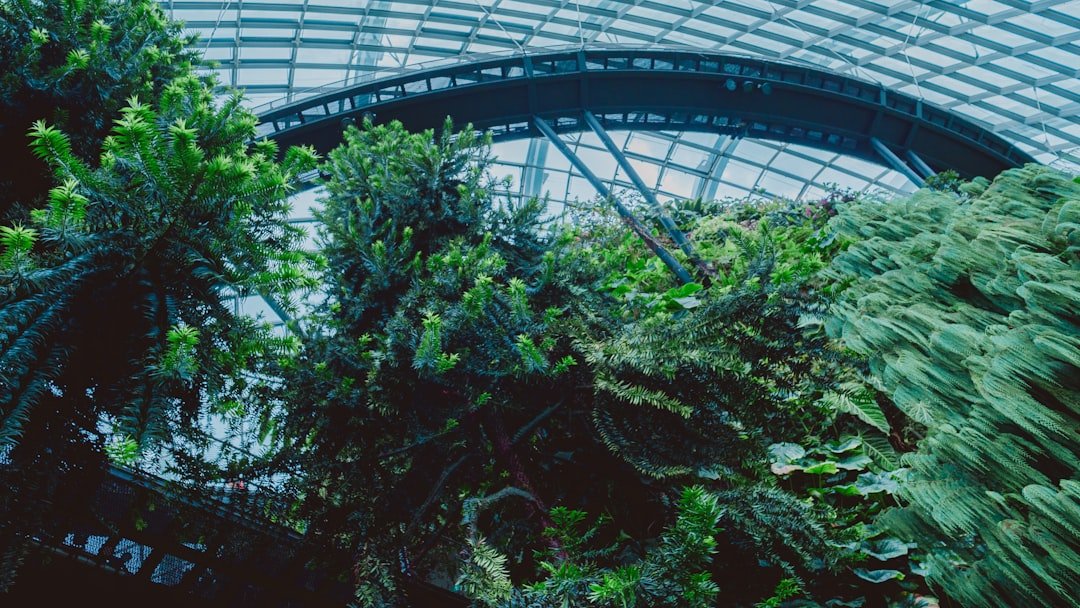
- Moss: Thrives in humidity—great for rainforest-style terrariums.
- Miniature ferns: Damp, shaded setups, best in a closed terrarium.
A quick mix-and-match guide:
- Desert theme = succulents + sand
- Tropical theme = moss + ferns + coir
- Zen theme = air plants + pebbles + minimal decor
4. Step-by-Step: Building Your Sustainable Terrarium
Ready to get your hands dirty?
- Clean and dry your chosen container.
- Add a 30mm layer of gravel.
- Sprinkle a thin layer of activated charcoal.
- Add 60–80mm of compost or coir, depending on your container’s height.
- Arrange planting pockets for each species.
- Carefully plant your chosen greenery. Use tweezers for tiny air plants.
- Top with decorative moss or bark.
Voila. Your DIY terrarium is born.
5. Styling Tips and Sustainable Décor
A terrarium isn’t just about plants; it’s your mini art installation.
- Group several mini terrariums on a bamboo tray.
- Hang geometric glass globes in front of a bright window.
- Add a miniature figure for a whimsical touch—just ensure it’s plastic-free or recycled.
- Swap in seasonal touches: pinecones in winter, tiny seashells in summer.
Remember, every accessory should align with your eco-values. Aegle Sriphal’s jute ribbons and bamboo tags make perfect labels for each terrarium.
6. Caring for Your Green Microcosm
Little worlds have simple needs:
- Light
- Bright, indirect. Avoid direct sunlight through glass—it acts like a magnifying lens.
- Water
- Mist closed terrariums weekly.
- Succulent setups need a splash every two weeks.
- Airflow
- Open every few days to prevent mould in closed terrariums.
- Trimming
- Clip any leggy growth to maintain your design.
Keep an eye on condensation. A bit is fine; a soaking is not.
7. Advanced DIY Terrarium Hacks
Want to level up?
- Build a hanging terrarium using jute cords and a bamboo frame.
- Create a seaside scene with white sand, driftwood and air plants.
- Make a mini forest with moss, ferns and tiny pebbles.
- Use plantable pencils from Aegle Sriphal—once you sharpen them, stick the stump in the soil. After watering, they sprout wildflowers.
These little experiments spark joy—and teach mindful living.
8. Sharing Your Creations (and Getting Found Online)
Feeling proud of your DIY terrariums? Share them! Aegle Sriphal uses Maggie’s AutoBlog, our AI-powered platform, to publish how-to guides and reach eco-conscious readers. With SEO and geo-targeting built in, it’s a breeze to showcase your terrariums to a wider audience.
Whether you’re a small business or a green-fingered hobbyist, you can:
- Draft tutorials
- Schedule posts
- Optimise for search terms like “DIY terrariums”
It’s never been easier to connect with a community that values sustainability.
Conclusion: Start Your Sustainable Terrarium Journey
DIY terrariums blend creativity, nature and conscious living. They’re low-cost, low-waste, and endlessly customisable. From upcycled containers to mossy rainforests under glass, you’re crafting more than décor—you’re building a reminder of our connection to the planet.
Ready to make your first sustainable terrarium? Grab an old jar. Raid your garden. And let’s green up your home.