Why Transparency Matters in Sustainable Consumer Goods
Trust is fragile. One false claim, and your brand takes a hit. In the world of sustainable consumer goods, transparency is king. You’ve probably seen labels like “eco-friendly”, “biodegradable” or “carbon-neutral”. They sound great. Yet 69% of shoppers doubt these claims if they aren’t backed by real data.
Specright’s 2023 survey shows:
– 80% of consumers trust brands that share sustainability data publicly.
– 74% are more likely to buy from companies that frequently update progress.
– 82% will recycle when clear instructions appear on packaging.
Bottom line? If you’re fighting for mindshare in sustainable consumer goods, you can’t hide behind vague statements. You need to show your work.
Bamboo and Jute: The Natural Duo
When it comes to eco-materials, bamboo and jute stand out. They’re fast-growing. They need little water. They leave minimal waste. And they look beautiful.
Bamboo Benefits
- Rapid renewability: Some species grow over 90 cm a day.
- Strength and flexibility: Perfect for creating sturdy packaging shells.
- Natural antibacterials: Less need for harsh chemicals.
Jute Strengths
- Robust fibres: Jute can handle weight, moisture and wear.
- Renewable crop: Harvested within 4–6 months.
- Biodegradable: Returns to earth without microplastic concerns.
By combining them, you get packaging that’s both eye-catching and guilt-free. You can even embed a transparent window. Let consumers peek at what’s inside. It’s real. No gimmicks.
Designing Transparent Packaging
A clear window on a jute pouch or bamboo box does wonders. It screams honesty. It whispers quality.
Consider these design tactics:
• Cut-out shapes – circles, leaves or brand logos
• Biodegradable plastic windows – compostable and clear
• Layered flaps – peek-a-boo access without compromising protection
In doing so, you showcase your product’s texture. Your customer sees the natural fibres. They feel more confident. It’s a small gesture. But it makes a big impact.
Aegle Sriphal’s Approach to Ethical Sourcing
At Aegle Sriphal, sustainability isn’t a buzzword. It’s a promise. Here’s how we tackle it:
• 100% natural materials. No synthetics.
• Eco-friendly production methods. Low energy. Low waste.
• Innovative designs that blend function and style.
• Plantable pencils – end-of-life turns into a seed.
• Strong community engagement to drive conscious living.
We partner with local farmers in India and Europe. We trace each bamboo grove. We know our jute farmers by name. This level of care tightens the circle of trust in sustainable consumer goods.
Digital Tools for SMEs
Small businesses often struggle to communicate these stories. That’s where Maggie’s AutoBlog steps in. It’s an AI-powered platform that automatically generates SEO and GEO-targeted blog content based on your website. No content team? No problem.
- Save time on research.
- Get optimised posts that rank for sustainable consumer goods.
- Focus on your core mission: eco-packaging and design.
Discover our eco-friendly packaging solutions
Tackling Consumer Skepticism
Greenwashing is rampant. Two-thirds of people don’t even know what “greenwashing” means. Yikes. Let’s nip that in the bud:
- Label honestly. State certifications.
- Back claims with data. Share emission numbers, farming methods.
- Educate on disposal. Add step-by-step recycling guides.
- Invite feedback. Let consumers ask questions on your site or social media.
Honesty flows both ways. The more you share, the more your audience invests in your mission.
Real-World Impact: Consumer Trust in Action
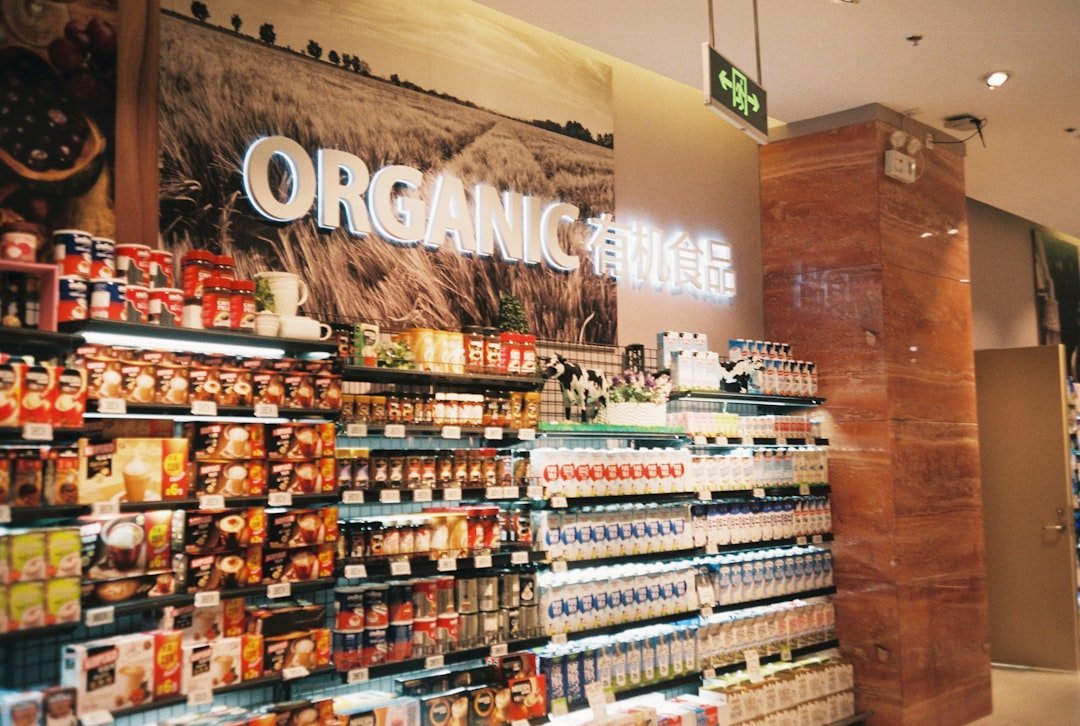
Here’s proof. Over half of consumers will spend more on products with sustainable packaging. That’s 53%. They pay a premium for recycled cardboard, water-soluble foams and clearly labelled eco-materials. They notice jute pouches and bamboo boxes with a transparent window. It’s not just packaging. It’s a trust signal.
Imagine your brand on that shelf. A customer picks up a jute bag. They see the weave. They read: “100% jute from West Bengal farms. Carbon footprint: 0.2 kg CO₂ per pack.” They smile. They buy. That’s the power of transparency.
Actionable Tips for SMEs
Ready to level up? Here’s how:
- Publish a monthly sustainability report.
- Use simple icons: leaf, arrow, seedling. No jargon.
- Include recycling steps on every pouch or box.
- Partner with local artisans. Tell their stories on your label.
- Leverage Maggie’s AutoBlog for consistent, SEO-rich narratives.
- Monitor government regulations to stay ahead of trends.
These small changes cement your standing in sustainable consumer goods. They build loyalty. They drive repeat purchases.
Conclusion: Building a Greener Tomorrow
Transparent bamboo and jute packaging does more than protect your product. It builds bridges of trust. It educates. It inspires action. In a market crowded with claims, honesty stands out.
If you’re ready to lead the charge, start with clarity. Show your fibres. Share your data. Give clear disposal steps. And let your packaging be a window into your brand’s heart.