Revolutionising Waste with Bamboo: An Introduction
South Asia grapples with mountains of plastic waste every single day. From urban streets to rural waterways, single-use plastics dominate the mess. But there’s light at the end of the tunnel: community upcycling bamboo is proving to be a simple yet powerful antidote. Local villages are taking what would be waste and crafting durable, reusable goods—cutlery, homeware, even plantable pencils.
In this case study, we explore how Aegle Sriphal partners with communities across India and neighbouring countries. We’ll chart their journey from plastic dependency to bamboo innovation. Plus, you can take the first step right now—Discover community upcycling bamboo in our Eco-Transformation: Aegle Sriphal’s Sustainable Product Initiative—and see how to bring this sustainable model to your own region.
The Challenge: Single-Use Plastics Overwhelming South Asia
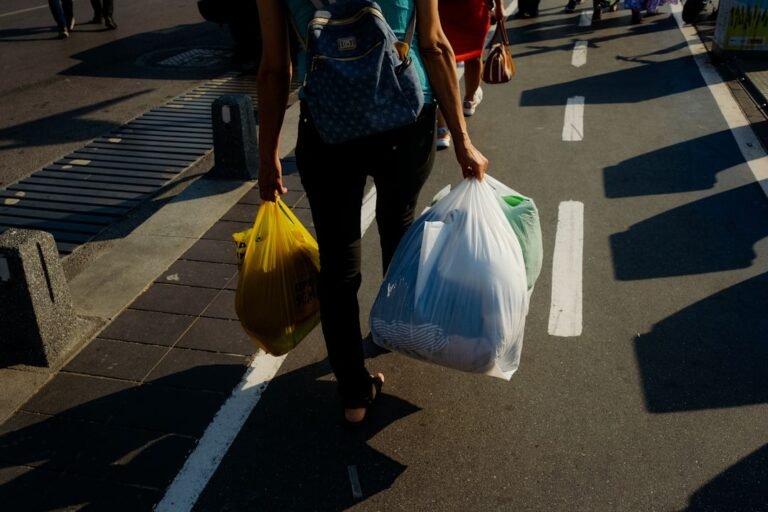
Plastic isn’t just unsightly. It chokes rivers. It kills marine life. It floods landfills. Take a typical market in Dhaka: every fruit vendor offers a plastic bag. These bags end up in drains, causing floods during monsoon season. In villages, fishing nets snag on discarded cups and bottles. It’s more than litter—it’s a severe environmental and economic burden.
Governments have tried bans, levies, even outright prohibition. Yet without affordable alternatives, people revert to what they know. The real solution? Develop local resources that grow back in months, not centuries. That’s where bamboo shines.
Why Bamboo? Nature’s Perfect Unsung Hero
Bamboo isn’t just another plant. Certain species sprout up to a metre a day. They stabilise slopes, sequester carbon and thrive with minimal water. A sturdy bamboo pole can rival steel in strength while remaining amazingly light. It’s also biodegradable. No more plastic fragments entering our food chain.
Crucially, bamboo regenerates itself. Once you harvest mature culms responsibly, fresh shoots sprout in weeks. Contrast that with oil-based plastics—dependence on finite fossil fuels. With bamboo, you tap into a renewable cycle that local communities can manage themselves.
Community Upcycling Bamboo in Action
The heart of this movement lies in community upcycling bamboo. In West Bengal, Aegle Sriphal worked with a women’s cooperative near the Sundarbans. They learned to split old bamboo culms and weave them into stylish baskets, trays and utensil holders. Plastic alternatives made by outsiders often lack local flair. Here, people shape designs that reflect their own culture.
Down in Kerala, small-scale fishermen swapped polystyrene floats for bamboo rafts. By lashing poles together and coating them with natural resin, they created buoyant, repairable and compostable gear. The result? A shift away from plastic scraps polluting their coastal waters.
These initiatives share two core pillars: hands-on training and local leadership. Aegle Sriphal doesn’t parachute in with machines. They co-design each step, ensuring communities own the process. That hands-on approach means community upcycling bamboo spreads by word of mouth. One successful village inspires another.
Harnessing Education and Partnerships
Workshops in schools and colleges turn students into young advocates. They craft notebooks with bamboo covers, swap plastic pens for plantable pencils. The spark of creativity soon becomes a spark of awareness about waste, resource use and sustainable living.
Meanwhile, alliances with NGOs and local councils supply seed grants. Those funds cover basic equipment: bamboo splitters, planers and simple kilns for drying. Small community shops then stock bamboo straws, cutting boards and homeware, making them easily accessible. Instead of imported plastic goods, people now choose thoughtfully made, local alternatives.
As one coordinator noted, “You only need a handful of items on display before people ask, ‘Why didn’t I see this before?’.” That curiosity kicks off real change.
Explore how community upcycling bamboo drives our sustainable impact
Products Empowering the Movement
Aegle Sriphal’s range of bamboo-based products demonstrates what’s possible:
- Bamboo Homeware: storage boxes, shelves, desktop organisers.
- Plantable Pencils: write until they’re too short, then bury to grow herbs.
- Bamboo Straws & Cutlery: sturdy, washable, compostable.
- Bamboo Fibre Notebooks: flexible covers, strong binding.
Say goodbye to flimsy plastic forks. Say hello to utensils that survive countless meals. Swap plastic cups for bamboo tumblers that add charm to every sip. These aren’t gimmicks. They’re practical swaps that remove single-use plastic from daily life.
Measuring Impact: Beyond Carbon
Aegle Sriphal gauges success through clear metrics:
- Waste diverted: tonnes of bamboo scraps upcycled.
- Plastic avoided: projected reductions based on product lifespans.
- Economic uplift: additional income for artisans and cooperatives.
- Educational reach: number of workshops and participants trained.
In Tamil Nadu, three cooperatives processed 500 tonnes of bamboo last year. They averted roughly 200 tonnes of single-use plastic. Artisan incomes climbed by 15%. Over 5,000 students took part in hands-on sustainability workshops. Those figures speak louder than slogans.
Scaling Up and Looking Forward
Plans on the horizon:
- Mobile bamboo processing units on trailers.
- Hybrid mats combining bamboo and recycled jute.
- Low-cost bamboo roofing tiles.
Plus, exploring carbon credit schemes for bamboo groves could unlock fresh funding. Successful local case studies bolster appeals for government subsidies on bamboo equipment. It’s a virtuous cycle.
Lessons Learned: Keys to Success
- Local Ownership: Communities drive the design.
- Low-Cost Tools: Simple splitters and planers keep barriers low.
- Education First: Workshops sow awareness long before production.
- Partnerships Matter: NGOs, schools and councils amplify impact.
These insights ensure that community upcycling bamboo thrives, not just as isolated pilots but as self-sustaining programmes.
Voices from the Ground
“Switching to bamboo changed our lives. We earn more, and the planet smiles.”
– Ravi, Cooperative Leader, Kerala
“When I gift my plantable pencils, people want to know how they work. It sparks conversations on waste.”
– Priya, Eco-educator, Kolkata
Testimonials
“Joining the bamboo workshops opened up a new income stream for my family. The tools were simple, the training clear, and the products sell like hotcakes.”
– Ananda P., Artisan, West Bengal
“I swapped all my café’s single-use cups for bamboo tumblers. Customers love the feel, and I’ve cut down on waste collection costs.”
– Farah K., Café Owner, Chennai
Conclusion: Your Role in the Bamboo Revolution
Single-use plastics are tough to beat, but community upcycling bamboo shows it’s possible. Aegle Sriphal’s approach proves that when communities lead, real change blooms. From plantable pencils to robust furniture, bamboo alternatives meet everyday needs—and build livelihoods.
Now it’s over to you. Whether you run a school, a small business or an NGO, there’s a place in this movement. Grab the tools, share the knowledge and watch local economies flourish.
Join the movement in community upcycling bamboo and transform single-use plastic waste