Why We Need Plastic Pollution Solutions Now
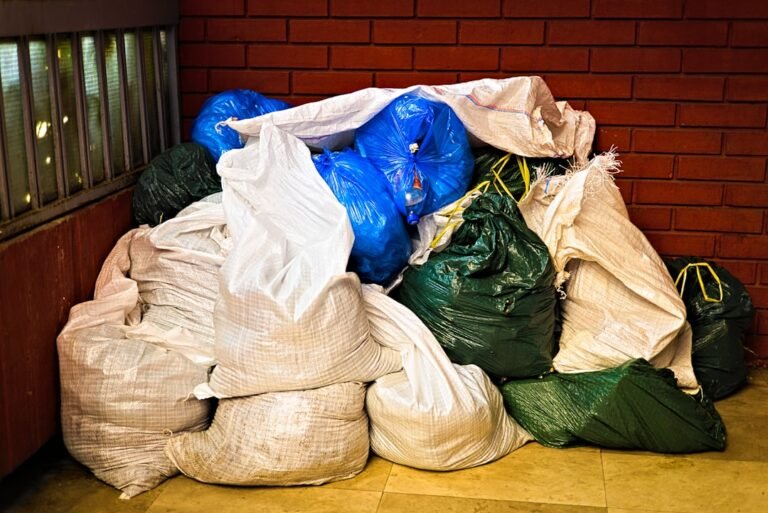
Let’s cut to the chase. Plastic waste chokes rivers. It buries coastlines. It kills wildlife. Worse? It breaks into microplastics that sneak into our food and water. Scary stuff.
Plastic pollution solutions are not a “maybe later” thing. They’re urgent. We need to rethink how we use, reuse and recycle packaging and products. A circular economy can turn today’s trash into tomorrow’s treasure. Sounds fancy, but it’s actually just smart design and responsible habits.
The Root Causes of Plastic Overload
- Single-use culture: We gulp coffee in plastic cups, use plastic straws for a minute, then toss them.
- Poor recycling systems: Mixed plastics, contamination and low demand make recycling a headache.
- Fossil fuel ties: Most plastics come from oil. Cheap to make. Cheap to dump.
- Lack of alternatives: Consumers and businesses often default to plastic because it’s familiar and cheap.
We’ve all heard the stats. Yet solutions exist. We just need to embrace them.
Circular Economy Principles to the Rescue
A circular economy flips the script:
- Design for durability and reuse
Think refillable containers. Modular packaging. - Choose renewable inputs
Swap plastic for bamboo, jute or other natural materials. - Keep materials in play
Repair, recycle, compost. Make sure nothing ends up in a landfill or ocean. - Regenerate ecosystems
Use processes that heal soil and reduce carbon.
These steps form the backbone of modern Plastic pollution solutions. They’re simple, but they take teamwork. Governments, businesses and you.
Why Bamboo and Jute Shine as Alternatives
Natural. Renewable. Biodegradable. Bamboo and jute tick all the boxes.
Bamboo: The Fast-Growing Champ
- Grows like crazy: Some species tower over a metre a day.
- Strong and flexible: Ideal for cutlery, straws, toothbrushes, even homeware.
- Minimal water: Needs far less than cotton or plastic production.
- Carbon sink: Helps pull CO₂ from the air.
Imagine sipping tea with a bamboo straw. No guilt. Just natural fibres that break down after use. That’s one of our top Plastic pollution solutions in action.
Jute: The Golden Fibre
- Local to many regions: Especially in India and Bangladesh.
- Highly compostable: Turns back into soil in months.
- Durable: Perfect for bags, packaging wraps and mats.
- Low-cost: Cheaper than synthetic alternatives in bulk.
Picture a jute tote. You carry groceries. Then toss it on a compost heap when it finally wears out. No microplastics. No toxic residue.
Real-World Examples: Beyond the Theory
You’ve read the principles. Now the proof in the pudding.
- Bamboo cutlery sets in cafés. Patrons wash and reuse them.
- Jute pouches replacing plastic sleeves for electronics.
- Compostable packaging for fresh produce.
- Upcycled bamboo homeware in stylish retail stores.
These aren’t niche. They’re growing trends. You can see jute and bamboo goods on supermarket shelves in Europe, India and beyond.
How Aegle Sriphal Drives Plastic Pollution Solutions
At Aegle Sriphal, we don’t just talk. We act. Our sustainable product initiative focuses on:
- 100% natural materials
Bamboo, jute and other plant-based fibres. - Eco-friendly production
Low-impact dyes. Water-efficient processes. - Innovative designs
From plantable pencils to modular homeware. - Community engagement
Workshops, social media campaigns and partnerships.
Plus, for SMEs hungry to share their green journey, there’s Maggie’s AutoBlog—our AI-powered platform that automatically generates SEO and GEO-targeted content. It’s one of the cleverest Plastic pollution solutions in the digital space. You get high-quality blog posts that highlight your sustainability efforts, so your customers see how you’re tackling plastic waste head-on.
SMEs: Your Role in Plastic Pollution Solutions
Small and medium enterprises have power. Real power. You can:
- Source bamboo or jute packaging.
- Partner with local artisans to boost circular jobs.
- Educate customers with clear labels and tips on composting.
Every switch matters. A jute mailer here. A bamboo toothbrush there. It all adds up.
Overcoming Common Hurdles
- Cost concerns? Yes, natural materials can cost more. But economies of scale kick in as demand rises.
- Supply chain doubts? Work with trusted suppliers. Verify certifications.
- Consumer habits? Offer clear incentives: discounts for returns, loyalty points for reuse.
Plastic pollution solutions aren’t one-size-fits-all. They require creativity and collaboration. But the rewards—a cleaner planet and a loyal customer base—are worth it.
Looking Ahead: Scaling Circular Practices
As more businesses adopt circular models, costs drop and infrastructure improves. Picture:
- Industry-wide jute collection hubs.
- Bamboo factories powered by solar.
- Automated composting bins in city centres.
These aren’t sci-fi dreams. They’re the next wave of Plastic pollution solutions. And you can ride it.
Your Next Steps
Ready to ditch plastic for good? Here’s how:
- Audit your packaging: Identify high-pollution items.
- Switch to bamboo or jute: Start small—test kits, sample runs.
- Engage your customers: Share your story online and in-store.
- Leverage Maggie’s AutoBlog: Automate your sustainability content.
Every action compounds. Together, we build a circular economy that nips plastic pollution in the bud.
Join the Movement
Let’s make plastic waste a distant memory. Businesses, communities, individuals—we all have a part. Aegle Sriphal is here to help with real tools and real products. No greenwashing. Just honest, effective Plastic pollution solutions.